Herons are tall, long-legged wading birds with a slow, deliberate posture and a thick, spear-like bill. The one you're most likely to see in North America is the Great Blue Heron, which stands about 4 feet tall, has a blue-gray body, a long orange-yellow bill, and a distinctive black stripe running back from the eye into a trailing head plume. In flight, every heron folds its neck into a tight S-shape and lets its legs trail well past the tail, which is the single fastest way to confirm you're looking at a heron and not something else. If you're also wondering what a seahawk bird looks like, focus on its overall shape, flight posture, and key facial and body markings to separate it from similar birds what does a seahawk bird look like.
What Does a Heron Bird Look Like? ID Guide and Look-Alikes

Marcus Whitley
30 Apr 2026
Quick silhouette ID: how to spot a heron at a glance
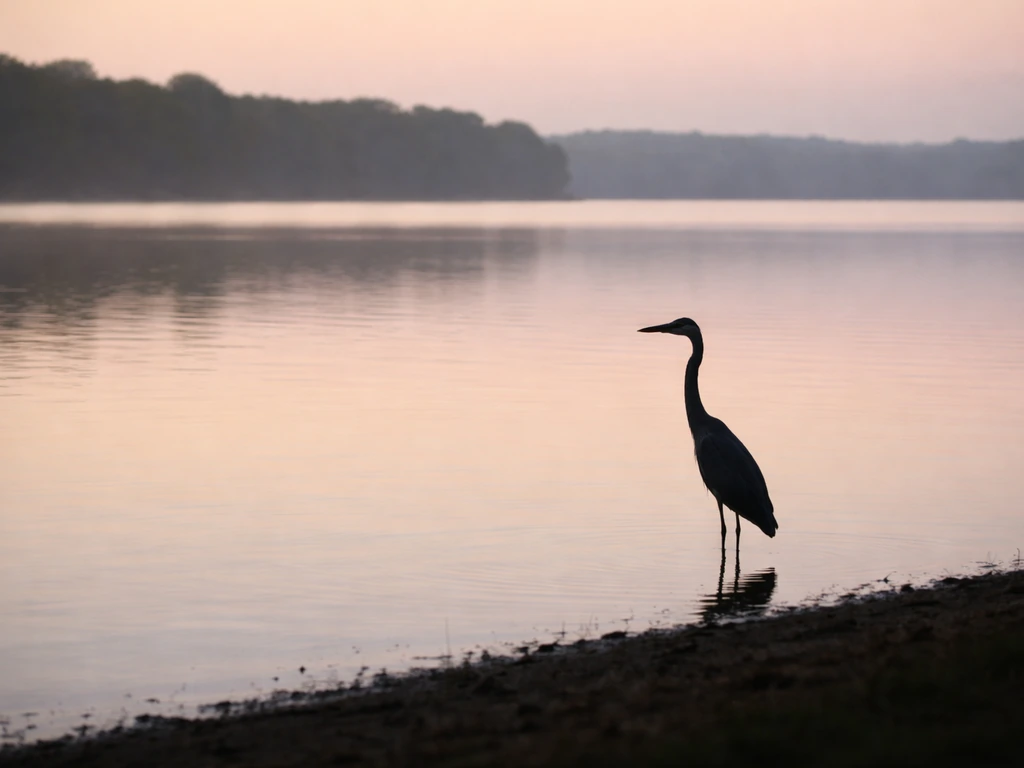
You can usually call a heron from a distance before you see any color at all. Look for a very tall, very still bird standing at the edge of water, with long legs, a long neck that often seems to disappear into its shoulders, and a posture that reads as patient and statue-like. When it moves, it does so slowly and deliberately. When it flies, the wingbeats are slow and heavy, the neck pulls back into that tight S-curve, and the legs stick out behind like a rudder. That combination, tall standing silhouette plus folded-neck flight, is unlike almost any other bird you'll see near water.
The S-curve neck in flight is your single most reliable at-a-glance marker. Cranes, which look superficially similar on the ground, fly with their necks stretched straight forward. Herons always tuck theirs back. Once you know that, you'll never mix them up again.
Key heron features: neck, head and face, beak, legs
The neck
A heron's neck is long and sinuous, and it's one of the most behaviorally interesting things about the bird. When a heron is relaxed or hunting, it often coils the neck back so the head sits close to the body, giving the bird a hunched, compact look that can make you underestimate how big it really is. Then, when it strikes at a fish, that neck uncoils like a spring and snaps forward in a fraction of a second. You'll sometimes see a heron standing with the neck fully extended upward when it's alert, and that's when you really appreciate how long it is.
Head and face
On a Great Blue Heron, look for a white face with a bold black stripe running from just above the eye all the way back to long, wispy black plumes that trail off the back of the head. The crown is black, which contrasts sharply with the white face. The overall effect is a bird that looks a bit like it's wearing a black and white mask. During breeding season, those head plumes get even more elaborate.
The beak
Think of a heron's bill as a dagger, not a probe. It's thick at the base, long, pointed, and built for stabbing fish rather than picking insects out of bark. On a Great Blue Heron, the bill is a warm orange-yellow, though it can look more yellow or more orange depending on the light and the season. The bill's weight and thickness is a good differentiator from smaller white egrets, which tend to have slimmer, more delicate-looking bills.
Legs
Herons have very long legs that are typically a dark grayish or brownish color on the Great Blue Heron. The legs let them wade into deeper water than most shorebirds, and you'll often see them standing knee-deep (well, knee-equivalent-deep) in still water, barely moving for minutes at a time. Leg color is actually a really useful field marker when you're trying to separate white herons from each other, which we'll cover below.
Color patterns and typical markings, including what white herons look like
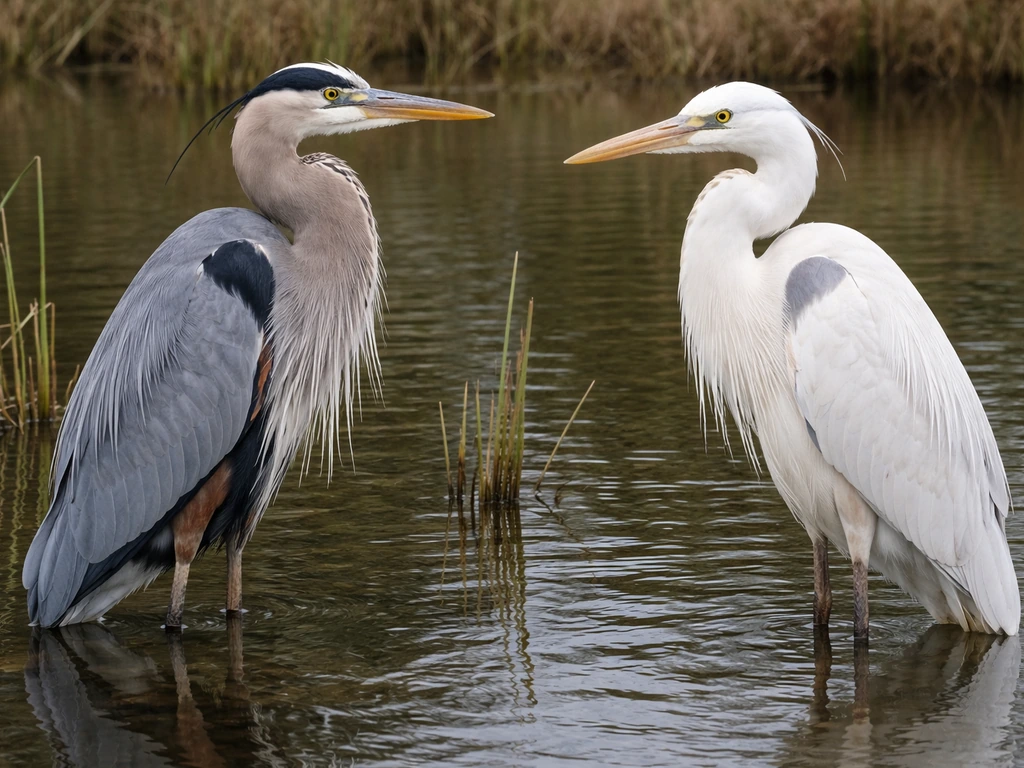
The typical Great Blue Heron is blue-gray overall with a rusty-orange wash on the neck and thighs, a white face, a black crown, and those trailing black head plumes. The back and wings are blue-gray, and the shoulder area often shows some darker streaking. It's a subtly beautiful bird up close, even if it looks just gray from a distance.
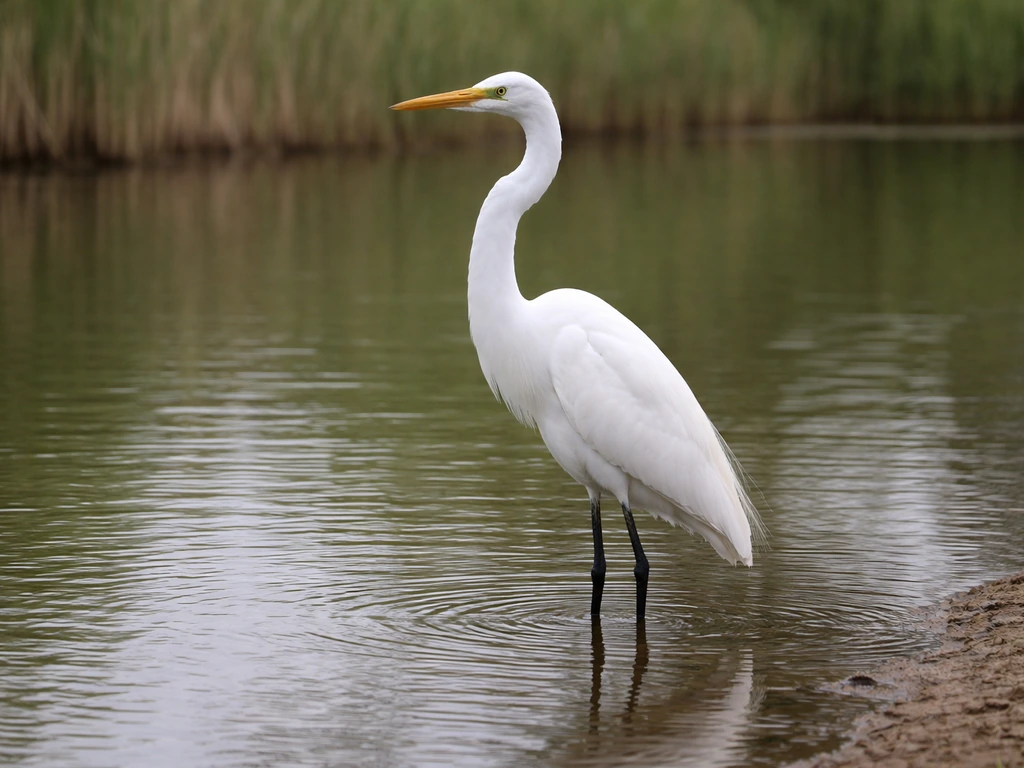
But not all herons look like that. If you meant a herring bird and are wondering about its appearance, check the details on what does a herring bird look like. In southern Florida, you can encounter what's called the Great White Heron, which is actually a color form of the Great Blue Heron, not a separate species. This bird is all white with a long yellow bill and pale yellowish legs. It's big, it has the same heavy build and dagger bill as a regular Great Blue Heron, but it's entirely white. Another intermediate form called Würdemann's Heron has a grayish body but a mostly white head and neck, which makes it look like a Great Blue Heron whose head forgot to develop its normal colors.
When you're staring at a large white bird near water and wondering if it's a heron, the key things to check are bill thickness and leg color. A Great White Heron form has a thick, heavy yellow bill and dull yellowish legs. It also lacks the wispy head plumes you'd see on a Great Egret in breeding season. Size matters too: the Great White Heron form is among the largest white wading birds you'll encounter.
Compare to common heron look-alikes and how to tell them apart
Several birds get confused with herons regularly, especially the white ones. Here's how the most common mix-ups play out and what to look for to separate them.
| Bird | Size | Bill | Leg color | Key difference from heron |
|---|---|---|---|---|
| Great Blue Heron | Very large (4 ft tall) | Thick, orange-yellow dagger | Dark gray | This is the reference bird |
| Great Egret | Large, but slimmer | Long, slender yellow bill | Black | Slimmer build, all white, black legs |
| Snowy Egret | Medium-small | Thin black bill, yellow base | Black with yellow feet | Much smaller, yellow feet are a giveaway |
| Cattle Egret | Small | Short, stubby orange-yellow bill | Pale/dull yellow | Much shorter neck and bill, stockier build |
| Sandhill Crane | Large | Long, pointed, grayish | Dark | Flies with neck outstretched, red forehead cap |
| Whooping Crane | Very large | Long, pointed, grayish | Dark | Flies with neck straight, white with black wingtips |
Herons vs. Great Egrets
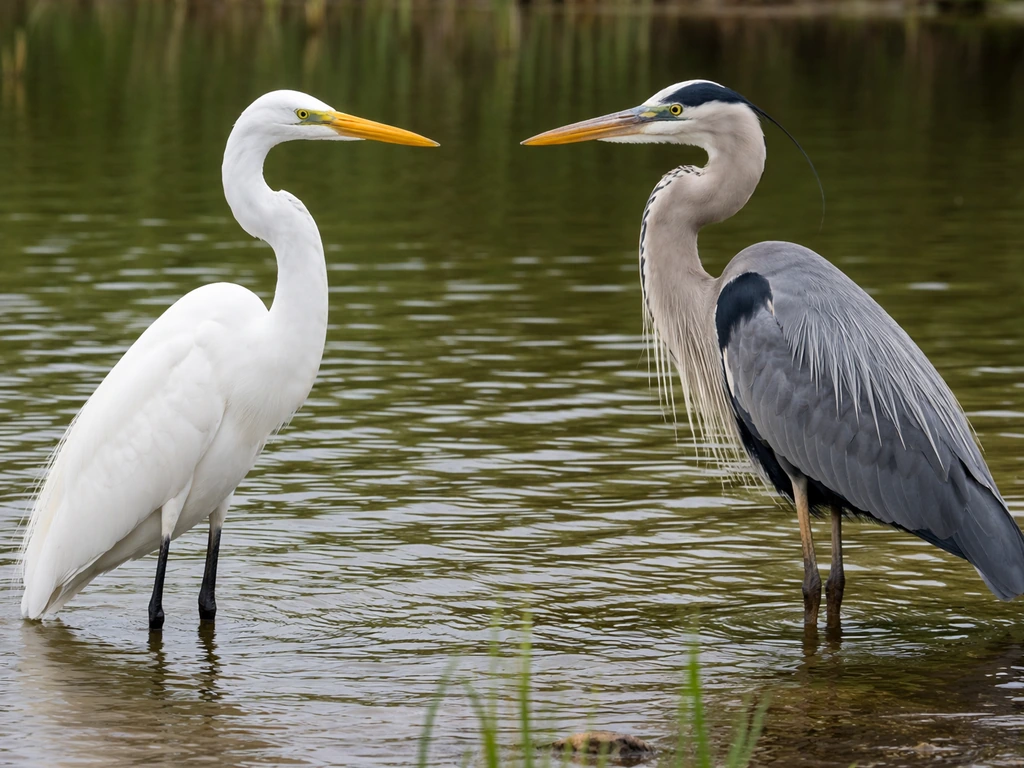
Great Egrets are large, all-white birds with long yellow bills and black legs, and they're the most common bird confused with the white form of the Great Blue Heron. The clearest separator is leg color: a Great Egret always has black legs, while the Great White Heron form has pale yellowish legs. Great Egrets also have a slimmer, more elegant build, and in breeding season they grow long, wispy back plumes (called aigrettes) that trail behind them. The heron form tends to look heavier and more substantial side by side.
Herons vs. Snowy Egrets
Snowy Egrets are much smaller and have a distinctly slim, delicate black bill rather than the thick dagger of a heron. Their most famous field mark is their bright yellow feet on black legs, which can look almost fluorescent in good light. If you're close enough to see yellow feet, you're looking at a Snowy Egret, not any kind of heron.
Herons vs. Cranes
On the ground, a Sandhill Crane can look superficially similar to a Great Blue Heron: both are tall, gray, and long-legged. The big separators are the red patch on a crane's forehead and the behavior in flight. Cranes fly with their necks fully extended straight in front of them, while herons always fold the neck back. A crane in flight looks like it's trying to point at something on the horizon. A heron in flight looks like it's trying to tuck its head under a pillow. That difference alone is definitive.
Field checklist and step-by-step narrowing method
When you spot a tall wading bird and want to confirm it's a heron, work through these observations in order. You don't need all of them, most herons will be obvious by step three.
- Check the neck in flight: is it folded into an S-curve? If yes, it's a heron or egret, not a crane.
- Estimate the size: Great Blue Herons are very large (roughly the size of a tall dog). Smaller birds with similar shapes are likely egrets.
- Look at the bill: is it thick and dagger-like? Herons have heavier bills than egrets of similar size.
- Check the bill color: orange-yellow on a Great Blue Heron, yellow on a Great Egret, black on a Snowy Egret.
- Look at the leg color: dark gray or reddish-brown on a typical Great Blue Heron, black on Great and Snowy Egrets, pale yellow on a Great White Heron form.
- For white birds specifically: check for yellow feet (Snowy Egret), leg color (black vs. pale yellow), and bill thickness to sort between Great Egret, Snowy Egret, and Great White Heron.
- Check the head: does the bird have a black crown and trailing head plumes? That's a Great Blue Heron. An all-white bird with no head plumes fits the Great White Heron form or Great Egret.
Keep this checklist in mind when you're also trying to distinguish herons from similar large birds like hawks or falcons, which share the same airspace but have completely different wing shapes and flight styles. If you’re asking what a hawk bird looks like, focus on wing shape, tail shape, and the overall flight style you see overhead. If you're wondering what a falcon bird looks like, focus on its shape and flight style, which are very different from a heron's hawks or falcons. A heron's broad, rounded wings and slow wingbeats look nothing like a hawk's more tapered, powerful silhouette.
Photo and observation tips for confirming the ID
Herons are actually cooperative subjects for observation and photography. They move slowly, stand still for long stretches, and tend to stay in the same general area if you don't spook them. A few habits will help you confirm your ID.
- Approach slowly and at an angle, not directly head-on. Herons are wary and will flush if you walk straight at them. Moving at an oblique angle feels less threatening to them.
- Get the light on the right side: morning and late afternoon light from behind you will bring out the blue-gray tones on a Great Blue Heron and make the bill color obvious. Midday overhead light washes everything out.
- Wait for the bird to move its neck: when a heron fully extends its neck upward or stretches it out to strike, you'll see the full length and shape clearly, which makes identification much easier than when it's all hunched up.
- Photograph the legs and feet: leg and foot color is one of the most useful separators between white wading birds, and a quick photo of the lower legs will settle arguments about whether you're looking at a Great Egret or a Great White Heron form.
- Note the habitat: Great Blue Herons use almost every type of water habitat, from freshwater marshes to saltwater bays and even garden ponds. Great White Heron forms are almost exclusively coastal and are concentrated in southern Florida.
- Watch the flight departure: if the bird takes off, note whether the neck folds back immediately. That S-curve confirmation is the quickest way to lock in 'heron' versus 'crane' without needing to see any color detail at all.
Once you've got the Great Blue Heron dialed in, you'll find that other large wading birds start making much more sense too. The visual logic of neck posture, bill weight, and leg color applies across the whole family, so identifying the next heron or egret you encounter gets faster every time.
FAQ
What does a heron bird look like from far away?
Not always. Herons can look gray, especially from far away or in overcast light, so rely on structure (very tall, long-legged silhouette), neck posture (S-curve in flight), and bill thickness rather than assuming color will be obvious.
How can I tell a heron from an egret when they are both white?
Great Blue Herons have a thick, spear-like bill, and the difference shows most clearly in side view. Small egrets often look like they have a slimmer, more delicate bill, even when both birds are white and about the same size.
Do herons look different from shorebirds, or can they be mistaken for them?
Watch the legs and the stance. Herons tend to wade deeper and stand very still near the waterline, sometimes with legs appearing dark grayish or brownish. Many shorebirds keep a lower profile and do more quick probing than patient, statuesque standing.
If I only catch a glimpse while it flies, what is the fastest way to confirm it is a heron?
Yes. If you see a long, folded-neck S-curve flight with legs trailing well past the tail, that is a strong heron cue. In contrast, crane necks stay straight forward, so a crane often looks like it is aiming its head ahead.
Why does a heron sometimes look like it has a short neck?
Yes, and the behavior helps. When a heron is relaxed or preparing to strike, the neck can look coiled and the bird may appear more compact. When hunting, the neck uncoils quickly and the head shoots forward, making the “spring-loaded” look a major field clue.
Will a Great Blue Heron’s markings change in breeding season?
Season and lighting can change what you notice, but the overall pattern usually holds. Great Blue Herons keep the black crown and the bold stripe leading back from the eye, while the head plumes can look more elaborate during breeding season.
How do I tell a Great White Heron from a Great Egret during breeding season?
Look for the head-plume detail and the leg color difference. The Great White Heron form is all white with pale yellowish legs and a thick yellow bill, while Great Egrets have black legs and slimmer body proportions, plus breeding plumes (aigrettes) on the back.
Can a Snowy Egret be mistaken for a heron?
Yes, size and bill shape matter. Snowy Egrets are smaller and have a distinctly slimmer black bill, and they show bright yellow feet. If the feet are clearly yellow, that typically points to a Snowy Egret, not a heron.
If it is all white, how can I tell whether it is a Great White Heron or a regular Great Blue Heron?
The thick bill is the easiest “shape” cue, and the leg color helps too. A Great White Heron form has a heavy yellow bill and dull yellowish legs, while Great Blue Herons keep a blue-gray body with a rusty-orange wash on the neck and thighs and darker legs.
What quick checklist should I use if I’m unsure what bird I’m looking at?
If you are seeing something that looks like a heron but you are not sure, prioritize three checks in this order: S-curve neck and trailing legs in flight, thick dagger-like bill in profile, and leg color and body build when standing near water.
Next Articles
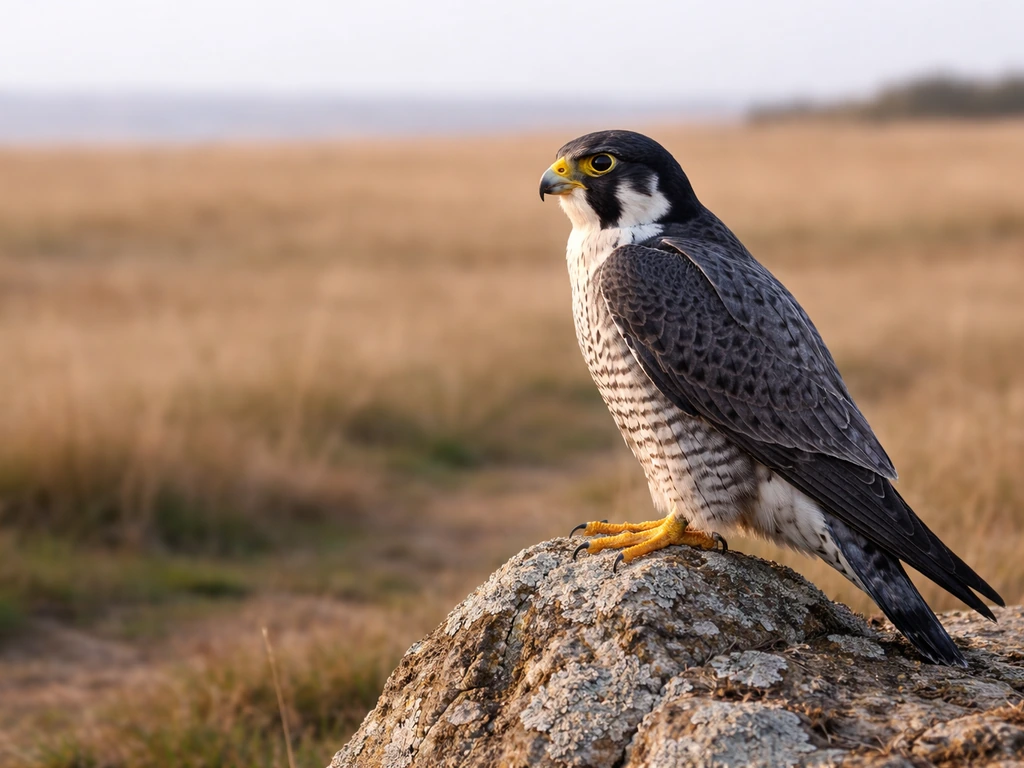
What Does a Falcon Bird Look Like? Field Guide to Key Traits
Learn the classic falcon silhouette, plumage, head and tail patterns, plus flight cues and lookalike tips to ID species.
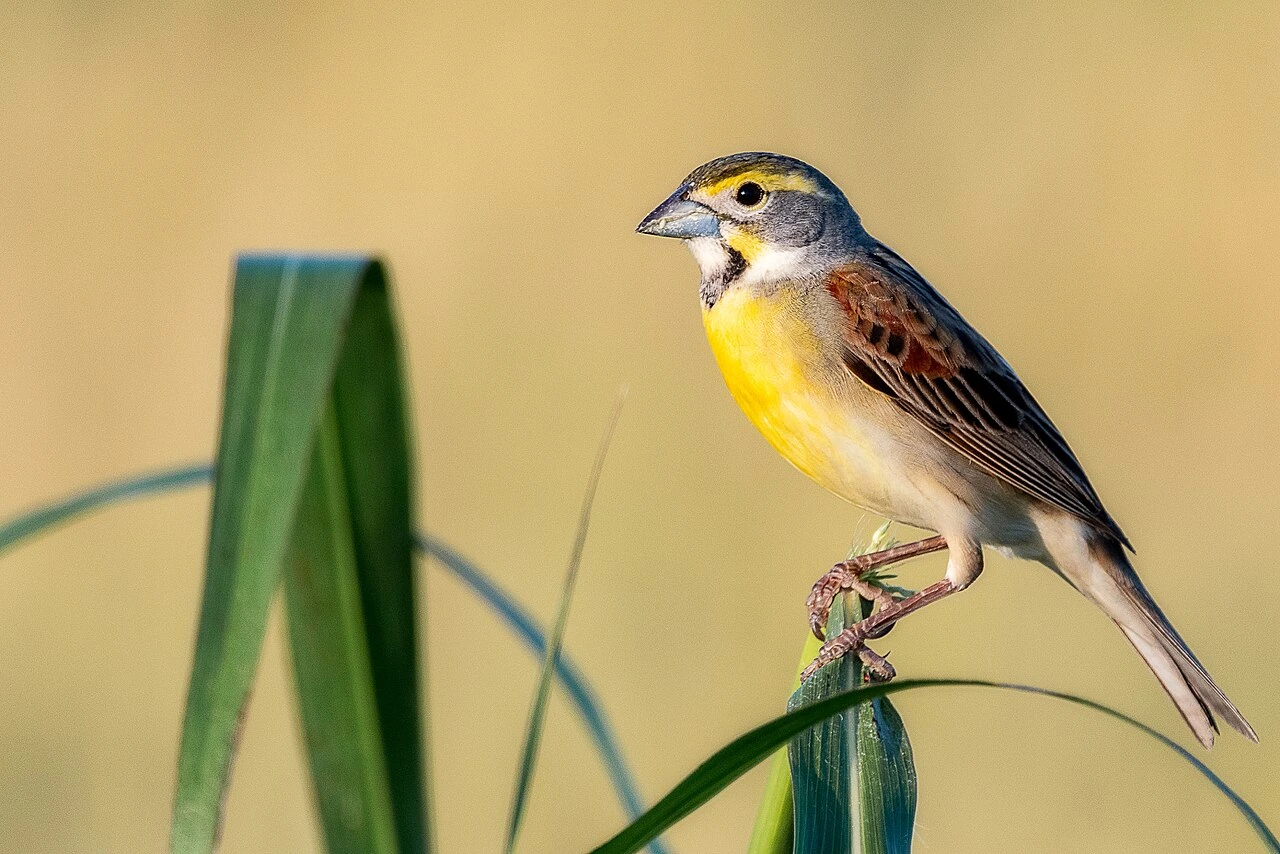
What Does a Cardinal Bird Look Like? Key Features Guide
Learn key features to spot a cardinal bird: color, crest, bill, wings, tail, and look-alikes for fast ID.
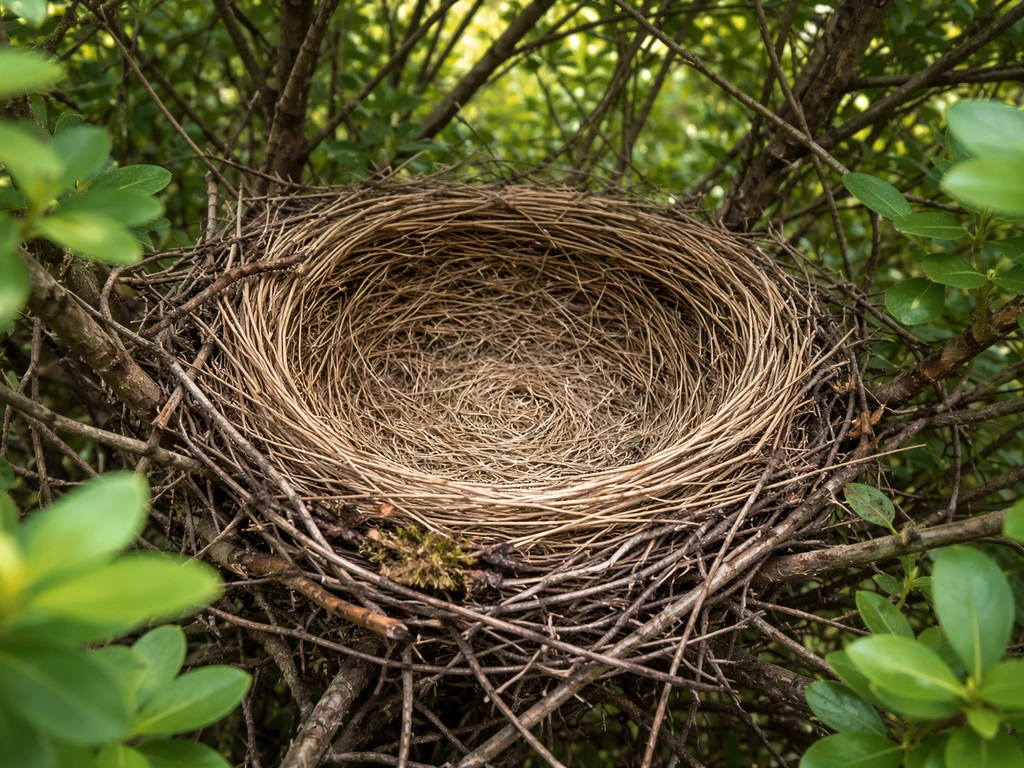
What Does a Cardinal Bird Nest Look Like? ID Guide
Identify a cardinal nest by its cup shape, size, materials, texture, and location, plus look-alike tips and safe observi