First things first: these aren't real birds
If you landed here from a bird identification search, you're in the right place for a quick detour. The "Bird Box monsters" have nothing to do with actual birds or birdwatching. Bird Box is a 2018 Netflix horror film (based on Josh Malerman's 2014 novel) in which unseen creatures cause people to go violently mad upon sight.
This article is purely about those fictional creatures and what they look like, or more accurately, what they were designed to look like. If you're after real bird identification, topics like what does the world look like to a bird or what a bird skull looks like are much more your speed.
If you want that real-world perspective, see what the world looks like to a bird and how their vision differs from ours what does the world look like to a bird. But if you're here for the monster details, read on.
The core answer: you can't really "see" them in the film
Here's the thing that trips most people up: in the finished movie, the monsters are never shown on screen in a clear, identifiable form. That's a deliberate creative decision. The whole point of Bird Box is that seeing the creatures drives people insane, so the film keeps them off-camera entirely. What you actually witness is wind moving through trees, people reacting in horror, and a general atmosphere of dread. The monsters are communicated through presence and reaction, not through a visible body. So if you've watched the film looking for a clear monster design and come away confused, that's intentional, not a gap in your attention.
What the creature designs actually look like (the concept versions)
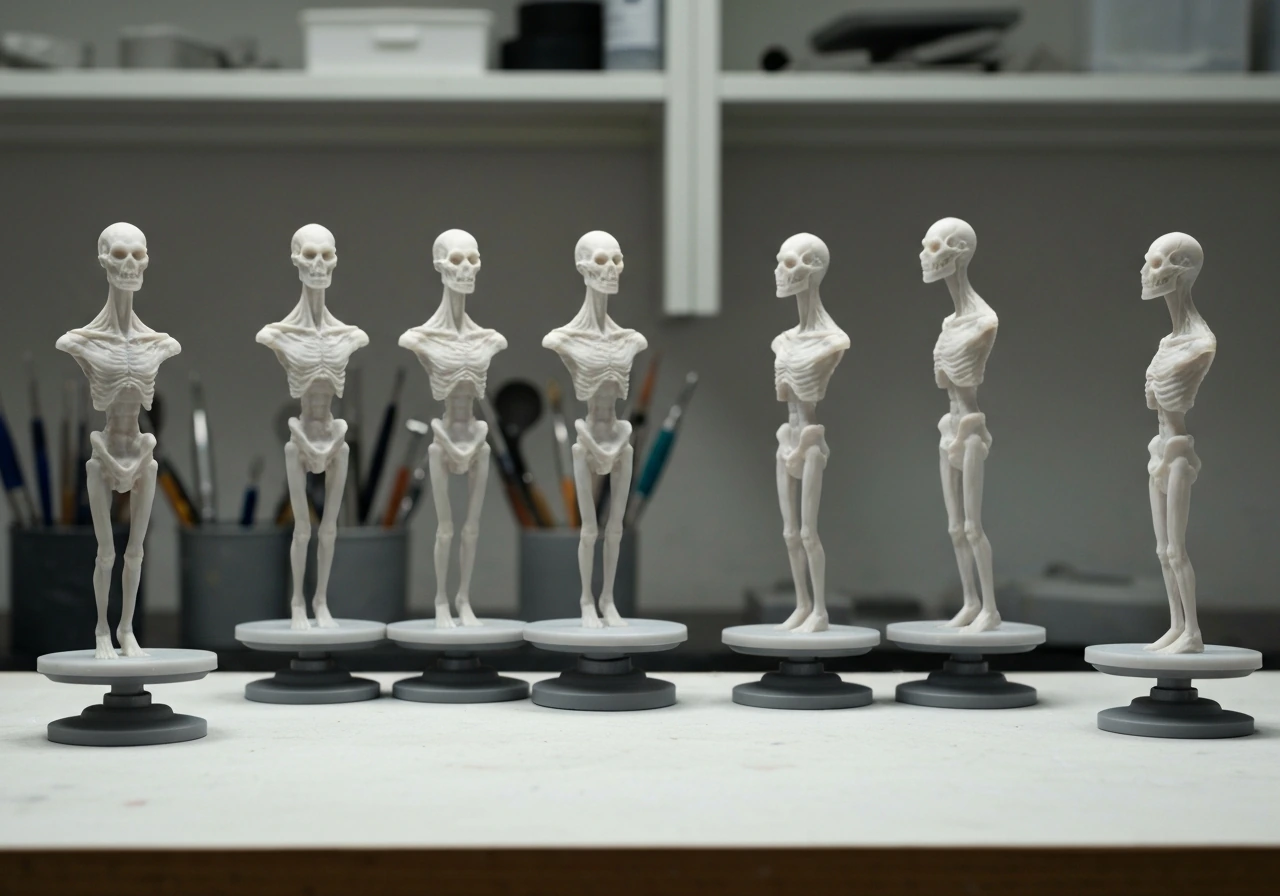
During production, the visual effects team and creature designers did create physical concept designs and sculpts for the monsters. Special effects artist blank" rel="noopener noreferrer">Andy Bergholtz shared photos of scrapped Bird Box monster designs, describing them as a twisted, demonic baby creature originally planned for a nightmare sequence that was later cut. These were worked on seriously before the decision was made to cut them from the final film. Based on concept art and production stills that have circulated since the film's release, here's what the designed creatures look like. If you mean what the Bird Box monsters look like in concept art, the next section walks through the designed silhouette and overall form.
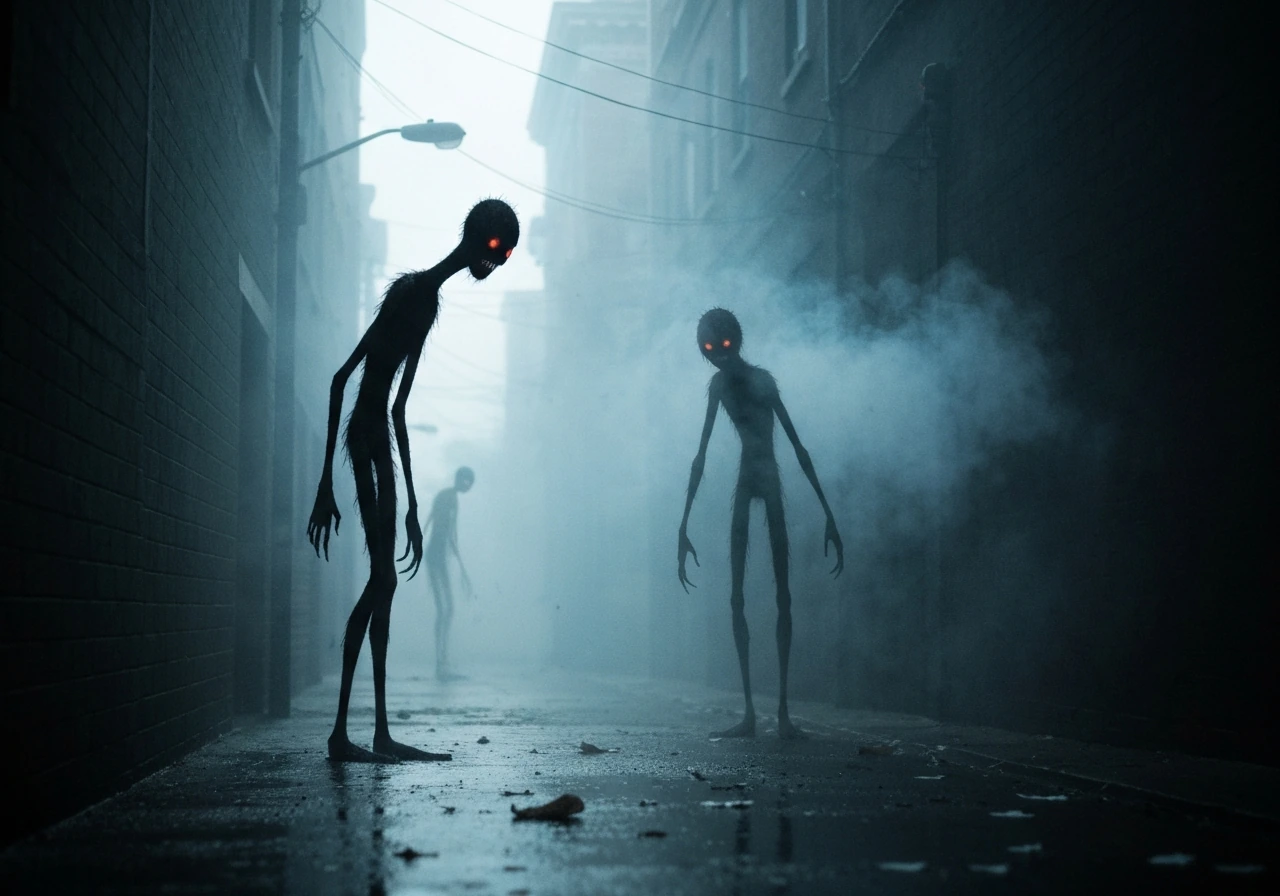
In terms of overall silhouette, think tall and lean rather than hulking. The creature designs tend toward a elongated, upright human-ish body shape, somewhat skeletal in proportion, with limbs that look slightly too long relative to the torso. The posture reads as hunched or fluid rather than rigidly upright, giving the impression of something that moves in an unsettling, organic way. There's no obvious animal analogy to anchor you here. It's not like a bear or a wolf. If you had to compare it to anything, think of the proportions of a very tall, thinned-out human figure, with features pushed just far enough from normal to feel deeply wrong.
Head, face, and the eye question
The head is where the designs get most striking, and also most deliberately obscure. In the concept versions, the face is not a face in any comforting sense. It's described in the original novel as having features submerged in dark liquid, with eyes that aren't eyes the way you'd recognize them.
The concept art leans into this, presenting a face with features that are present but wrong: sunken, asymmetrical, with eye-like cavities that sit in dark, wet-looking recesses rather than normal orbital sockets. The overall effect is of a face that has most of the expected parts but arranged and textured in ways that feel deeply misaligned. You might notice a flattened or elongated skull shape depending on which design iteration you're looking at.
If you want to know what a real bird skull looks like for identification, it helps to compare skull shape, beak attachment, and eye socket placement flattened or elongated skull shape.
Color, texture, and any distinguishing markings
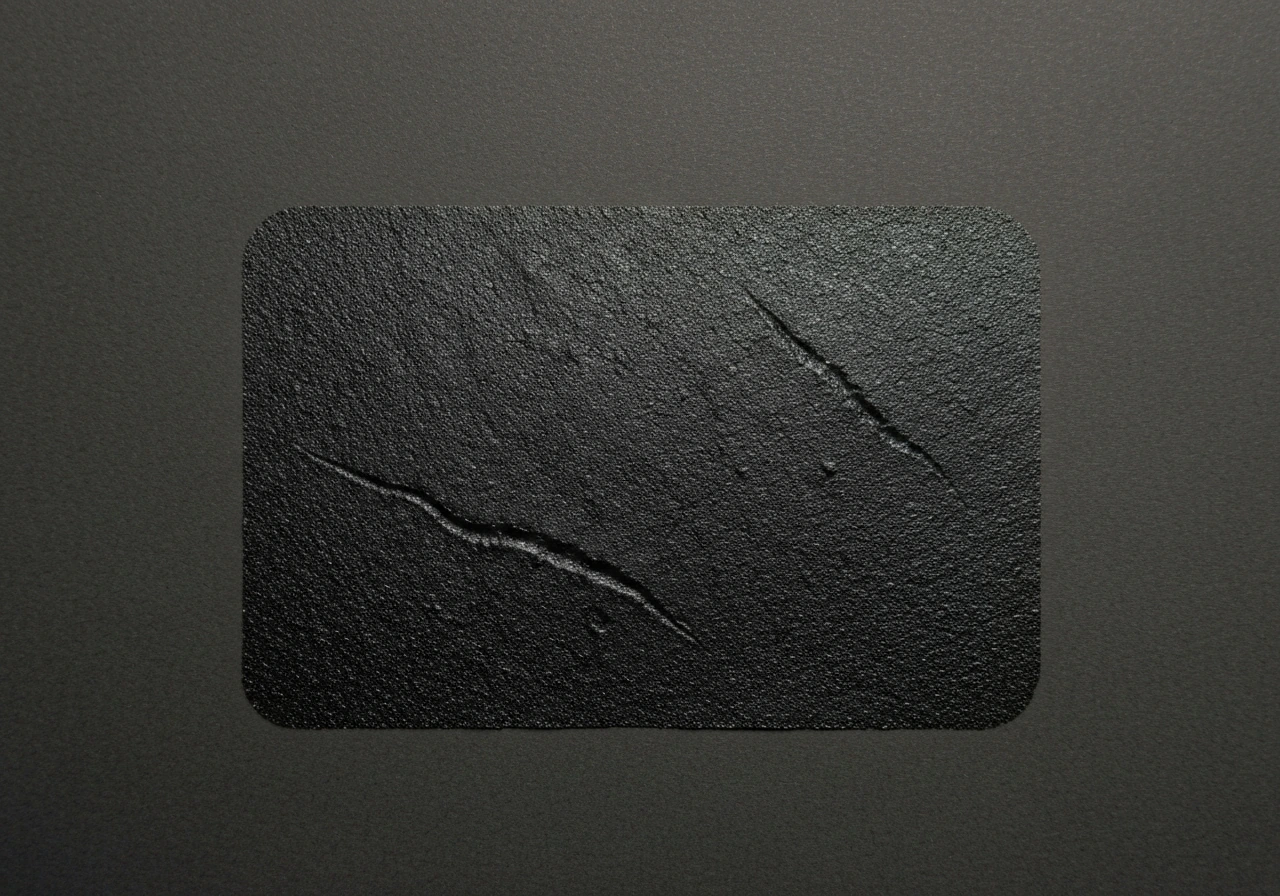
The novel's descriptions, which informed the creature design process, use the phrase "carbon-black flesh" to convey the creature's coloration. That's exactly what the concept designs reflect: a very dark, almost charcoal or matte-black skin or surface, without any obvious patterning or markings. This isn't a glossy black like a raven's wing or a grackle's iridescent sheen. It's flat and absorptive, the kind of coloring that makes it hard to read surface detail even in good light. The texture reads as organic rather than scaled or feathered, somewhere between slick and rough depending on which design you're looking at. There are no obvious stripes, spots, or contrasting patches.
One monster or several? Singular vs. plural design differences
In both the film and novel, there are multiple creatures, not just one. They're referred to in the book as "hollows. " The film suggests several are present throughout the story without ever clearly showing any of them. From a design standpoint, the production created more than one creature variation, with slightly different proportions and facial configurations across iterations.
These weren't wildly different from each other but rather variations on the same general concept, the way different specimens of the same species might look slightly distinct without breaking the overall type. The core look (tall, dark, wrong-faced, elongated) is consistent across all the designs. So there isn't one definitive "the monster" reference image, but the family resemblance is strong enough that all versions read as the same kind of entity.
Quick visual reference checklist
If you're looking at concept images online and want to confirm you're seeing the actual Bird Box creature designs (rather than fan art or something unrelated), here's what to look for.
- Overall body shape: tall and elongated, with a lean or skeletal build and slightly-too-long limbs
- Posture: fluid or hunched, not rigidly upright, giving a sense of organic, unsettling movement
- Skin coloration: flat carbon-black or very dark charcoal, matte rather than shiny or iridescent
- Texture: smooth-to-rough organic skin, no scales, feathers, fur, or obvious surface patterning
- Face/head: asymmetrical or distorted features, eye-like cavities set in dark recesses rather than normal eyes
- No clothing or accessories: these are creatures, not humanoid figures in costume
- Markings: essentially none, the darkness of the skin is the defining visual feature
Where to find reliable reference images today
Because the creatures never appear in the final film, you won't find useful screenshots by rewatching Bird Box on Netflix. The most reliable sources for actual visual reference are behind-the-scenes production coverage. Search for "Bird Box monster concept art" or "Bird Box creature design VFX" and look specifically for coverage from entertainment media outlets that published photos when the film's concept designs were revealed.
The artist who sculpted the creature designs shared images publicly, and those have been widely reproduced in entertainment news coverage. The phrase "Here's what the Bird Box monsters were supposed to look like" appears in several article headlines from around the film's 2018 release and will lead you directly to the clearest production stills and concept images available.
When comparing images across sources, use the checklist above to anchor what you're seeing. The lighting in most concept photos is intentionally dim, which can make surface texture hard to read. Focus first on overall body proportions and the head shape, since those are the most consistent and easiest to confirm across different angles and lighting conditions. If an image shows something colorful, scaled, or clearly monster-movie-generic, it's probably not an official design. The real concepts are notable precisely for being understated and unsettling rather than visually dramatic.
How this compares to other creature designs in the same story
It's worth noting that the Bird Box universe expanded with a sequel, Bird Box Barcelona (2023), which also kept the creatures largely unseen but added further context about how they affect people differently. ScreenRant explains that Bird Box Barcelona reveals additional clues about the creatures and the observer phenomenon, which can help clarify questions about “variants” when comparing the monsters across films added further context about how they affect people differently.
The core design philosophy remains the same: the horror lives in what you almost see rather than what you fully see. If you're comparing across the Bird Box franchise, you're comparing tone and presence more than distinct visual designs, since both films commit to the same approach of keeping the creatures out of direct view.
For readers of this site interested in creature-feature identification as a concept, think of it like trying to identify a bird you only ever hear but never clearly see: you build a picture from context clues and partial glimpses rather than a clean field guide photo.