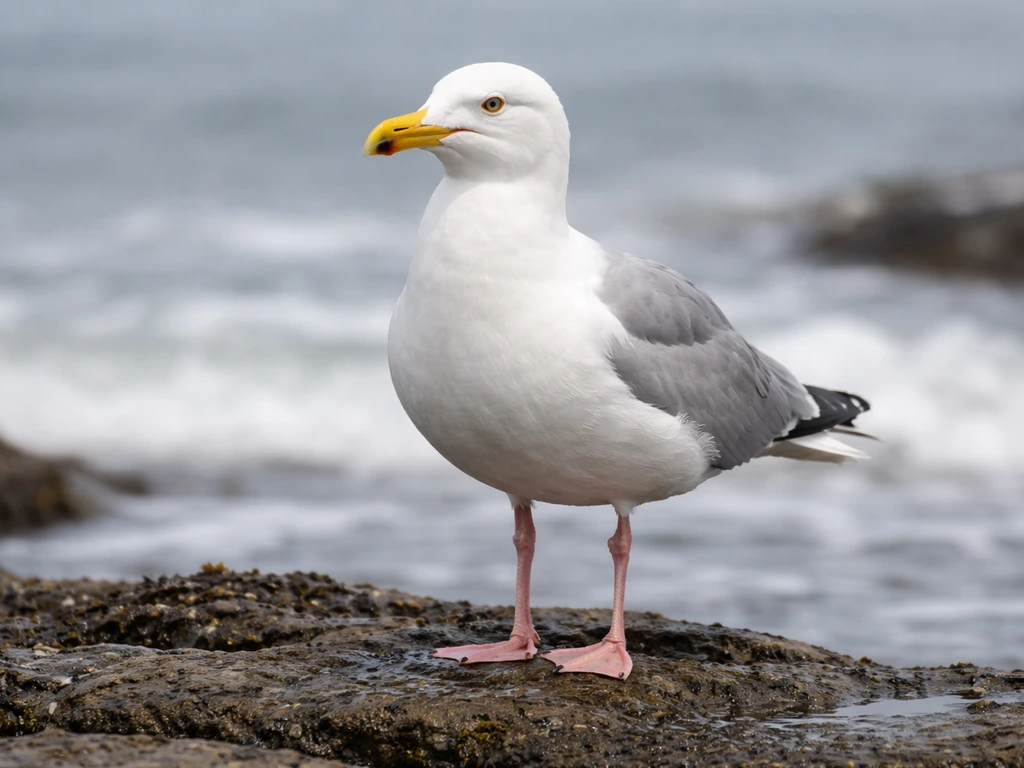
When people search for a 'herring bird,' they almost always mean the Herring Gull, one of the most common large gulls in North America and Europe. It's a big, barrel-chested bird with pale gray wings, a white body, pink legs, and a hefty yellow bill with a distinctive red dot near the tip. If you're standing near a beach, harbor, or parking lot and you see a large, confident gull with those pink legs and that red-spotted bill, you're almost certainly looking at a Herring Gull.
What Does a Herring Bird Look Like? Herring Gull ID Guide

Marcus Whitley
24 Jun 2026
First, let's sort out which 'herring bird' you mean
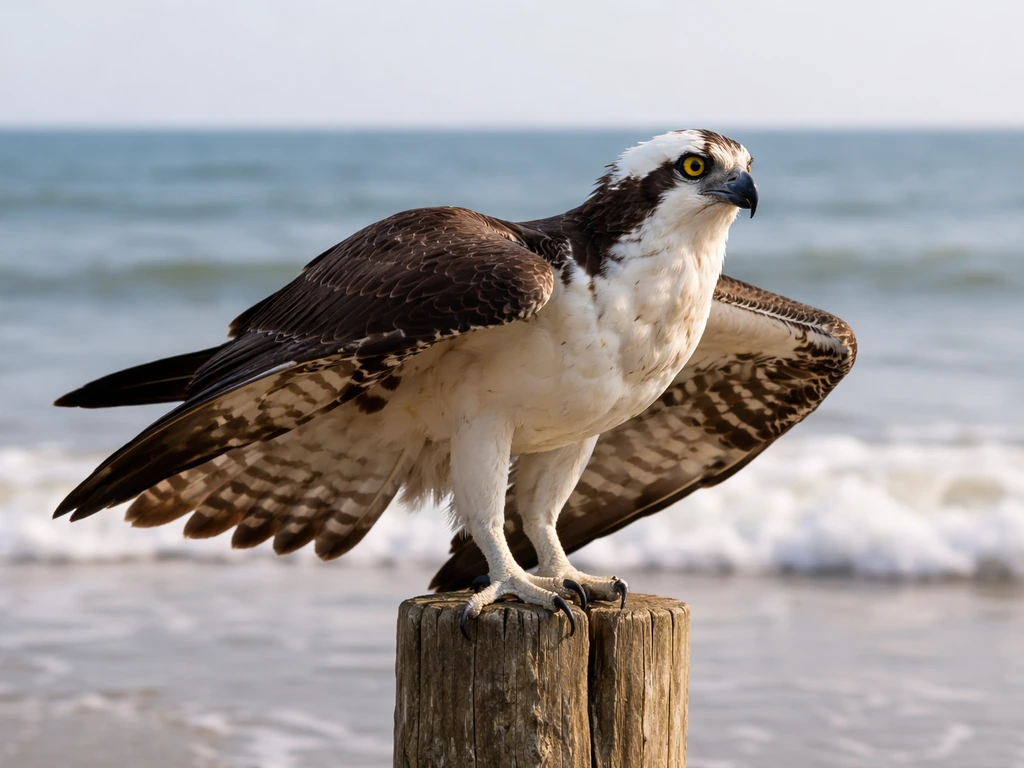
The name 'herring bird' isn't an official species name, which is part of why it can be confusing. It's a casual shorthand that most people use for the Herring Gull (Larus argentatus). Think of it the same way people say 'seagull' as a catch-all: technically imprecise, but everyone knows what you mean. If you meant a seahawk bird instead, you can use this same approach to compare shape and color, starting with what does a seahawk bird look like herring bird. The 'herring' part refers to the fish these gulls famously follow and scavenge, not to any formal classification.
There's also a naming wrinkle worth knowing about. The American Herring Gull (sometimes called Larus argentatus smithsonianus or the Smithsonian's Gull) is slightly different from the European Herring Gull, but for practical field ID purposes they share the same core look. If you're in North America, you're almost certainly looking at the American version. This article focuses on what you'll actually see in the field for both.
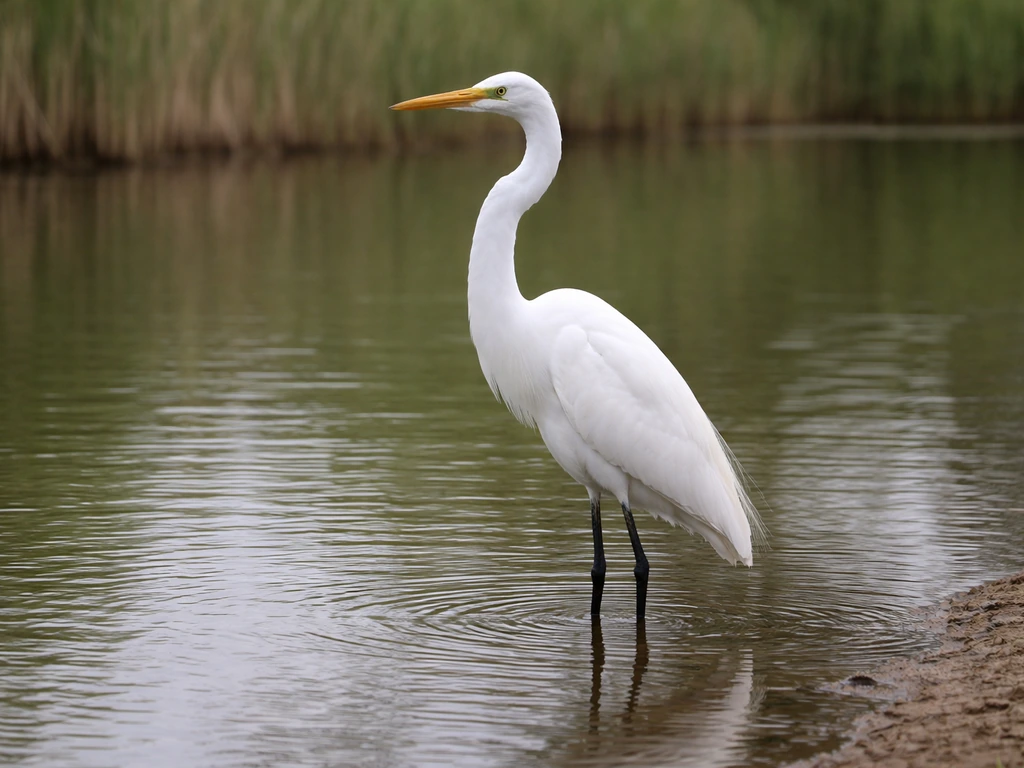
It's also worth noting that the Herring Gull is not related to herons, though the names can get muddled when spoken quickly. If someone mentioned a large wading bird with a long neck and dagger-like bill, that's a different species entirely. A blue heron is a different kind of bird, with its own distinctive blue-gray coloring and long neck what does a blue heron bird look like. The Herring Gull is a classic gull, built for coasts, docks, and opportunistic snacking.
Adult vs juvenile: what to look for at a glance
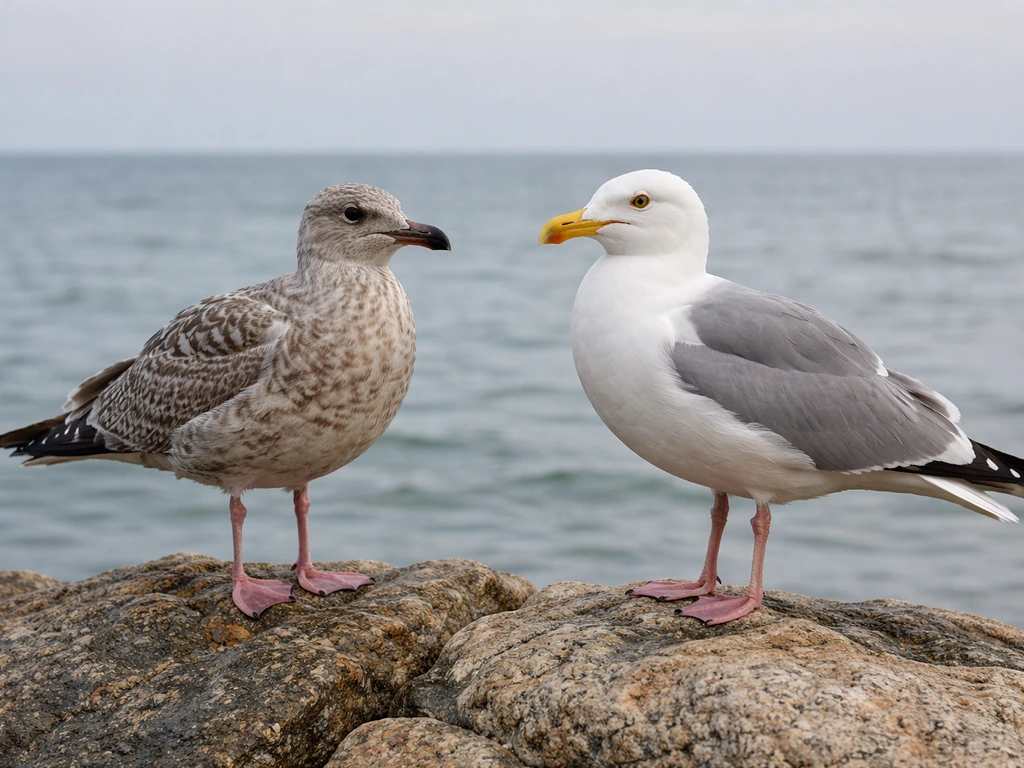
This is where a lot of people get thrown off. A young Herring Gull looks almost nothing like its parents, and it takes a full four years to reach the clean adult plumage most people recognize. When you see what looks like a totally different 'brown gull' hanging out with the white-and-gray adults, there's a good chance it's actually a young Herring Gull.
| Feature | Adult (4th year+) | Juvenile / First Winter | Third Winter (nearly adult) |
|---|---|---|---|
| Overall color | White body, pale gray back and wings | Mottled brown all over, darker than adults | Mostly gray back, patchy brown on wings and neck |
| Bill | Yellow with a bold red spot near the tip | Dark brown to black, all-dark | Yellow-ish with a dark band (looks like a ring) |
| Legs | Pink | Dull pinkish to brownish-pink | Pink, getting brighter |
| Wing tips | Black with white 'mirror' spots | Dark brown, no white mirror spots | Black wing tips, small mirrors starting to appear |
| Tail | White | Thick dark brown band across the tail | Mostly white with faint dark markings |
| Eyes | Pale yellow with an orange-yellow orbital ring | Dark brown | Pale, transitioning toward adult yellow |
The quick mental shortcut: if the bird is large, brown, and messy-looking with a dark tail band and all-dark bill, think 'young Herring Gull' before anything else. If it's large, clean white and gray with pink legs and a red-dotted bill, that's your adult. The in-between stages (second and third winter) mix those features in ways that can look genuinely confusing, but the size and those pink legs are consistent clues across all ages.
Key field marks: bill, head, wings, tail, and legs
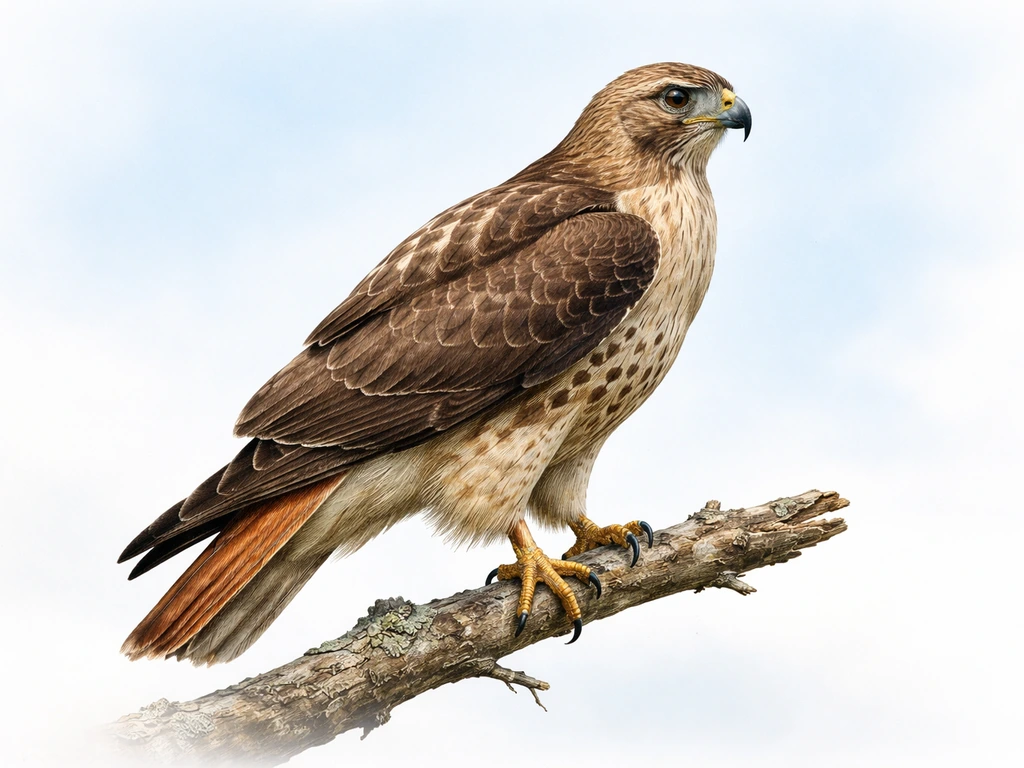
Once you know what to zoom in on, Herring Gulls become much easier to lock down. If you meant a raptor, a falcon bird typically has a more hooked beak and sleeker silhouette, so compare those features to what does a falcon bird look like. Here's a breakdown of each main feature and what you're looking for.
Bill
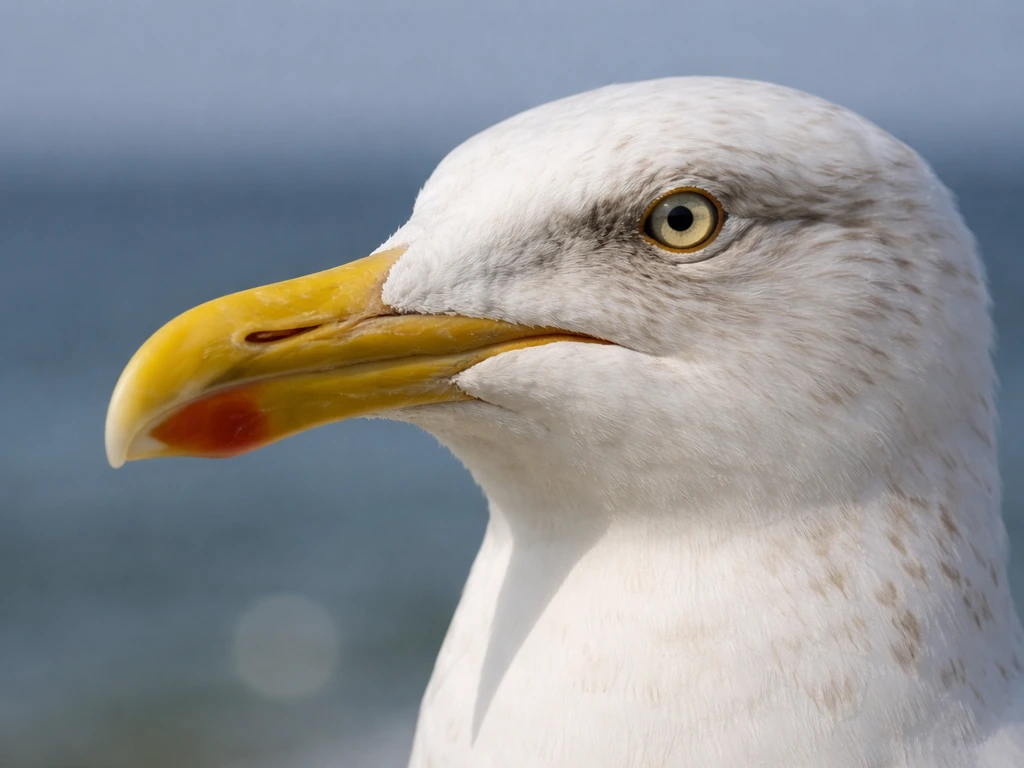
This is your single best field mark on an adult. The bill is large, yellow, and noticeably thick, especially compared to smaller gulls. Look for the red gonys spot: a red or orange-red dot on the lower mandible near the tip. It's bold enough to see without binoculars in good light. In winter, the colors can dull slightly, and the bill may develop a faint dark smudge, but the red spot is almost always visible. On juveniles, the bill is entirely dark brown to black, which looks nothing like the adult.
Head
Adults in breeding condition have a clean, pure white head. In winter (non-breeding), you'll notice brown streaking or smudging around the eye, ear area, and back of the head, giving it a slightly 'dirty' look. This seasonal streaking trips up a lot of people in photos taken in fall or winter. The eyes themselves are pale yellow, which gives the bird a sharp, slightly intense expression compared to darker-eyed gulls.
Wings and back
The back and upper wings (called the mantle) are a clean pale gray, similar in shade to a light overcast sky. At the wing tips, that gray transitions into black, and within that black you'll see one or two white spots called 'mirrors. Audubon Field Guide also notes that adult Herring Gulls have white spots in the black wingtips, plus pale eyes, pink legs, and a heavy bill that is yellow with a red spot white spots called 'mirrors'. ' These mirrors are a key adult feature and a good thing to look for in flight or when a gull stretches its wings. Juveniles have entirely dark brown wing tips with no mirrors at all.
Tail
On adults, the tail is solid white. On juveniles and first-winter birds, there's a broad, dark brown band across the tail, which you can often spot in flight as the bird banks or lands. This tail band is one of the fastest ways to age a gull at a distance.
Legs
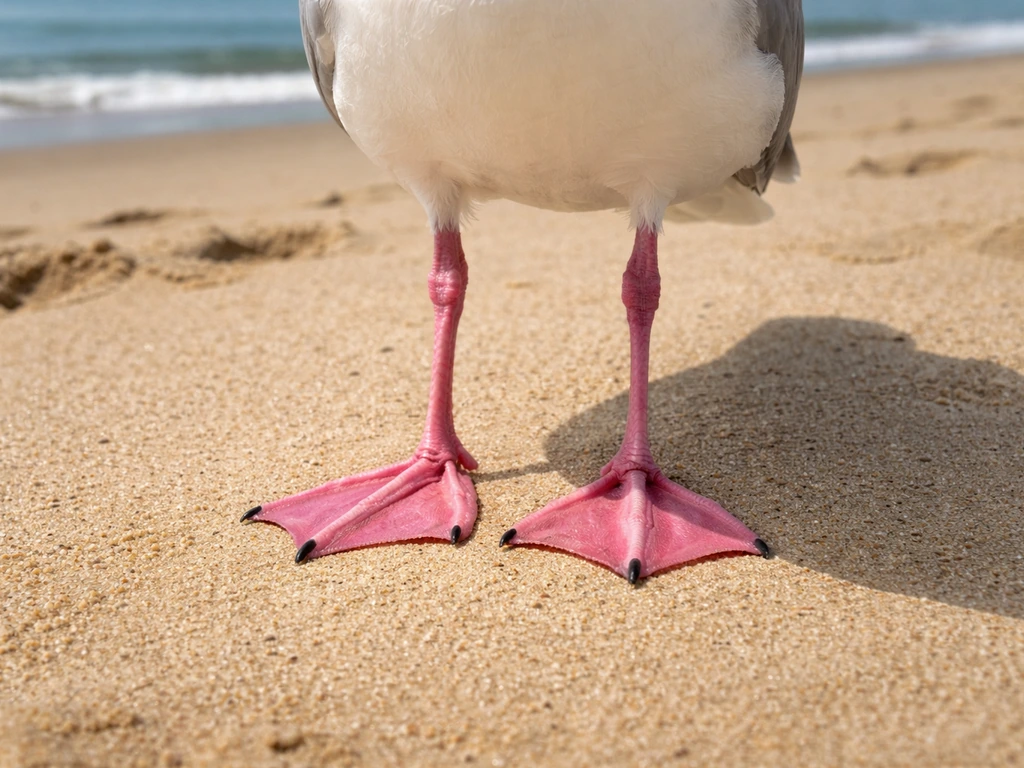
Pink legs, all the time, at every age. This is one of the most consistent features of the Herring Gull across its entire life. The shade can vary from a bright bubblegum pink on adults to a dull pinkish-flesh tone on young birds, but they are never yellow. This single detail separates Herring Gulls from several similar species at a glance.
How to tell it apart from similar gull species
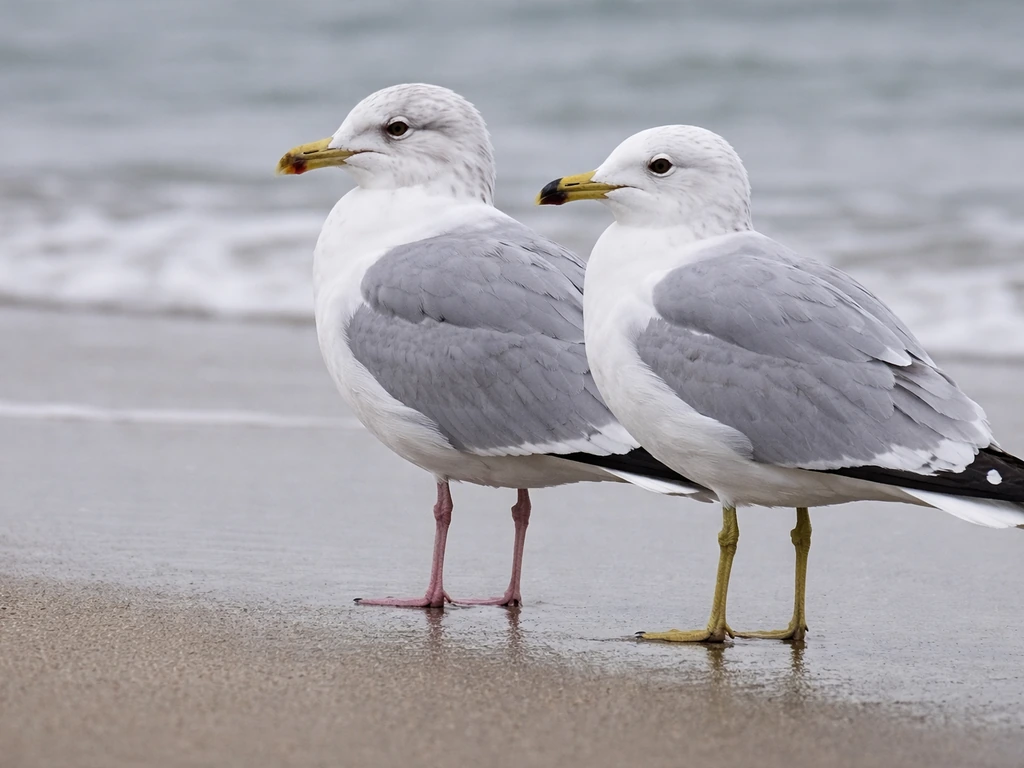
In coastal areas, especially in winter, you'll often see multiple gull species together. Here's how the Herring Gull compares to its most common lookalikes.
| Species | Size vs Herring Gull | Leg color | Bill | Back/mantle color | Wing tips |
|---|---|---|---|---|---|
| Herring Gull | Reference (large) | Pink | Yellow with red spot, thick | Pale gray | Black with white mirror spots |
| Ring-billed Gull | Smaller, slimmer | Yellow | Yellow with a black ring/band around it | Pale gray (similar) | Black with small white spots |
| Lesser Black-backed Gull | Similar size | Yellow | Yellow with red spot | Dark slate gray (much darker) | Black with white mirrors |
| Great Black-backed Gull | Larger | Pink | Yellow with red spot, very heavy | Near-black | Black with white mirrors |
| Common Gull (Mew Gull) | Smaller | Yellow-green | Yellow-green, no red spot, slimmer | Pale gray | Black with small white spots |
The Ring-billed Gull is the most frequent confusion species because it shares the pale gray back. The easiest split: look at the legs (yellow on Ring-billed, pink on Herring) and the bill (a complete black ring across the bill on Ring-billed, a red spot on Herring). Herring Gulls are also noticeably larger and more barrel-chested, almost bulky compared to the trim Ring-billed.
The Lesser Black-backed Gull is where back color really helps. Its mantle is a noticeably darker slate gray, sometimes looking almost charcoal compared to the Herring Gull's soft pale gray. The yellow legs are another quick split. The Great Black-backed Gull is easier because it's simply enormous and has a near-black back, but a large female Herring Gull can sometimes be confused with a small male Great Black-backed at distance, so always check back color carefully.
On the West Coast, separating smaller female Herring Gulls from Thayer's Gulls is a known challenge, coming down to the pattern in the wing tips: Herring Gulls show solid, bold black on the wing tips while Thayer's tends toward a more venetian-blind pattern with pale windows in the black.
Seasonal changes and why photos can look so different
If you've looked at multiple photos of Herring Gulls online and they seem to show different birds, you're not imagining it. There are a few things going on.
First, breeding versus non-breeding plumage. In spring and summer, adult Herring Gulls have a pure white head with no streaking. From roughly August through early spring, they develop brown streaking on the head and neck, particularly around the eyes and ear patch. This can make an adult bird look considerably 'dirtier' or even confusingly different in fall and winter photos.
Second, lighting and angle can dramatically affect how gray the mantle looks. In bright sunlight the back can look almost white; in overcast or low light it reads as a more obvious gray. A bird banking away from you will also show mostly black wing tips, which can make a pale-mantled Herring Gull briefly look like a darker-backed species.
Third, bill color varies seasonally. In winter the bright yellow can become dull, and occasionally a dark smudge appears near the tip. Don't let a slightly duller bill shake your ID if the other marks (size, pink legs, pale gray mantle) all check out.
And of course, the four-year maturation means any photo of a 'herring bird' might show a completely different-looking bird depending on whether it's a first-winter juvenile (brown and messy), a third-winter subadult (mostly adult but with a bill ring and some brown streaking), or a full adult. Age the bird first, then apply the field marks.
Quick ID checklist and what to photograph next time
If you're out right now trying to confirm a sighting, run through these in order. The first few checks will rule in or rule out a Herring Gull faster than anything else.
- Size and build: Is it a large, barrel-chested gull, noticeably bigger than other gulls nearby? Herring Gulls stand out in a mixed flock.
- Leg color: Are the legs pink? If yes, you've already narrowed it to Herring Gull or Great Black-backed Gull. Yellow legs mean look elsewhere.
- Back and mantle: Is the back a clean pale gray (not dark slate or black)? Pale gray plus pink legs points strongly to Herring Gull.
- Bill: Is it a thick yellow bill with a red spot near the tip (not a black ring)? That's your adult Herring Gull clincher.
- Wing tips: In flight or when wings are spread, look for black tips with one or two white mirror spots. No mirrors on juveniles.
- Head: Clean white head in summer, brown-streaked in winter. Either way, pale yellow eyes as an adult.
- Tail: Solid white on adults. A broad dark tail band means a juvenile or first-winter bird.
- Age the bird: All-dark bill and brown mottled body means first winter. Nearly gray back with a bill ring means third winter. Combine all marks with the age stage.
When you have a chance to photograph the bird, prioritize these shots: a side view showing the full bill (you want to see the red spot clearly), a view of the legs and feet (for leg color), a top-down or flight shot showing the wing-tip pattern and any mirror spots, and a head shot showing eye color and any head streaking. Even one or two of those angles will usually be enough to confirm your ID using a visual reference.
If you're comparing birds in a mixed flock, note the relative size first. A Herring Gull next to a Ring-billed Gull is clearly the bigger, heftier bird. That size difference, combined with the pink legs, does most of the heavy lifting before you even need to get a close look at the bill. For birds you're still unsure about after checking all these marks, comparing your sighting to similar large waterbirds like herons can help confirm you really are looking at a gull rather than a wading species. A heron bird has a different look than a Herring Gull, so comparing shape and posture can help you confirm the species herons.
FAQ
Is a winter-looking “dirtier” gull still a Herring Gull?
Yes. Herring Gull (the species people usually mean by “herring bird”) shows a seasonal shift: adult birds develop brownish streaking around the eye and ear area in non-breeding months, so an adult in winter may look “dirtier” than spring-summer photos.
What if I can’t clearly see the red dot on the bill?
Look at the bill base and leg color. If the legs are not clearly pink, and you see a bill with a distinct full dark ring (rather than a red gonys spot near the tip), you are more likely dealing with a Ring-billed Gull or another similar gull.
I only get a few seconds to look, what’s the fastest way to confirm it’s a herring bird?
If you only see one quick view, prioritize the most reliable age-independent cues: large, bulky body, pink legs that never look yellow, and a pale gray mantle with dark wing tips. Then use the bill (adult red-spotted vs juvenile dark) if you get a closer angle.
Can the mantle color trick me in flight photos?
Yes, partial or distant sightings can mislead you. In flight, the wing-tip black can dominate from certain angles, making the mantle look darker than it is. A top-down or side view that shows the mantle shade and mirror spots is usually more reliable.
My “herring bird” looks brown, how can I tell if it’s a juvenile Herring Gull?
Juveniles can be very brown and messy, and that’s normal. Use the tail band as a clue, it is broad and dark in first-winter birds, and look for the all-dark bill as a strong juvenile indicator.
When should I expect to see the wing-tip mirrors?
Mirror spots are the adult wing-tip feature to check, but they are easiest to see when the wing is spread or in a clear side or top-down view. If the bird is banking away and the wing tips are hidden, rely more on legs and bill until you get better angles.
How do I compare size when several gulls are packed together?
Yes. Herring Gull usually has more barrel-chested bulk than Ring-billed Gull, and it often looks larger even when both birds appear in the same flock. Size plus pink legs is a strong combo when you do not have a perfect bill view.
Does the red spot ever disappear?
The red gonys spot can fade slightly with light and season, and the bill can look dull in winter, but the spot should still be near the lower mandible near the tip. If the bill looks completely dark, that points away from an adult and toward a younger bird.
If someone says “herring bird,” how do I avoid mix-ups with herons or other birds?
Be careful with voice-based confusion. “Herring bird” is not a formal name, so confirm what the person actually meant (Herring Gull vs a different bird). If they mention a long-neck wading bird, that is not a gull, a heron has a different posture and bill shape.
How many photos do I need to be confident, and which angles matter most?
A single clear photo angle can be enough if it captures one of the biggest decision points: pink legs, adult bill pattern (yellow with red spot), adult wing-tip mirrors, or juvenile tail band and dark bill. If none of those are visible, treat it as uncertain.