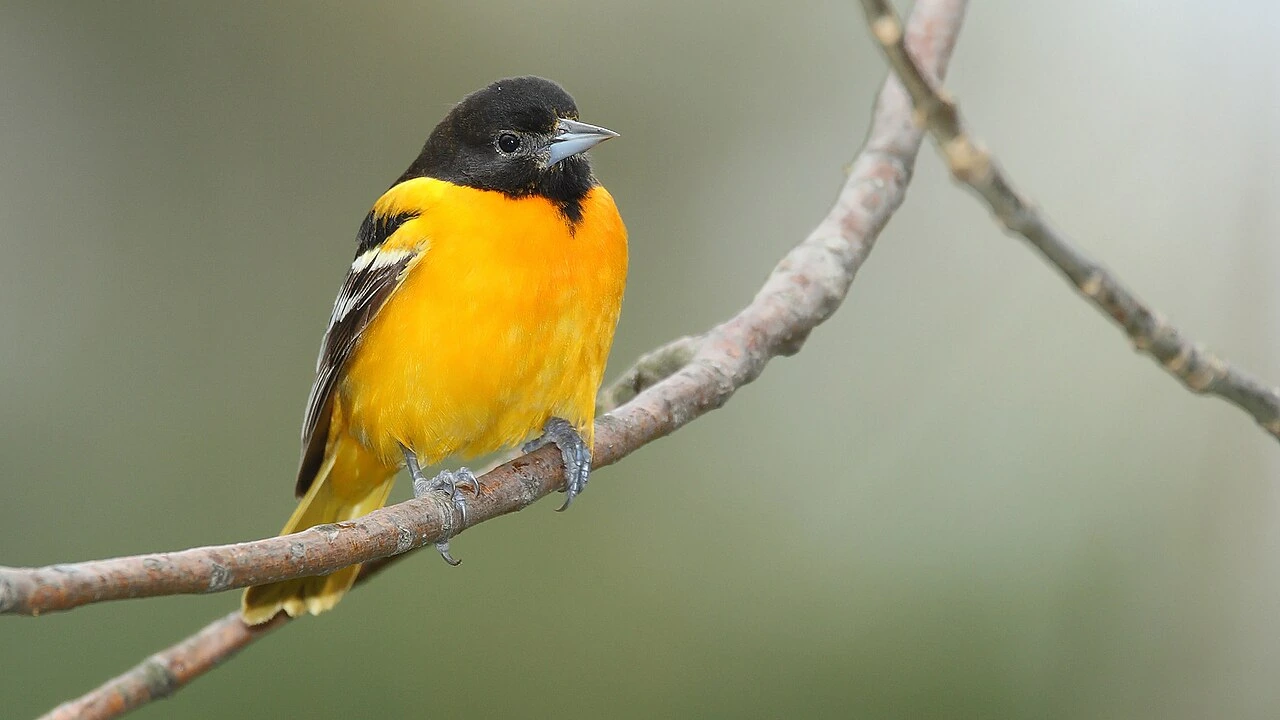
An ovenbird is a small, chunky warbler that looks a bit like a miniature thrush at first glance. An ibis, by contrast, has a distinctive curved bill and overall look that varies by species and habitat what does an ibis bird look like. It's about the size of a large sparrow (4.3 to 5.5 inches long), with olive-brown upperparts, a boldly streaked white chest, and one of the most eye-catching head patterns of any North American songbird: an orange stripe running down the center of the crown, bordered on each side by a thick black stripe, and a crisp white eye-ring sitting in an otherwise plain face. That head pattern is the thing that seals the ID every time.
What Does an Ovenbird Look Like? ID Guide and Field Marks

Marcus Whitley
9 Jul 2026
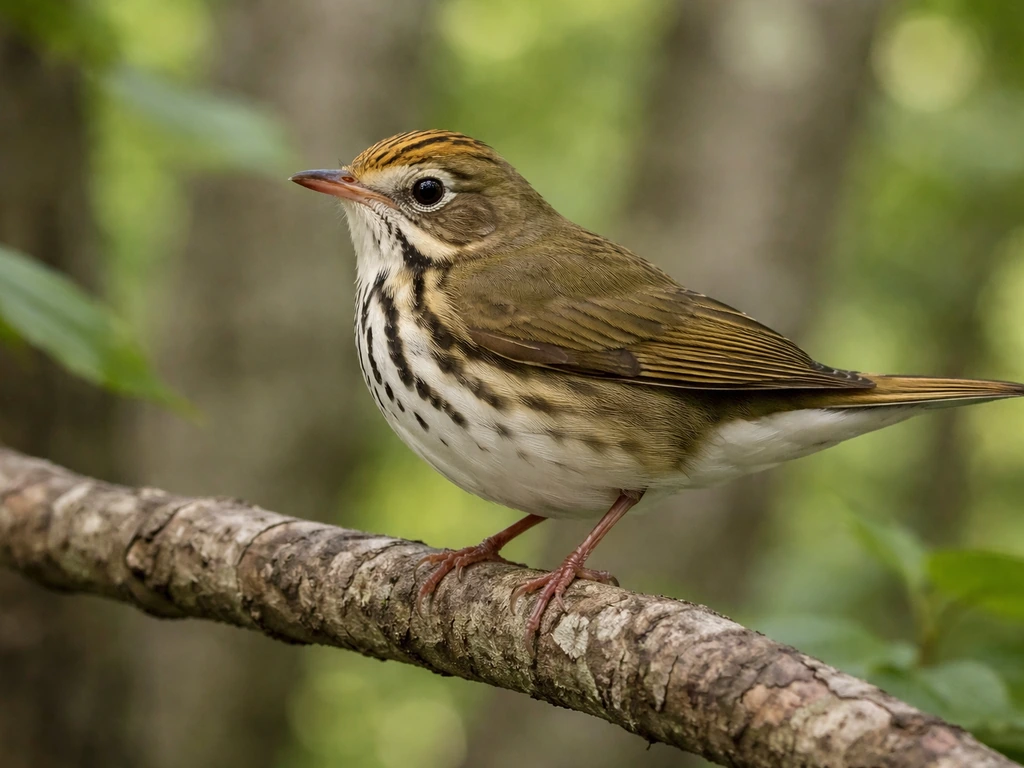
Quick ID snapshot
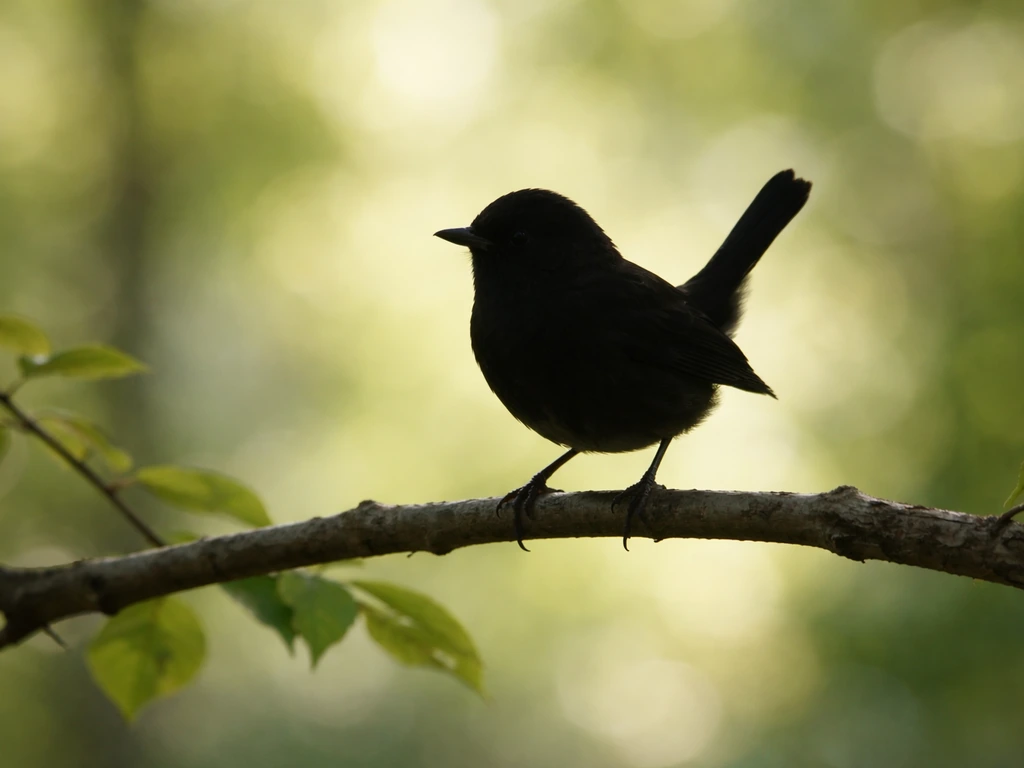
Think of the ovenbird as compact and a little top-heavy looking, with a round head, a fairly stout bill for a warbler, and a tail it often cocks upward at a jaunty angle. The back and wings are plain olive-brown with no wing bars on adults, while the underside is white and heavily streaked with dark spots that join together into bold black blotches across the breast and sides. The wingspan runs from about 7.5 to 10.2 inches, which gives it a slightly broader, more powerful flight silhouette than you might expect from something so small.
| Feature | What you see |
|---|---|
| Body length | 4.3–5.5 inches (roughly sparrow-sized) |
| Wingspan | 7.5–10.2 inches |
| Upperparts | Plain olive-brown, no wing bars |
| Underparts | White with heavy dark streaking/spots on breast and sides |
| Crown | Orange central stripe bordered by thick black stripes |
| Face | White eye-ring on an otherwise unmarked face |
| Bill | Fairly thick for a warbler |
| Tail | Often cocked upward |
Key field marks to look for
The head is where you want to start. That tricolor crown, orange in the middle and black on the edges, is unlike anything else you're likely to see at the same size. Orioles have a very different look, with brightly colored bodies and distinctive head and wing patterns tricolor crown. Pair it with the white eye-ring in a clean, unmarked face and you have a very fast confirmation. There's also a thin blackish malar stripe (the streak running below the cheek toward the throat), which adds to the slightly stern expression when you get a close look.
Move down to the chest and you'll see the second major field mark: bold black spots that connect into streaks running across the breast and down the sides. The belly stays mostly white and clean, so that streaked chest stands out clearly. The back and wings are an unbroken warm olive-brown with no wing bars and no obvious color contrast, which actually makes the spotted underside look even more dramatic by comparison.
- Crown: orange central stripe flanked by two black lateral stripes
- Face: bold white eye-ring, otherwise plain and unmarked
- Malar stripe: thin black line below the cheek
- Upperparts: solid olive-brown, no wing bars, no streaking
- Breast and sides: white with heavy black spots that connect into streaks
- Belly: white and relatively clean
- Tail: short, often tilted upward
- Bill: thicker than most warblers, straight
Plumage variation: juveniles, adults, and seasonal differences
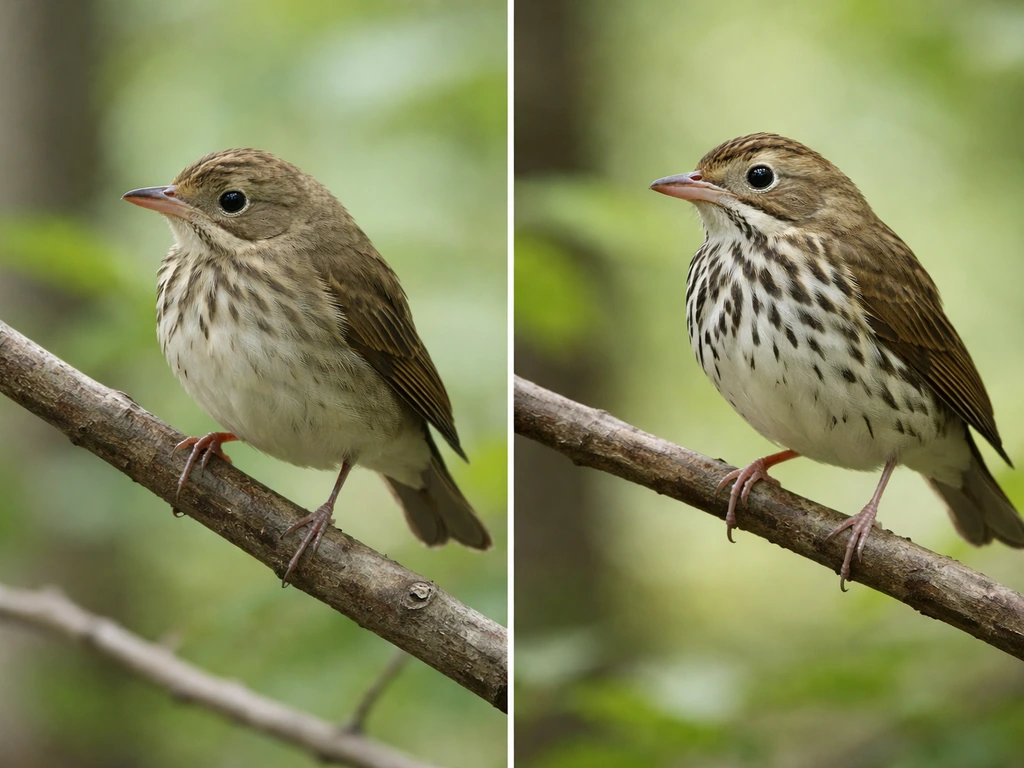
Adults of both sexes look essentially the same year-round, which makes the ovenbird easier to identify than many warblers. There's no dramatic breeding plumage swap or color shift between spring and fall for adults. What you will notice if you see a juvenile bird in late summer is that it looks a bit messier: the mantle and breast markings are more of a soft olive-brown wash with spots rather than the sharp black and white contrast of adults, and the bird has two conspicuous buffy wing bars that disappear once it molts into adult plumage.
By spring migration, most birds have molted enough that the age differences become subtle. Second-year birds may still retain some juvenile flight feathers or tail feathers that look slightly more worn or faded than the fresh feathers grown during their first fall molt, but this is a very fine detail. For everyday identification purposes, whether you're looking at a photo or watching a bird in the field, the head pattern and streaked chest will hold up reliably across all ages.
Common look-alikes and how to tell them apart
The birds that most often get confused with ovenbirds are the waterthrushes (Northern and Louisiana), and occasionally people mistake them for small thrushes. If you are trying to picture what a butcher bird looks like, focus on its overall shape and markings, since those are usually the quickest visual clues small thrushes. Here's how to separate them quickly.
| Bird | Looks similar because | Key difference from ovenbird |
|---|---|---|
| Northern Waterthrush | Ground-foraging, streaked underparts, similar habitat | Has a bold pale eyebrow (supercilium), not a white eye-ring; lacks the orange crown stripe; eyebrow is yellowish-tinged |
| Louisiana Waterthrush | Ground-foraging, streaked underparts | Has a bold bright white eyebrow, not an eye-ring; broader bill; whiter underparts with less dense streaking |
| Hermit Thrush / Swainson's Thrush | Spotted breast, round head, walks on ground | Much larger; no orange crown stripe; no white eye-ring; spots are round dots, not streaks; rufous tail on Hermit Thrush |
| Wood Thrush | Heavily spotted breast, forest floor behavior | Significantly larger (robin-sized); bold round black spots on white, not connected streaks; no crown stripe |
The waterthrush confusion is the most common one. The fastest fix is to look at the face: waterthrushes have a prominent eyebrow stripe (supercilium) that sweeps back from the bill, while the ovenbird has none of that. Instead, the ovenbird's eye sits inside a neat white ring on a blank face. If you see an eyebrow, it's a waterthrush. If you see an eye-ring with no eyebrow, you're looking at an ovenbird. Checking the crown seals it: that orange and black striped crown is the ovenbird's most distinctive feature and nothing else on this list has it.
Habitat and behavior cues that back up your ID
Finding an ovenbird in the right setting makes the visual ID much easier to trust. These birds breed in mature deciduous or mixed forests, and they specifically favor open forest floors with deep leaf litter and minimal understory scrub. If you're in a large patch of older hardwood forest and you spot a small, spotted bird walking deliberately across the leaf litter, ovenbird should immediately jump to the top of your list.
The walk itself is a useful clue. Ovenbirds walk rather than hop, and as they move they bob their head forward and sometimes wag their tail, a bit like a miniature pigeon. That walking gait is unusual for a bird this small and stands out. The upward-cocked tail is also worth noting when the bird pauses. If you see it fly, it'll typically drop straight back into the leaf litter rather than perch high in a tree. This may be confusing because ostriches are also birds, but they are very different from small songbirds like the ovenbird.
Timing helps too. In the eastern United States, ovenbirds are most reliably found on their breeding grounds from May through August. Migration windows are early April through early May heading north, and mid-September to mid-October heading south. If you're seeing a small, spotted, ground-walking bird in a mature forest during those windows, it's well within the expected range and season for an ovenbird. If you are curious about a different type of seabird, the albatross bird has a distinctive large body and long wings that help it glide over the ocean what does an albatross bird look like.
How to confirm it from a photo: what to check first
Whether you took the photo yourself or you're comparing one you found online, running through a short checklist in a fixed order will get you to a confident answer fast. This ovenbird guide can also help you compare similar look-alike birds, like the Baltimore oriole, when you're trying to figure out what they look like checklist.
- Start at the crown. Can you see an orange stripe running down the center of the head with a dark stripe on each side? If yes, you're almost certainly looking at an ovenbird already.
- Check the face. Is there a white ring around the eye with no eyebrow stripe above it? That white eye-ring in an otherwise plain face is the second confirmation.
- Look at the chest. Is it white with bold dark spots or streaks, especially concentrated on the breast and sides? That's the third consistent mark.
- Scan the back and wings. Is the upperside a plain olive-brown with no wing bars? Adult ovenbirds have clean, unbarred wings.
- Notice the tail position. If the bird is visible in a natural perching or walking posture, is the tail tilted up? That jaunty upward tilt is a helpful behavioral signature.
- Consider the setting. Is the bird on or near a forest floor in mature woodland? If the habitat fits and the head pattern checks out, you can feel confident in the ID.
The orange and black crown combined with the white eye-ring is genuinely unique among ground-level forest birds in North America. You won't need to second-guess yourself once you've seen it once. If a photo is too blurry to confirm the head details, zoom into the chest pattern as a secondary check: the connected black streaks on white are distinctive enough on their own to narrow things down considerably.
For comparison, birds like thrushes have rounder, more isolated spots, and waterthrushes have that bold eyebrow you can't miss. The ovenbird sits in its own category once you know what to look for. Ospreys are much larger birds of prey with long wings and a distinctive dark eye stripe, and their look is very different from an ovenbird.
FAQ
If I only get a quick glimpse of an ovenbird, what single feature should I focus on first?
In brief, look first at the head: an orange stripe down the middle of the crown bordered by thick black lines, plus a crisp white eye-ring on an otherwise plain face. If those details are not clear, use the underside as your backup, the heavy black spots connect into streaks across the breast and down the sides on a mostly white belly.
What should I check in a blurry ovenbird photo to confirm the ID?
A blurry photo often hides the crown stripes, but the streaked chest is usually easier to verify. Zoom in on the breast and look for connected black blotches that form continuous streaks, instead of more separate, round dots you might see on some thrushes.
How does a juvenile ovenbird look compared with an adult?
Yes, juveniles can look different enough to slow people down. Late-summer juveniles tend to look more washed and “messy,” with softer olive-brown spotting instead of crisp black-and-white contrast, and they can show two buffy wing bars that adults lack. If you see wing bars, treat it as a juvenile possibility, then still require the orange-and-black crown and the general streaked underside pattern.
Do ovenbirds behave differently from look-alike warblers, and can behavior confirm the ID?
Most ovenbirds in typical situations are compact and ground-active, so a bird that is mostly perched high in the canopy is less likely. Ovenbirds often walk with a deliberate, forward-leaning gait, and when they pause their tail is frequently cocked upward. Those behaviors can be as helpful as colors if you are watching rather than photographing.
What is the quickest way to tell an ovenbird from a waterthrush?
If you are unsure, use the “face first” rule to separate ovenbirds from waterthrushes. Waterthrushes show a prominent eyebrow (supercilium) that sweeps back from the bill, while ovenbirds have no eyebrow, instead showing a neat white eye-ring around the eye on a blank face.
Why do ovenbirds sometimes get confused with small thrushes, and how do I avoid the mistake?
Ovenbirds and small thrushes can overlap in size and overall “small forest bird” feel. The decisive difference is the crown plus the patterned underside: ovenbirds have the orange-and-black tricolor crown and a streaked chest with connected dark marks, whereas many thrushes show more isolated, rounded speckles or spots and generally lack that ovenbird crown-and-eye-ring combination.
How much does habitat matter for ovenbird identification, and what habitat details should I look for?
If the bird is actively walking on the forest floor, that favors ovenbird more than birds that hop or feed differently. Also consider habitat, mature deciduous or mixed forest with deep leaf litter and minimal understory scrub is a strong context clue. If you are in a very open, grassy, or heavily brushy area, treat the identification as less certain and re-check the crown and breast markings.
Is ovenbird identification reliable year-round, or does the season change what I should expect?
Season helps, but timing alone should not decide the ID. In the eastern U.S., May through August is prime breeding season, with northbound migration roughly early April through early May, and southbound migration mid-September through mid-October. If you are outside those windows, still look for the crown stripes and white eye-ring, but expect fewer sightings.
During spring migration, what changes can make ovenbird ID confusing, and what stays reliable?
Yes. Second-year and older birds near migration can have some slightly worn-looking or faded tail or flight feathers compared with fresh adult plumage after molt, but the key identification marks remain stable. For practical field use, do not rely on feather wear, rely on the orange-and-black crown, white eye-ring, and the streaked chest.
Next Article
What Does a Baltimore Oriole Bird Look Like? Key Traits
Learn what a Baltimore oriole looks like, key male and female markings, size cues, and how to spot look-alikes.