Warblers are small, slim, energetic songbirds, usually somewhere between a chickadee and a sparrow in size, with a thin pointed bill and a habit of never sitting still for long. If you’re trying to identify a waxwing, the first step is still to compare the overall look closely, including body shape and visible markings. Most are around 4 to 5 inches long, lightweight, and built for flitting through foliage after insects.
What Does a Warbler Bird Look Like? Field Marks Guide

Marcus Whitley
19 May 2026
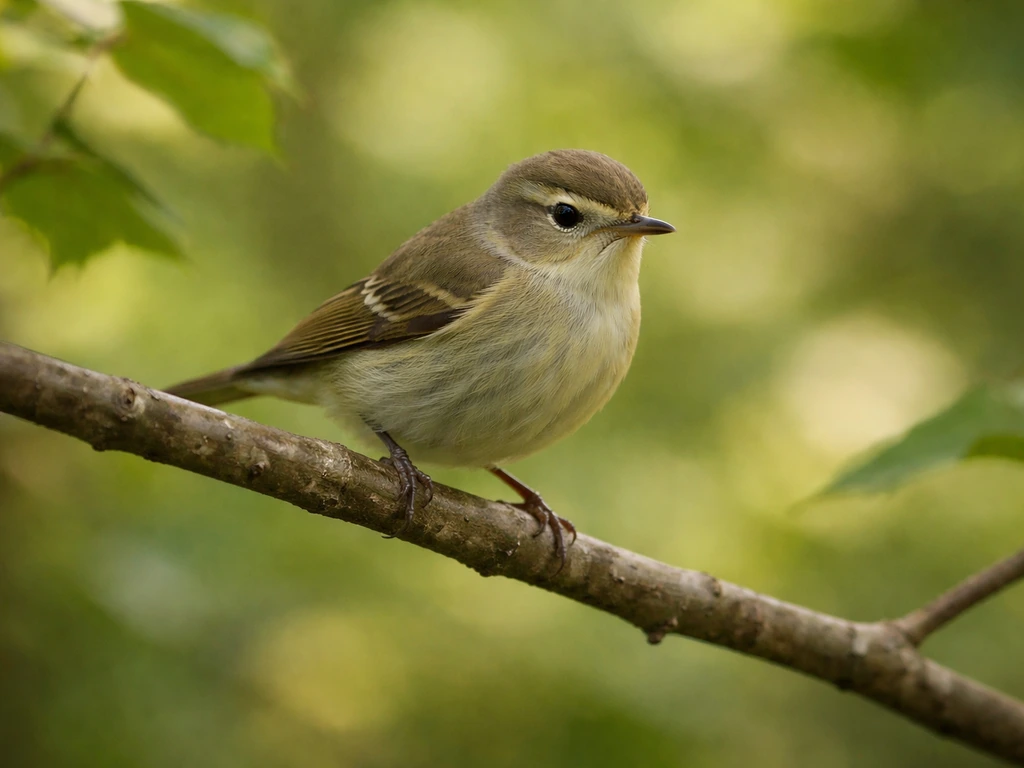
The tricky part is that "warbler" covers dozens of species, and they range from plain olive-gray birds that barely catch your eye to strikingly patterned birds with black masks, bold streaking, and bright yellow underparts. The good news is that once you know the basic shape and a handful of field marks, you can confidently place a bird in the warbler group and often nail the species from there.
If you’re curious what a whip-poor-will bird looks like, compare its overall shape and markings in good field photos what does a whip-poor-will bird look like.
What a warbler generally looks like
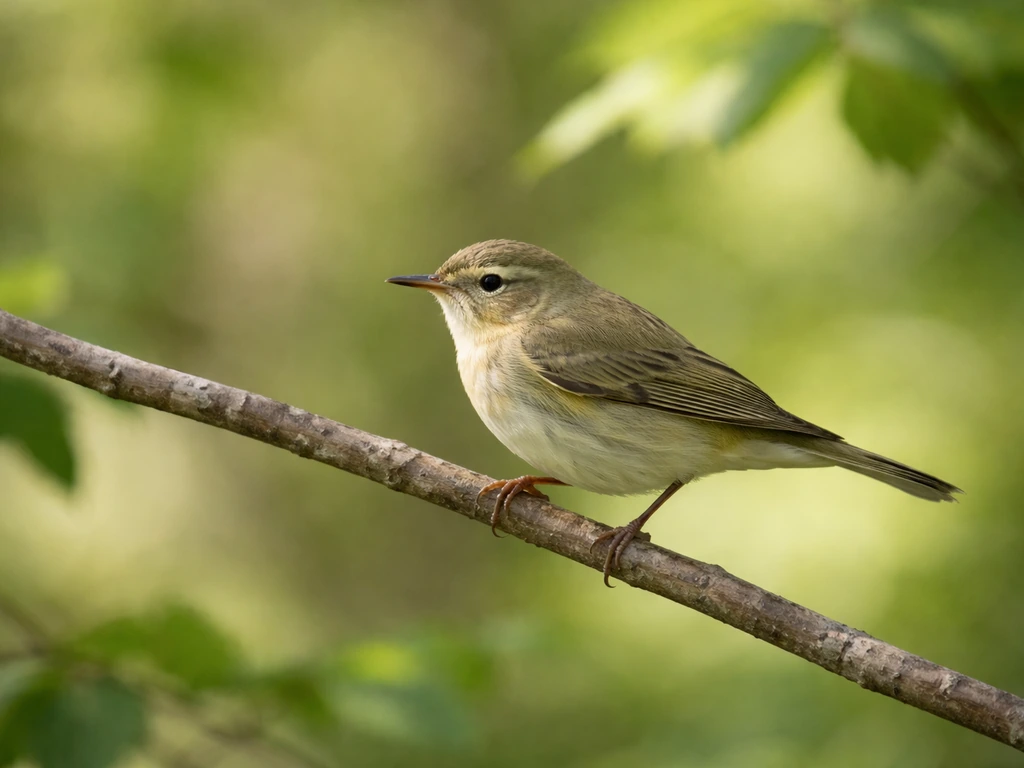
The warbler body plan is pretty consistent across the family. Think small and slender, with a fine, pointed bill that looks almost like a sewing needle compared to the thick seed-cracker bill of a sparrow or finch. The tail is short to medium length and often held flat or slightly raised.
Legs are thin but can look fairly long, especially on species like MacGillivray's Warbler, which carries a noticeably full-bodied, thick-necked look that's a bit stockier than most of its relatives. All About Birds' Cornell Lab description of MacGillivray's Warbler notes its compact, small songbird shape with a full body for a warbler and a thick neck, along with a medium-length tail and fairly long legs MacGillivray's Warbler, which carries a noticeably full-bodied, thick-necked look.
Wings are relatively short and rounded. The overall impression is of a bird that looks almost restless, constantly moving through leaves and branches at mid to low levels in trees and shrubs.
Behavior is actually one of your best first clues. Warblers are active, quick-moving insect eaters that glean bugs directly off leaves rather than hovering or diving. Some even have a characteristic motion you can use as a field mark: Virginia's Warbler, for example, wags its tail up and down repeatedly, which is distinctive enough to catch your eye before you even register the bird's colors.
The field marks that matter most
When you get a look at a warbler, here's the order to work through the bird. Start at the head, move to the wings and back, then check the underside from throat to undertail. That sequence gives you the most diagnostic information in the shortest time, which matters a lot when the bird won't stay put.
Head patterns
The head is often where you can separate species fastest. Look for an eye ring (a distinct pale or white circle around the eye), an eyeline (a dark stripe running through or behind the eye), or a supercilium (a pale stripe running above the eye, sometimes called an eyebrow stripe). Nashville Warbler has a crisp white eye ring with no wing bars, which immediately separates it from warblers that have one or the other but not both.
blank" rel="noopener noreferrer">Tennessee Warbler, on the other hand, has a pale supercilium on the breeding male instead of an eye ring, and its head is gray with a green back. Magnolia Warbler males in breeding plumage show a bold black mask, which is hard to miss. Pine Warbler has a more subtle look: a broken yellow eye ring connected to a faint pale stripe in front of the eye, giving the face a weakly "spectacled" appearance.
Wings
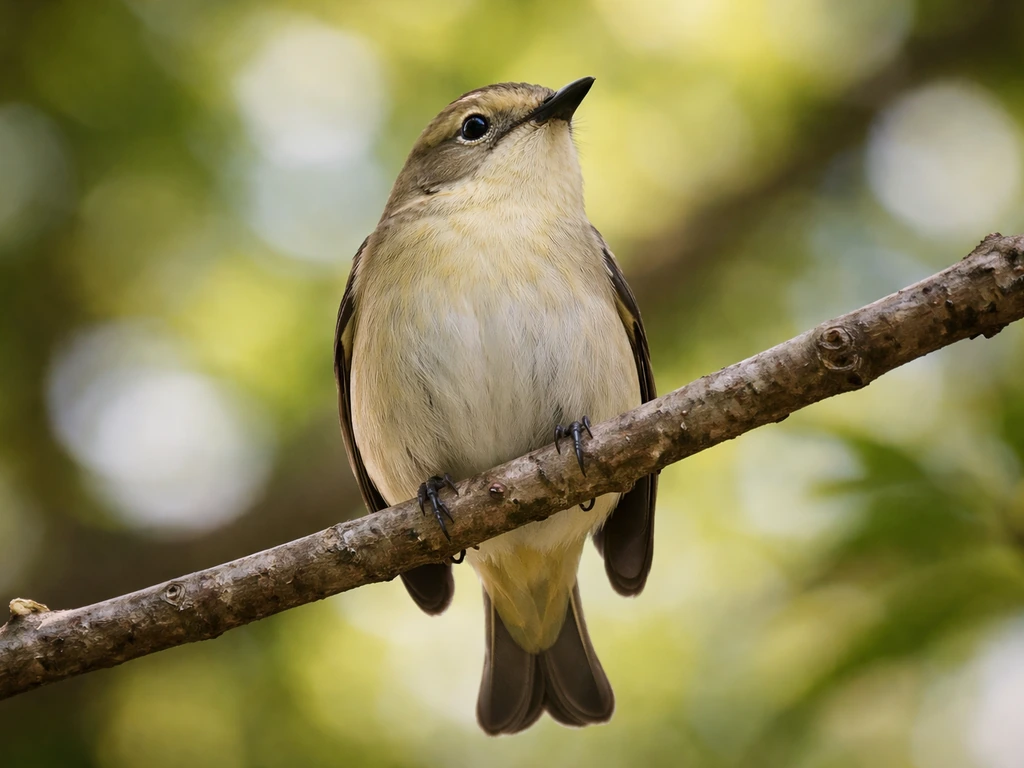
Wing bars are one of the most reliable features to check. Many warblers show two white wing bars on the folded wing, like the Magnolia and Pine Warblers, both of which have visible white wing bars that contrast with the wing feathers. But not every warbler has them: MacGillivray's Warbler lacks wing bars entirely, and so do Nashville and Tennessee Warblers. The presence or absence of wing bars, combined with other features, is often what clinches the ID.
Belly, throat, and undertail
Don't overlook the underside. A lot of warbler IDs get confirmed from below, especially when you can only see the bird on a branch above you. Work from the throat downward: throat color, breast pattern, belly color, vent area, and finally the undertail coverts and the underside of the tail itself. Magnolia Warbler has bright yellow underparts with thick black streaks.
Nashville Warbler has yellow from the throat down to the breast, then a white belly. Pine Warbler shows a white lower belly and white undertail coverts, which contrasts with its yellow chest. Palm Warbler can be identified from directly below by yellow undertail coverts combined with a black tail base and white tail tips. Virginia's Warbler has yellow undertail coverts and a yellow patch on the chest against otherwise gray and white underparts.
What warbler color patterns can tell you
Warbler plumage broadly falls into a few visual categories, and recognizing these groupings speeds up your ID process.
- Plain olive or gray-green birds with minimal patterning: these tend to be species like Tennessee or Orange-crowned Warbler. Dull overall color with a pale supercilium and no wing bars points you toward this group. If you see this kind of bird, focus on whether it has an eye ring or just a supercilium, and check the undertail coverts for color.
- Yellow-heavy birds: bright yellow underparts are a hallmark of many North American warblers. The question then becomes whether the yellow is clean (like Nashville), heavily streaked with black (like Magnolia or Blackpoll in breeding plumage), or restricted to patches like the throat or undertail only.
- Gray and white birds with yellow highlights: Virginia's Warbler is a good example, mostly gray above and whitish below with yellow on the chest and undertail. This more restrained palette is typical of several western warblers.
- Boldly patterned birds with black, white, and yellow: Magnolia Warbler in breeding plumage is the kind of bird that stops you in your tracks with its black mask, yellow underparts, and strong streaking. Strong, contrasting patterns like this usually belong to breeding males.
- Fall and immature birds: plumage gets much drabber in fall. Streaking softens, yellows fade, and many warblers lose the bold markings that made them easy to identify in spring. This is where undertail and throat colors become especially important.
How to tell warblers apart from similar small songbirds
Warblers get confused most often with vireos, kinglets, and flycatchers. Audubon notes that warblers can resemble vireos in posture, shape, size, feeding style, and even name, so identification often depends on structural cues like wingbars Vireos, kinglets, and flycatchers. Each group has a slightly different look and behavior once you know what to check.
| Bird group | Bill shape | Wing bars | Behavior | Key difference from warblers |
|---|---|---|---|---|
| Warblers | Thin, needle-like, straight | Often present, but not always | Fast, restless, gleans insects from leaves | Slim bill, usually high energy, wide range of head and underpart patterns |
| Vireos | Slightly thicker, with a small hook at the tip | Often present | Slower, more deliberate movement | Hooked bill tip, heavier-headed look, less frenetic than warblers |
| Kinglets | Very thin, tiny overall | Usually present | Hover-gleans, wings often flicked | Tinier than most warblers, distinctive wing-flicking habit, often shows bold eye patterns |
| Empidonax flycatchers | Broader, flat-based bill | Usually present | Upright posture, sallies out to catch insects | Broader bill, upright stance, tail-wagging in some species; differences from warblers can be subtle |
Vireos are probably the most common confusion group. They can be similar in size, posture, and habitat to warblers, and some even have wing bars. The bill is the fastest way to separate them: a vireo's bill has a small but visible hook at the tip, while a warbler's bill is straight and needle-fine all the way to the point. Vireos also tend to have a heavier, more rounded head and move more slowly and deliberately through foliage.
Some vireos have a relatively "open" face without a strong dark eyeline, which is different from warblers that often show bold head patterning. Kinglets are even smaller than most warblers and have a habit of nervously flicking their wings that you'll quickly recognize. Flycatchers can be tricky because many differences are subtle: look for a broader, flat-based bill and an upright, hunched perching posture rather than the more horizontal, active stance of a warbler.
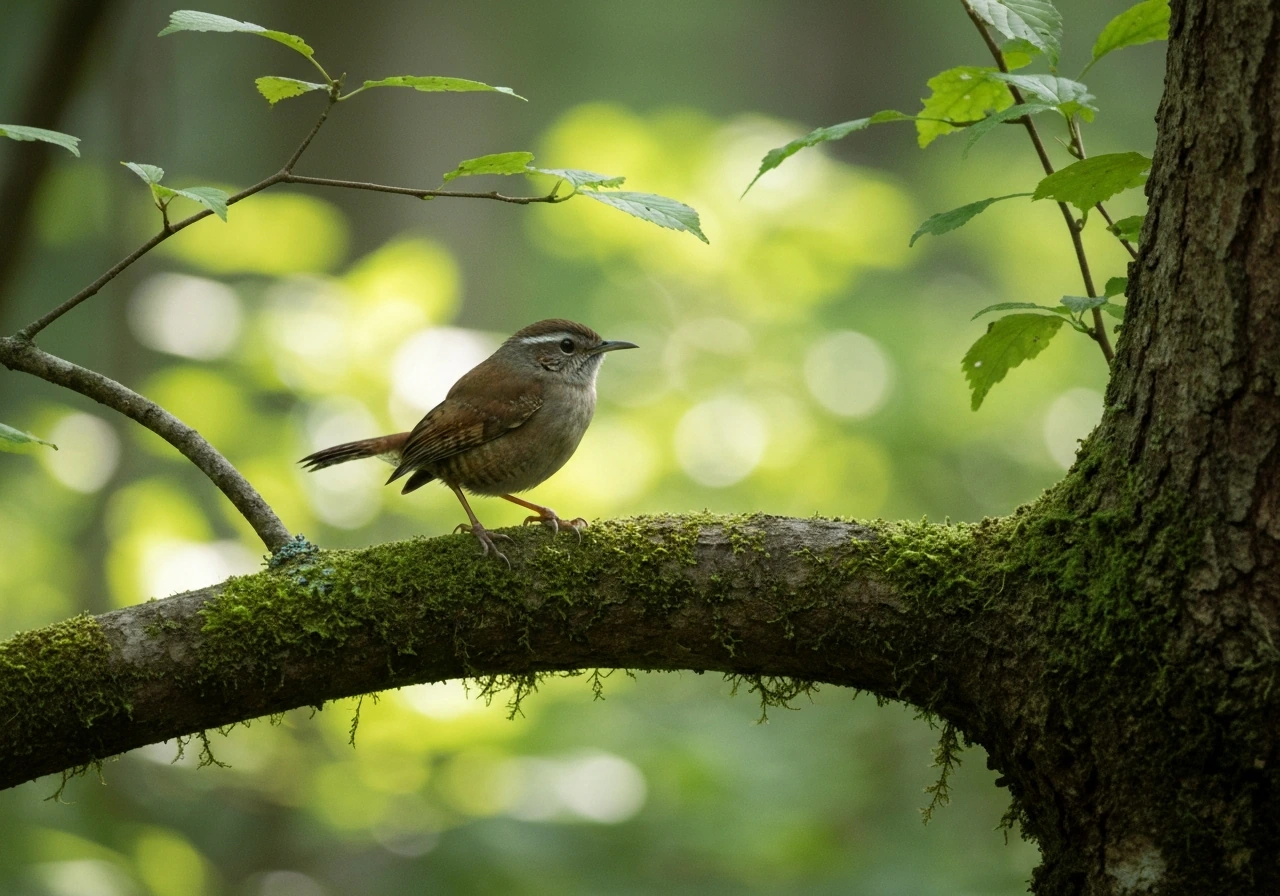
Wrens are another bird that sometimes gets lumped in with small active songbirds, though they're usually more brown and barred, with a distinctively cocked tail that most warblers don't show. If you’re wondering about larger lookalikes, you may want to compare it to species like those that resemble a wren but are bigger wren but is bigger. Wrens, for example, are usually more brown and barred, with a distinctively cocked tail that most warblers do not show. If you're comparing warblers to wrens, the slim pointed bill and lack of heavy barring on the back will usually separate them quickly.
Why the same warbler can look different depending on region and season
Geography matters a lot with warblers. Some species are only found in the East, some only in the West, and a handful are widespread. Virginia's Warbler is a western species you won't encounter in the eastern US, while Magnolia and Blackpoll Warblers are eastern migrants. MacGillivray's Warbler is a western counterpart to Mourning Warbler in the East, and the two look very similar. Knowing your region immediately cuts the list of possible species in half.
Season changes plumage dramatically. Spring breeding males are at their most vivid and easiest to identify: bold masks, bright yellow, clean streaking. By fall, males have molted into duller plumage, females were already subtler, and young birds of the year are drabber still. A Blackpoll Warbler in breeding plumage has a crisp black cap and white cheeks; by fall it looks much like a plain streaky greenish bird. The undertail coverts and any remaining throat/breast color patterns are often the most stable features through seasonal changes, which is why birders learn to look there first in fall.
Habitat is a regional and seasonal cue too. Palm Warblers often forage on the ground or in low shrubs in open areas, especially during migration. Pine Warblers stay close to pine trees year-round in the Southeast. Yellow-rumped Warblers show up almost everywhere in winter and are often the warbler species most people encounter first. Knowing where you are and what time of year it is narrows the possibilities before you even raise your binoculars.
Quick warbler identification checklist for the field
Run through this list in the field when you spot a small active songbird and want to confirm it's a warbler and narrow down the species. You won't always get all of these, but the more you can check, the faster you'll land on an ID.
- Size and shape: Is it sparrow-sized or smaller? Does it look slim and active rather than chunky?
- Bill: Is the bill thin and pointed with no hook at the tip? (Yes = warbler territory; hook = possible vireo)
- Head: Is there an eye ring, an eyeline, a supercilium, or a mask? Note the color and how bold it is.
- Wing bars: Are there two white wing bars, one, or none? This alone can separate many species.
- Throat: What color is the throat? Yellow, white, gray, or orange-buff?
- Breast and belly: Is the breast streaked or plain? Is the belly yellow, white, or buffy?
- Undertail coverts: Yellow, white, or buffy? This is especially important in fall when other marks fade.
- Back and wings: Is the back green, gray, or streaked? Any yellow or white patches on the wings?
- Behavior: Is the bird constantly moving and gleaning? Does it wag or pump its tail?
- Location and habitat: What region are you in? What kind of trees or shrubs is the bird using?
How to confirm the exact species after the initial sighting
Once you've run through the checklist and have a short list of candidates, here's how to confirm. First, note the habitat as specifically as you can: pine forest, shrubby edges, riparian willows, open grassland. Habitat is often the detail that rules out a species entirely. A Pine Warbler is almost never far from pines; a MacGillivray's Warbler favors dense low shrubs in western mountains. Second, write down or record the date and your exact location. Many warblers are only present in a given area during a specific migration window, so a bird that seems unusual might be a common migrant passing through.
If you got a partial view, prioritize which body part you did see clearly and search field guides filtered by that feature. Saw mostly the underside? Work from throat to undertail as Audubon recommends, and look for matching combinations in a guide. Saw mostly the back and wings? Focus on back color, wing bar presence, and any rump patches. A yellow rump, for instance, immediately narrows things to Yellow-rumped Warbler in most of North America.
The Merlin Bird ID app from the Cornell Lab is genuinely useful here: you can enter your location, date, and the features you observed, and it returns a ranked list of likely species with photos. If you heard the bird sing or chip, Merlin's Sound ID feature can match it in seconds. Photo ID is another option if you managed a shot, even a blurry one.
Finally, compare your bird to the similar-looking species listed in whatever field guide or app you're using. The comparison notes in resources like All About Birds are especially helpful because they spell out the exact features that separate one similar species from another, like how Bay-breasted and Blackpoll Warblers are told apart by leg color, undertail covert color, and breast streaking intensity. Running through those comparisons is how you move from "I think it's a warbler" to "I'm confident it's a Blackpoll." The more you do this, the faster the whole process becomes until checking bill shape, eye ring, wing bars, and undertail is just automatic.
FAQ
What does a warbler bird look like compared to a sparrow or finch?
Warblers look much slimmer with a thin, pointed, needle-like bill and short, rounded wings. They also keep a flatter or slightly raised tail and move quickly through foliage at mid to low heights, instead of hopping and feeding like heavier seed-eaters.
If I only get a brief glimpse, what single feature should I focus on to answer “what does a warbler bird look like”?
Start with the bill shape and overall posture. A warbler’s bill stays straight and needle-fine, and its body looks restless and lightly built, not thick-headed and deliberate. If you can also catch wing-bar presence or the undertail coverts color, that becomes decisive fast.
Do all warblers have wing bars?
No. Many warblers show two pale or white wing bars on the folded wing, but several do not at all. Wing-bar absence is especially important to remember when the bird you saw otherwise looked “warbler-like” in size and movement.
Are eye rings always visible on warblers?
Not always. Some species show a clear pale eye ring, others rely more on an eyeline or a supercilium (eyebrow stripe). In some warblers, the most stable face mark is subtle and only stands out in good light, so try to confirm with underside coloration if the face mark is unclear.
How can I tell a warbler from a vireo when both can have wing bars?
Check the bill tip and movement speed. Vireos have a small visible hook at the bill tip and often move more slowly with a heavier, rounder head. Warblers usually show a straight needle-fine bill and a more frantic, leaf-gleaning style.
Do warblers ever perch upright like flycatchers?
Some brief upright moments happen, but warblers typically keep a flatter, horizontal feel while working through leaves. Flycatchers usually have a broader, flatter bill and a more clearly hunched, sit-and-wait perch before darting out.
What does a warbler look like in fall or winter, when colors are dull?
In cooler months, many warblers look more streaky and less contrasty, especially on males. The undertail coverts and any remaining throat or breast pattern often hold up better than bright head masks, so those underside details are the easiest way to keep the ID on track.
If the bird is mostly seen from above, what clues matter most?
From above, prioritize back color, rump or tail area, and wing-bar pattern (if any). Tail shape and how the bird holds it can also help, since warblers often keep the tail flat or slightly raised while moving through foliage.
If I only see the bird from below, can I still identify it as a warbler?
Yes. Work throat to undertail in your head and look for consistent combinations like undertail coverts color plus vent or breast pattern. Many species show their key ID traits from below, such as yellow undertail coverts or a contrasting undertail and tail tip pattern.
Are there warblers that are larger or stockier-looking than the typical slender warbler?
Yes. Some species, such as MacGillivray’s Warbler, can look fuller-bodied and thicker-necked than the average warbler, making them seem less “needle-slim.” Even then, the bill should still look straight and fine compared with heavier, chunkier songbirds.
Does geography really change what warblers I should expect to see?
Yes. Many warblers are region-specific, so the same “warbler-looking” bird can be a different species depending on where you are. Using your location first can eliminate most possibilities before you even compare markings.
What’s the most common mistake when identifying warblers from photos?
Rushing the ID without checking underside and face marks. Blurry angles often hide the bill tip or eye pattern, so rely on the most diagnostic view you have, then use wing bars and undertail coverts to confirm rather than guessing from body color alone.
If I hear the bird but cannot see it well, can I still answer what a warbler looks like?
You can often identify the species by sound even if appearance is incomplete, but “what does a warbler look like” becomes a supporting check. If you can, still verify with at least one visual field mark later, like wing-bar presence or undertail coverts color, because different warblers can share similar songs.
Next Article
What Bird Looks Like a Wren but Is Bigger? ID Guide
Field ID guide to bigger wren lookalikes with a step-by-step checklist, key features, and photo confirmation tips.