Several birds get mistaken for crows regularly, and the most common ones are the Common Raven, Fish Crow, Black-billed Magpie, and (in Europe) the Jackdaw. All are black or mostly black, all have that sturdy, confident look, but each one has at least one dead-giveaway field mark you can spot quickly once you know what to look for. Start with size and tail shape, and you'll narrow it down fast. To compare, it also helps to know what a sparrow looks like at a glance, since size and shape differences are usually obvious what a sparrow bird look like.
What Bird Looks Like a Crow? Quick Field ID Guide

Marcus Whitley
12 Jun 2026
What a crow actually looks like (your baseline)
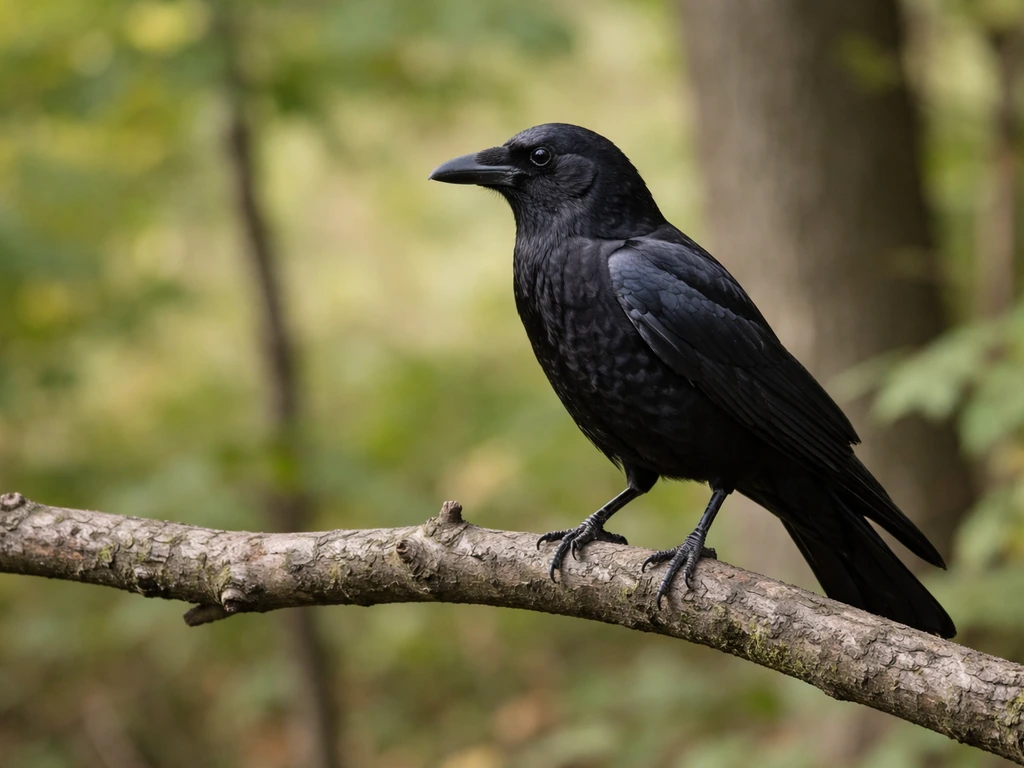
Before comparing look-alikes, it helps to lock in what you're comparing against. The American Crow is an entirely black bird, including its bill, legs, and feet. It's medium-large, roughly the size of a pigeon but chunkier and more powerful looking. The bill is moderately heavy but not enormous, and it's noticeably shorter than the length of the crow's own head. blank" rel="noopener noreferrer">The tail is short and squared off at the tip, and in flight the wings look broad and rounded rather than long and pointed. The overall impression is a solid, no-nonsense black bird with proportions that feel balanced and compact.
Quick comparison checklist: size, shape, and color
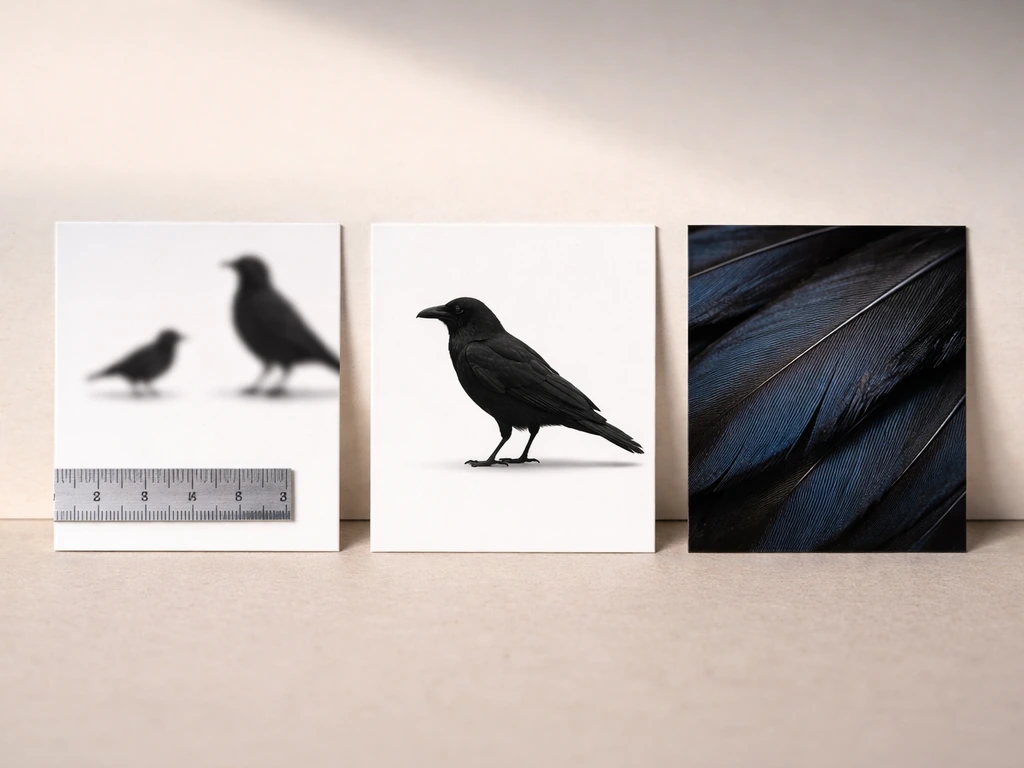
When you first spot a black bird, run through these three things before anything else. They'll cut your candidate list in half immediately.
| Feature | American Crow | Common Raven | Fish Crow | Black-billed Magpie | Jackdaw |
|---|---|---|---|---|---|
| Size | Medium-large (17–21 in) | Much larger (22–27 in) | Slightly smaller than crow | Medium (17–19 in) | Small (13–15 in) |
| Overall color | All black | All black | All black | Black and white with iridescent gloss | Black with grey nape/neck |
| Tail shape | Short, square-tipped | Long, wedge/diamond-shaped | Longer than crow, square | Very long tail | Short to medium, rounded |
| Bill size | Moderate, shorter than head | Large, longer than head | Similar to crow | Medium, slightly curved | Short, chunky |
Common crow look-alikes and what to look for
Common Raven
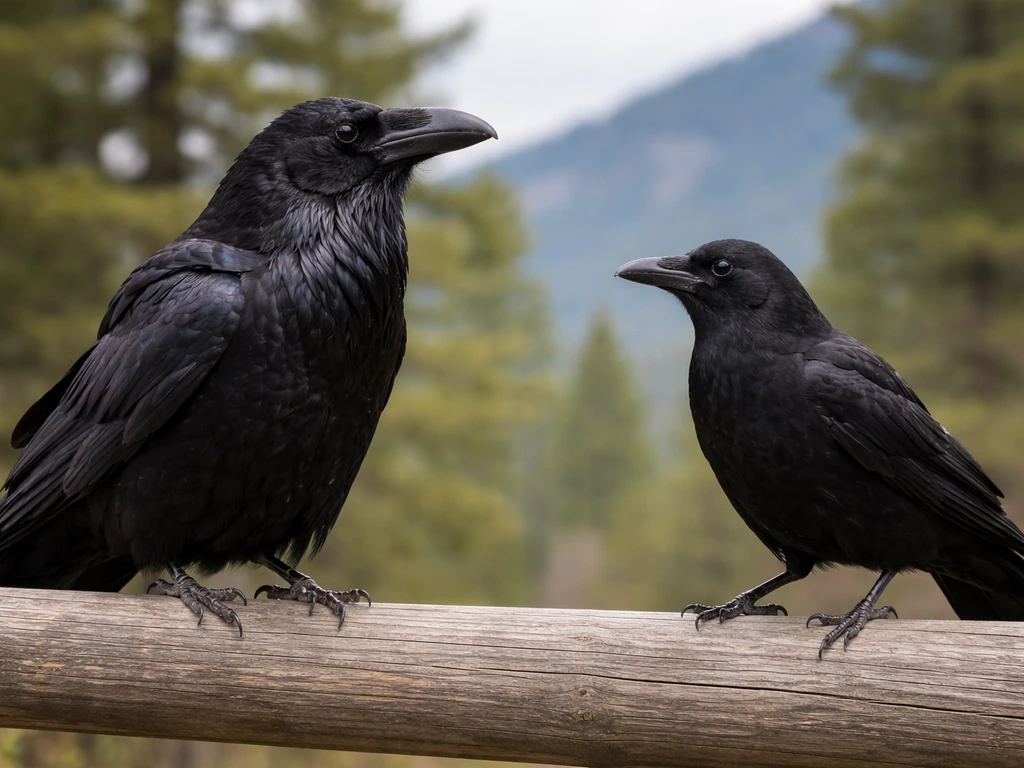
This is the one most people mix up with crows, especially in western North America and mountainous areas. Ravens are noticeably bigger, more like a hawk in size than a crow, and they carry themselves differently. The bill is the first giveaway: a raven's bill is thick, heavy, and actually longer than the bird's own head, giving it an almost brutal look compared to the crow's more proportionate bill. Look at the throat too.
Ravens have shaggy, almost beard-like feathers on their throat called hackles, which give them a ruffled look crows simply don't have. The tail is the clincher in flight: a raven's tail fans into a distinctive diamond or wedge shape, while a crow's tail stays squared off.
Fish Crow
This one is genuinely tricky, and honestly, if you're in the southeastern or coastal US and you're staring at what looks like a regular American Crow, there's a real chance it could be a Fish Crow. The two species are almost identical visually. The best visual clue you have is that the Fish Crow has proportionately longer wings and a slightly longer tail than the American Crow. It's subtle. If you can hear it, that's your best bet: Fish Crows have a distinctly nasal, almost whiny call that sounds nothing like the clear, full-throated caw of an American Crow. If the bird is near water, marshes, or a waterbird colony, that context also points toward Fish Crow.
Black-billed Magpie
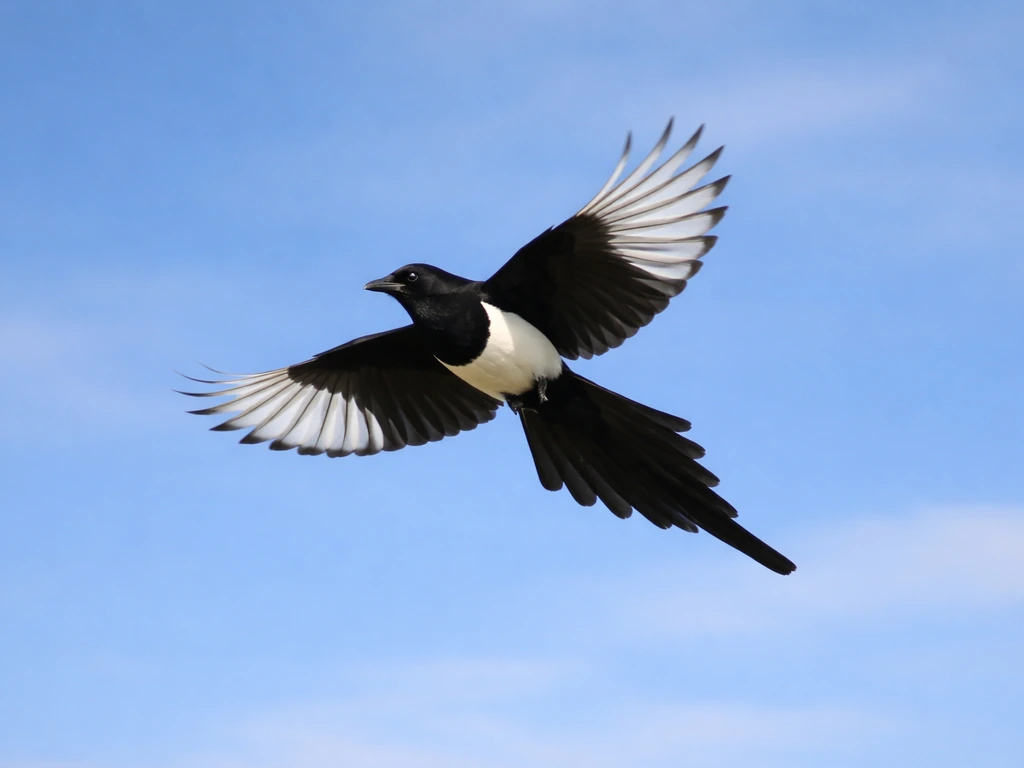
You won't confuse this one for long. The magpie has a dramatically long tail that makes up roughly half its total body length, and in flight its wings flash large white patches that are impossible to miss. The body is black and white, not all black, and up close you'll see an iridescent blue-green gloss on the wings and tail. The silhouette alone, with that exaggerated tail, should separate it from a crow almost instantly. Magpies are social and often seen in small flocks, picking around open ground in the western US and Canada.
Jackdaw (mainly UK and Europe)
If you're in the UK or Europe, the Jackdaw is the crow-like bird you'll encounter most often, and it's actually the smallest of the crow family. If you’re wondering about a bird that looks robin-like but smaller, that’s a different group than the crow look-alikes discussed here. Look for the silvery-grey patch that wraps around the back of the head like a shawl, a black cap on top, and a pale, almost white eye. Those pale eyes are distinctive and easy to spot up close. Jackdaws are much smaller than a Carrion Crow, noticeably chunky in build, and they tend to move quickly and noisily in tight flocks.
Bill, feet, and tail details that separate the species
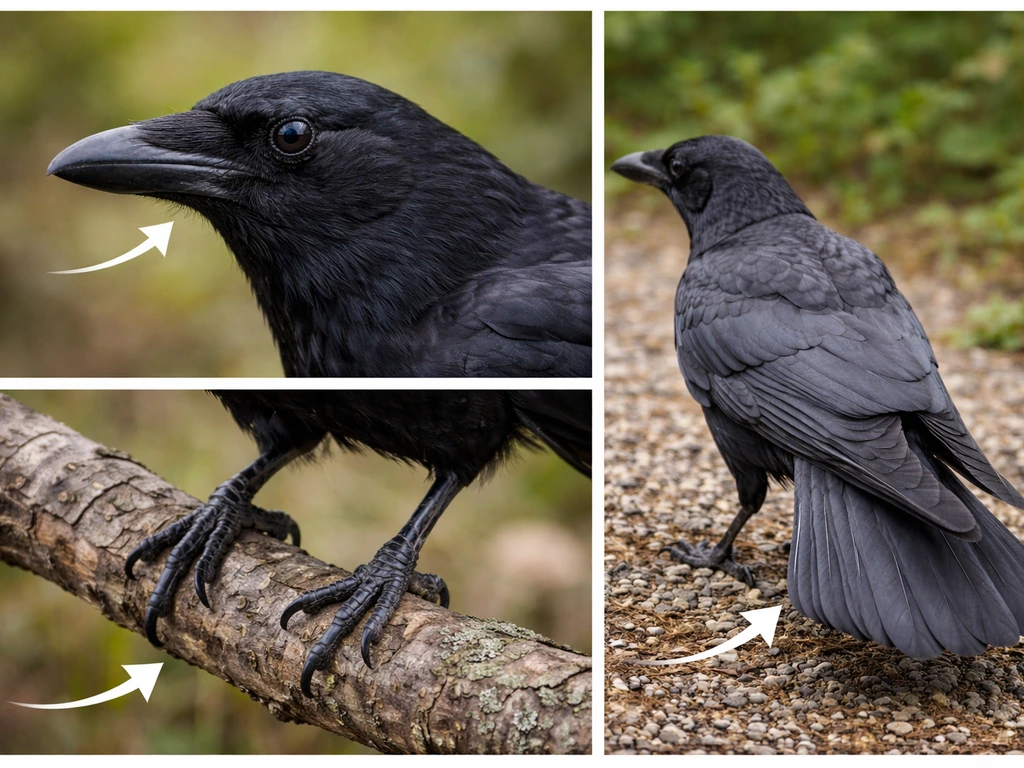
Once you've got a decent look at the bird, focus on three anatomical details that are quick to assess and highly diagnostic.
- Bill length vs head size: A crow's bill is clearly shorter than its head from base to tip. A raven's bill equals or exceeds the head length and has a more curved, arched top edge. The magpie's bill is medium length and slightly curved. The jackdaw's bill is short and distinctly chunky.
- Tail shape: American Crow tails are short with a squared-off, almost blunt tip. Raven tails are longer and come to a wedge or diamond point. Fish Crow tails are similar to crow but proportionately a little longer. Magpie tails are extremely long and graduated, tapering to a point. Jackdaw tails are shorter and slightly rounded.
- Feet and legs: All these birds have black legs and feet, so this won't separate them. Focus on bill and tail instead.
- Throat feathers: Only the raven shows those shaggy throat hackles. Look for a ruffled, almost mane-like texture at the throat when the bird is perched.
Wing and flight cues: silhouette, gliding, and wingbeat patterns
Flight is often where the ID becomes easiest, especially at a distance when you can't see bill details. Here's what to watch for as the bird moves. Audubon’s ID workflow similarly points you to study wing shape, the cadence of wingbeats, and plumage features that are visible at a distance once you’re looking in flight wing shape, wingbeat cadence, and distance-visible plumage features.
- American Crow: broad, rounded wings with steady, rowing wingbeats. Rarely soars for long. Tail shows a square or slightly rounded shape in flight.
- Common Raven: slender, longer wings and a noticeably larger head that sticks out in front. Ravens regularly soar and glide like hawks, which crows almost never do for extended stretches. The wedge-shaped tail is obvious when the bird banks or glides.
- Fish Crow: very similar to American Crow in flight, using the same rowing wingbeat style. The slightly longer tail and wings are your best visual clues in the air. Voice helps most here.
- Black-billed Magpie: the long tail dominates the silhouette completely. Wings are shorter relative to total length. Flight is steady with rowing wingbeats but the bird changes direction quickly. Those white wing patches flash brightly with every beat.
- Jackdaw: fast, direct flight with quick wingbeats. Smaller and more compact than a crow in the air, with shorter wings and a rounder head profile.
Behavior and habitat clues: where you saw it matters
Location and behavior give you context that can confirm or rule out a species before you even look at the bird closely. If you're wondering what bird looks like an owl, start by using location and behavior context the same way you would for crow look-alikes. Think about where you are and what the bird was doing.
- Near water, marshes, or a coastal waterbird colony in the southeastern US: strongly favors Fish Crow. They frequently raid nests at waterbird colonies and are tied to aquatic environments far more than American Crows.
- Mountain forests, open ridgelines, or wild backcountry in the western US: Common Raven territory. Ravens are far more common in wild, mountainous, and remote areas than American Crows.
- Open fields, farmland, or scrubby areas in the western US or Canada: Black-billed Magpie. They love open ground and are bold foragers around livestock and open country.
- Towns, churchyards, or rooftops in the UK or Europe: Jackdaw. They're extremely comfortable around buildings and nest in chimneys and old walls.
- Almost anywhere in North America, especially suburbs, parks, and agricultural land: American Crow. These birds are generalists and show up everywhere.
- A large black bird soaring in wide circles high overhead: lean strongly toward raven or, if you're in the right region, possibly a vulture (which has a very different silhouette with two-toned wings and a tilting, wobbly flight style).
Behavior is just as useful as plumage. Ravens often play in thermals and perform aerial acrobatics. Magpies hop boldly on the ground with that tail bouncing behind them. Jackdaws chatter constantly in tight flocks. American Crows tend to move purposefully, forage on the ground, and mob raptors loudly when they feel threatened.
How to confirm your ID with photos and next-step resources
If you're still not sure after watching the bird, a photo goes a long way. You don't need a professional camera. Even a smartphone photo gives you enough to work with if you capture the right angles.
- Get the tail in frame: photograph the bird from the side or from behind in flight. Tail shape (square, wedge, or very long) is often the single fastest visual confirmation.
- Capture the bill from the side: a clear profile shot of the head lets you compare bill length against head size, which separates crows from ravens immediately.
- Shoot the bird in flight if possible: wing shape, tail spread, and silhouette are all visible and these are often cleaner identifiers than perched shots.
- Note the throat: if it's a raven, those shaggy hackle feathers around the throat are visible even in a mid-quality photo.
- Use Merlin Photo ID (free, from Cornell Lab): upload your photo directly in the app and it will give you a ranked list of likely species. It runs on your phone without needing to download a bird pack for Photo ID, and it's fast. Treat it as a strong starting hypothesis rather than a final answer.
- Cross-check on All About Birds (allaboutbirds.org): search the species Merlin suggests and compare your photo to the ID photos there, paying attention to the field marks described above.
- If you're in the UK or Europe, the Wildlife Trusts and RSPB both have clear comparison guides for jackdaw, rook, raven, and crow that are worth bookmarking.
- Post to iNaturalist if you want a community check: upload your photo as an observation and the community of naturalists can add their own identification. The more details in your photo (especially bill and tail), the faster and more confident the community response will be.
One last thing worth remembering: the American Crow and Fish Crow are so visually similar that even experienced birders rely on voice to tell them apart in overlap zones. If you heard the bird and it had a nasally, almost complaining quality rather than a clear, assertive caw, lean Fish Crow. If it made a deep, hollow cronk sound, that's a raven. Sound and location together will often get you to the right answer faster than staring at tail proportions in a blurry photo.
FAQ
If the bird is black but I can’t see the tail or the bill well, how can I narrow it down fast?
Use flight posture and wing feel first. Crows usually look compact with broad, rounded wings, while ravens look larger and their tail shape tends to look more fanned or wedge-like in flight. If you can’t get tail details at all, prioritize overall size relative to nearby birds (pigeons, jays) and whether the bird’s movement seems direct and purposeful versus larger, more aerial and buoyant.
What’s the quickest way to tell an American Crow from a Fish Crow when they’re in the same area?
If voice is available, use it. Fish Crow calls are characteristically nasally and whiny, while American Crow calls are clearer and more assertive. Also watch context, Fish Crows are more likely near marshes, water, or waterbird colonies, while American Crows are often on general foraging ground away from those tight water habitats.
I saw a very big “crow-like” bird, should I assume raven?
Not automatically. First check the bill and throat look. Ravens have a notably thicker, heavier bill that can appear longer than the bird’s head, and their throat can look shaggy or ruffled with hackle-like feathers. If those aren’t present, re-check tail shape in flight, because some larger crow-like birds can mislead you when seen only briefly.
Can a black-billed magpie ever be mistaken for a crow if it is perched and the white wing patches are not visible?
Yes, especially at a distance. In that case, focus on silhouette: magpies show an exaggerated, long tail that makes up a large portion of the body length, even when perched. Another helpful clue is social behavior, magpies often move and forage in small groups and may make short, chattery interactions while feeding on open ground.
How can I tell if I’m looking at a jackdaw versus a carrion crow if they’re both in Europe?
Jackdaws are much smaller and often look chunkier in build, and they move quickly and noisily in tight groups. The “shawl” effect is also important, jackdaws have a silvery-grey patch wrapping around the back of the head with a black cap on top, and the eye area looks very pale from close range.
What sound cues help most if I can’t get a clear photo?
Listen for call quality and note type. A clear, full-throated caw points toward American Crow, a nasal, almost complaining whine points toward Fish Crow, and a deep hollow cronk is typical of raven. If you’re unsure, record a short audio clip and compare call rhythm and resonance, not just pitch.
Do juvenile crows or look-alikes change appearance enough to confuse identification?
They can, because juveniles may show slightly different sheen and the head, bill, or under-tail contrast can look less “crisp” than adults. When plumage looks uncertain, rely more on the non-plumage cues emphasized for ID, like size category, tail shape in flight, and especially call plus habitat context for Fish Crow versus American Crow.
Is location alone ever enough to identify the bird?
It can guide you, but rarely seals the ID. Habitat strongly helps for Fish Crow (water and marshy areas) and for jackdaw (UK and much of Europe), but overlapping ranges and occasional vagrants can still lead to mistakes. Use location as a filter, then confirm with at least one physical or vocal detail.
What photo angle is best for confirming a crow look-alike?
Aim for a clear side profile during flight if possible, because tail shape and wing feel are easiest to read then. If the bird is perched, get a close frame that includes both the head and the full tail, since raven versus crow bill-and-throat cues and magpie tail length are difficult to judge from top-down shots.
Next Articles
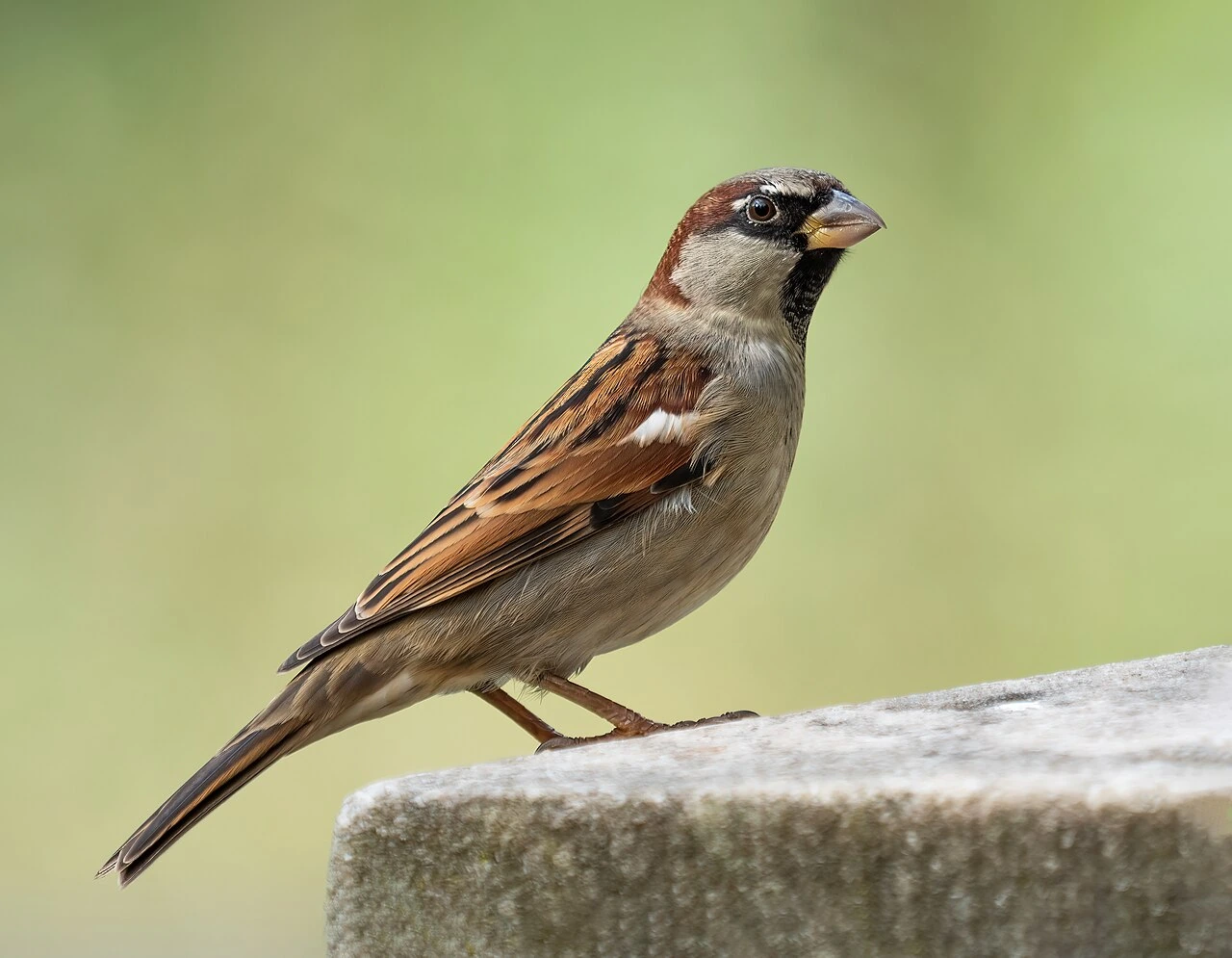
What Does a Sparrow Bird Look Like? Easy ID Guide
Learn what a sparrow looks like, spot common ID marks, and distinguish look-alikes from finches, wrens, and juveniles.
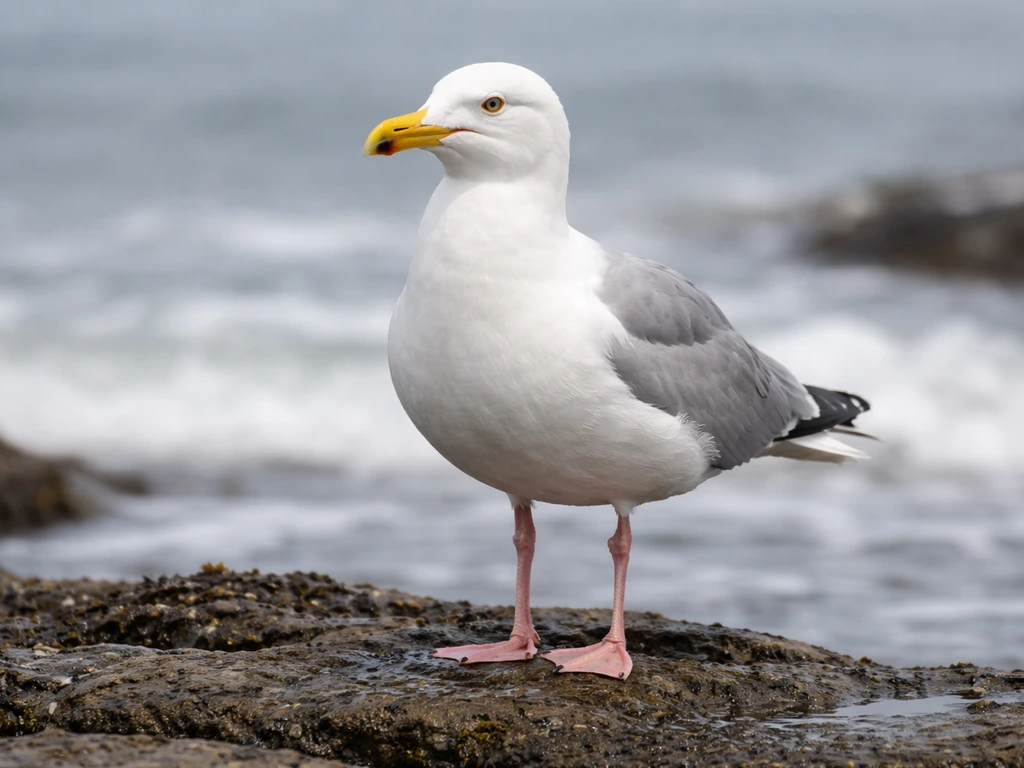
What Does a Herring Bird Look Like? Herring Gull ID Guide
Learn what a herring bird likely is: clear herring gull ID guide with key marks, plumage differences, and lookalike comp
What Does a Hawk Bird Look Like? Key Field Marks to Spot
Learn key field marks for spotting hawks, compare to eagles falcons buzzards, and confirm with photos and angles.