If you're looking at a gray-brown bird with a longish tail and thinking 'that looks like a mockingbird but something's off,' you're probably looking at one of three birds: the Brown Thrasher, the Gray Catbird, or an actual Northern Mockingbird that's missing its obvious white wing flash at the wrong angle. These three species are the classic look-alike trio, and separating them comes down to a handful of specific field marks you can check in under a minute. Some birds are often mistaken for seagulls too, so checking shape and posture can help if you're wondering what bird looks like a seagull.
What Bird Looks Like a Mockingbird? Brown Look-Alikes

Marcus Whitley
6 Jul 2026
The brown mockingbird look-alikes at a glance
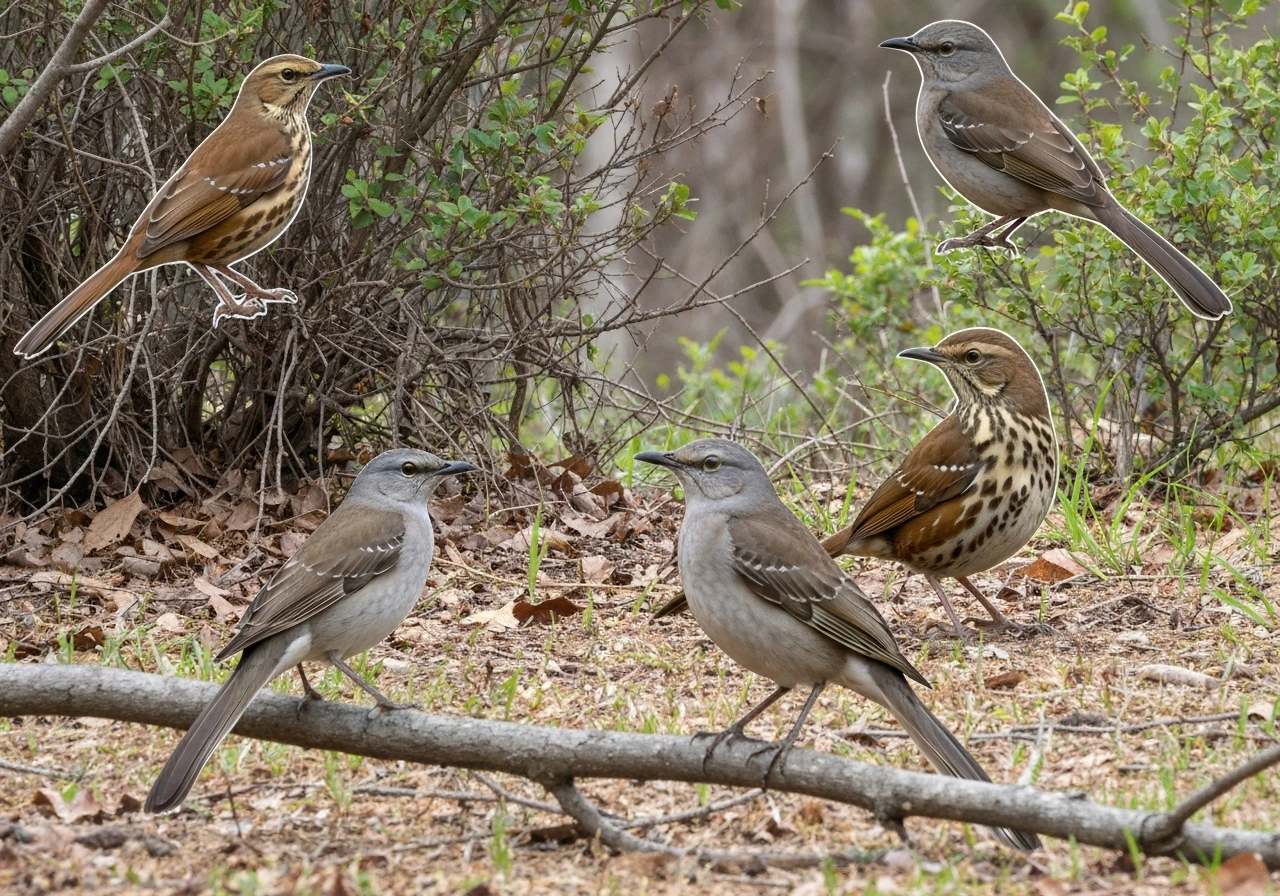
The Northern Mockingbird itself is technically gray-brown, so part of the confusion is that people expect mockingbirds to look more obviously distinctive than they are when perched quietly. The three most common birds people confuse with a 'brown mockingbird' are the Brown Thrasher, the Gray Catbird, and occasionally a Sage Thrasher in western states. Each one shares the same general silhouette: medium-sized, long-tailed, and usually seen alone hopping through shrubby areas or perched upright on a fence or branch.
| Bird | Overall Color | Key Mark | Bill Shape | Tail Behavior |
|---|---|---|---|---|
| Northern Mockingbird | Gray-brown above, pale below | White wing patches, white outer tail feathers | Short, slightly curved | Held level, flicked to flash white |
| Brown Thrasher | Rich rufous-brown above, streaked below | Two white wing bars, heavy dark streaking on breast | Long, noticeably curved | Long, often cocked or drooped |
| Gray Catbird | Smooth slate-gray, black cap | Chestnut patch under tail (undertail coverts) | Short, straight | Rounded, often cocked upward |
| Sage Thrasher | Gray-brown above, lightly streaked below | Thin white wing bars, pale yellow eye | Shorter than Brown Thrasher but still curved | White-tipped outer feathers, pumped in flight |
Key visual traits to compare
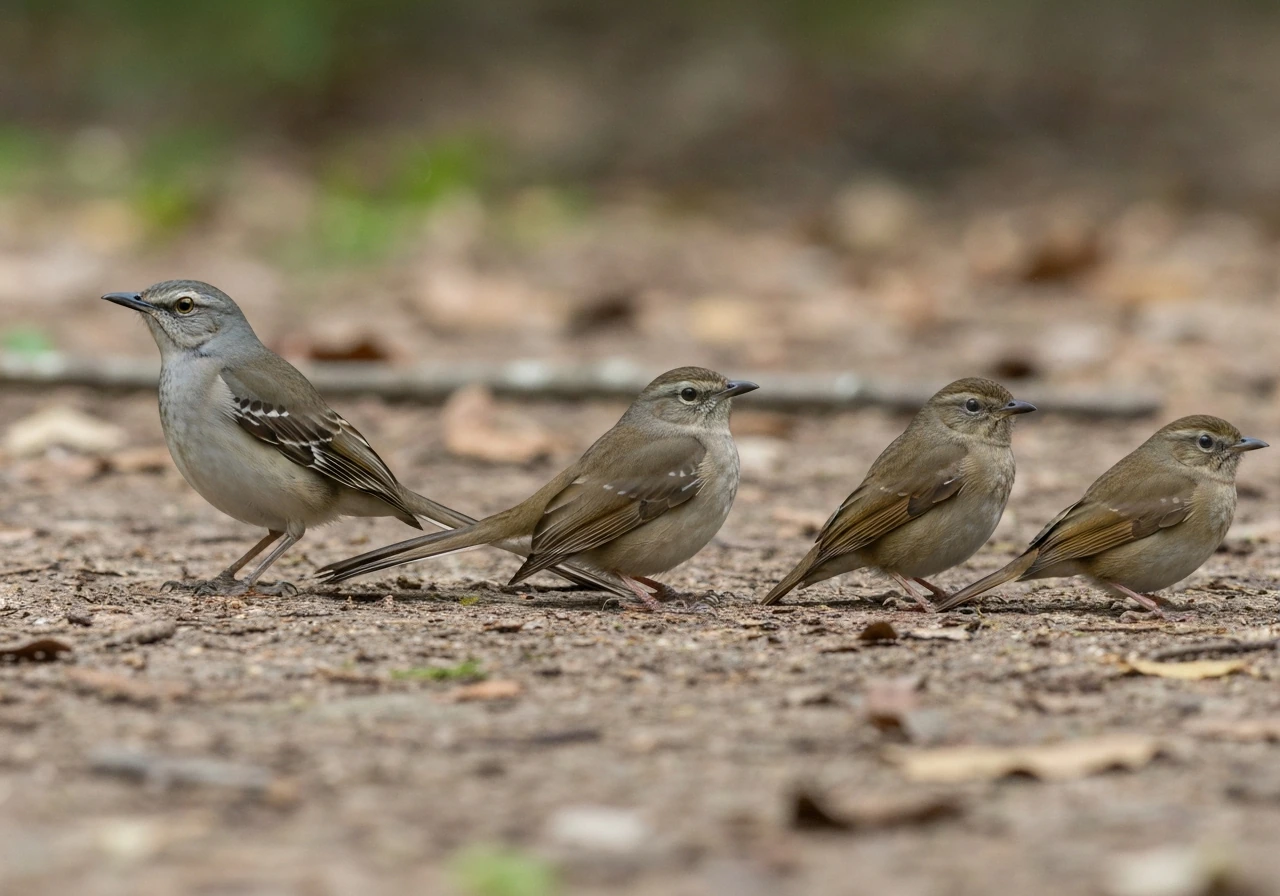
Start with size and shape before you worry about color. A Northern Mockingbird is a medium-sized bird, roughly robin-sized but slimmer and longer in the tail, with a fairly upright posture when perched. Robin-sized birds can look similar at a glance, but once you compare the field marks, you can tell what you are actually seeing. Its bill is short and slightly curved, almost finch-like compared to its thrush cousins. The Brown Thrasher is noticeably bigger-feeling, and that bill is the giveaway: long, noticeably downcurved, almost like a mini-heron compared to the mockingbird's stubby beak. The Gray Catbird splits the difference in size but looks sleeker and more uniform, without the length drama of either.
The tail is your second quick anchor. All three have long tails, but the mockingbird's tail is dark gray with bright white outer feathers that flash when it moves. The thrasher has a long, richly brown tail that's often held loosely down or slightly cocked. The catbird's tail is shorter in proportion and tends to get cocked upward when the bird is alert, like a wren in slow motion. Wing bars matter too: the mockingbird shows two white wing bars plus a white crescent at the base of the primary feathers, creating that distinctive white patch you see in flight. The thrasher also has two white wing bars, but on a rufous-brown wing rather than gray.
Plumage pattern clues: plain, streaked, or mottled
This is honestly the fastest way to split the trio. Flip your attention to the underparts. A mockingbird's belly and breast are pale and essentially plain, maybe faintly washed gray but with no streaks or spots. A Brown Thrasher has a buff-white belly with heavy, dark brown streaking running down the breast and belly, almost like it's wearing a striped shirt underneath its plain brown back. The catbird's underparts are smooth and plain gray all over, with one hidden detail: a rich chestnut-red patch tucked under the tail. You won't always see it, but if the bird lifts its tail or hops just right, that rust patch is unmistakable.
So a simple three-way plumage check looks like this: plain gray below with white wing flash (mockingbird), streaked brown below with rufous back (thrasher), or smooth uniform gray with a black cap (catbird). If your goal is to compare broader “flamingo-like” birds, that framing can help you choose the right species to look up flamingo-like birds. If you can see the underparts, you can usually make the call in seconds.
Eye color as a bonus clue
If you get a decent look at the face, eye color helps. The Brown Thrasher has a striking yellow eye that really stands out against its rufous face. The Gray Catbird has a dark eye that blends into its gray face. The Northern Mockingbird's eye is pale yellow, similar to the thrasher's but set in a grayer face. It's a subtle clue but useful when you have a photo or a bird sitting still.
Habitat and behavior checks to narrow it down fast
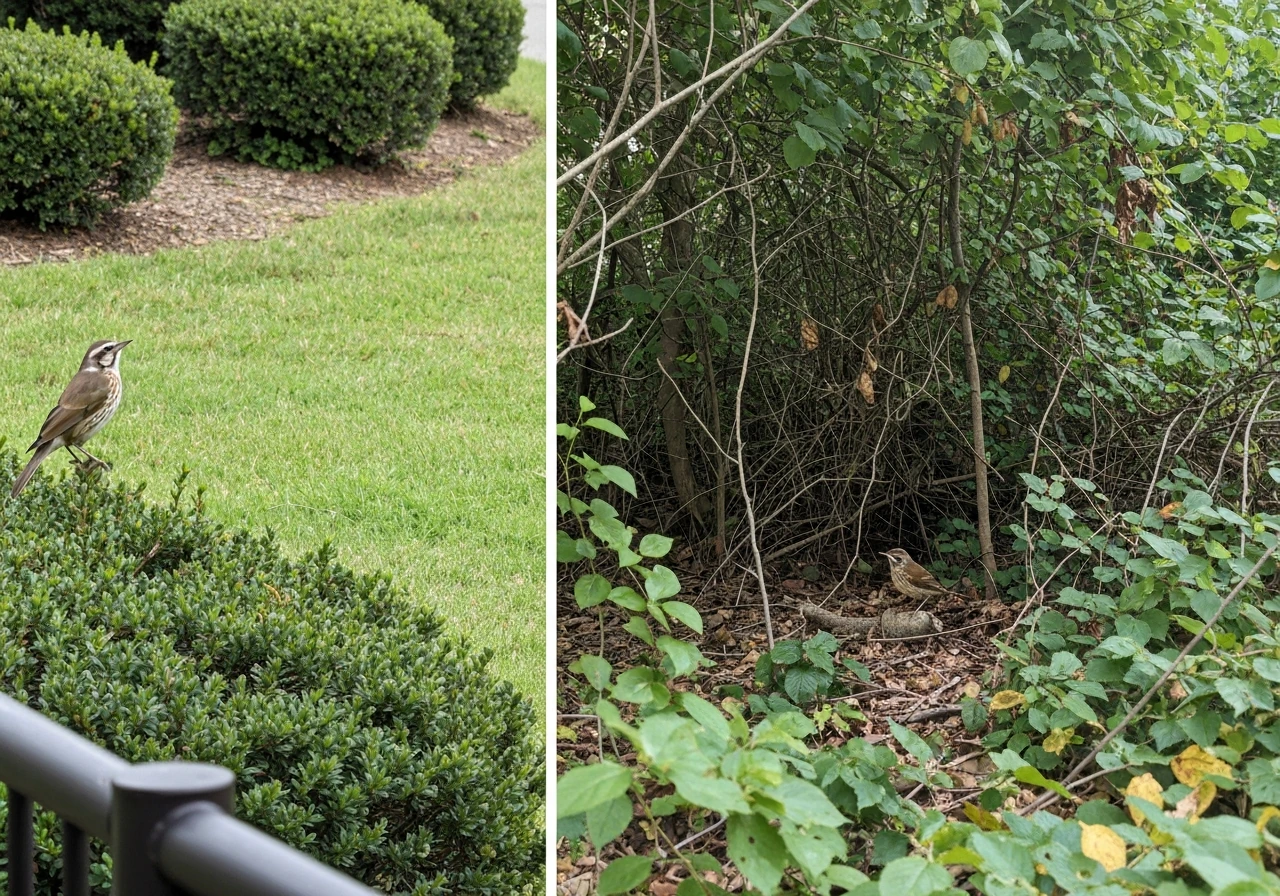
Where you see the bird and what it's doing tells you a lot before you even study the plumage. Mockingbirds love open areas: lawns, parks, roadsides, suburban yards with low shrubs. They perch conspicuously on fence posts, utility wires, and rooftop edges, often alone, and they're bold. One of their signature moves is stopping mid-forage to lift and flick their wings deliberately, flashing those white patches. It looks intentional because it probably is. They're also famously loud singers, repeating each phrase two to six times before cycling to the next one.
blank" rel="noopener noreferrer">Brown Thrashers prefer denser cover: thickets, woodland edges, brushy backyards. Instead of perching in the open, they tend to stay low and work the ground, literally thrashing through leaf litter with that curved bill, tossing leaves and debris sideways to find insects underneath. If you see a bird aggressively flipping leaves on the forest floor, it's almost certainly a thrasher, not a mockingbird. Thrashers also sing loudly from high perches, but they typically repeat phrases in pairs rather than long runs like a mockingbird.
Gray Catbirds are sneaky. They love dense tangles, thickets along stream edges, and overgrown hedgerows. They don't usually perch in the open the way mockingbirds do. The giveaway is the voice: a whiny, cat-like mewing sound that's completely unlike anything a mockingbird does. If you hear what sounds like a small cat complaining from inside a shrub, that's your catbird. They also make a sharp 'check-check' alarm call. Once you've heard it, you'll never mistake it for a mockingbird's bold singing.
How to confirm using photos and location
The fastest confirmation workflow right now is to take the clearest photo you can (even a phone shot works) and run it through Merlin Bird ID's Photo ID feature. When using Merlin Bird ID, also add your observations like size, color, activity, habitat, voice, wing shape, and tail shape along with your photo.
Merlin pulls from millions of documented bird photos and is trained to recognize these exact species. The key is to make sure your location and date are correct when you submit, because range data is a huge part of how it narrows things down. Brown Thrasher range map is available in [All About Birds’ “maps-range” section](https://www. allaboutbirds.
org/guide/Brown_Thrasher/maps-range) and can be used as a distribution reference or overlap check. A 'brown mockingbird' in Georgia in summer almost certainly isn't a Sage Thrasher. Location cuts the candidate list in half before you even look at feathers.
If you want a second opinion or community confirmation, uploading to iNaturalist works well. The app reads the timestamp and GPS coordinates from your photo's metadata automatically if your phone had location on, which means you don't have to enter anything manually. Community identifiers on iNaturalist are genuinely good at these look-alike IDs and will usually confirm or correct within a day or two.
Field marks to double-check before you submit
Before you upload your photo or fill in an app, run through this quick mental checklist. It takes thirty seconds and makes your submission much more useful. Some people also wonder what bird looks like a hummingbird, but that look is usually about body shape and behavior rather than the same species clues as these mockingbird look-alikes.
- Underparts: plain and pale, or streaked brown, or smooth gray?
- Bill: short and slightly curved (mockingbird/catbird), or long and strongly downcurved (thrasher)?
- Wing pattern: obvious white patches or crescent, white wing bars on a brown wing, or barely any contrast?
- Tail: did you see white outer tail feathers flash, or was the tail solid brown/gray?
- Cap: does the bird have a black cap (catbird) or no obvious cap?
- Undertail: any rust-red patch visible under the tail (catbird)?
- Behavior: flicking wings and singing in the open, thrashing leaf litter on the ground, or hiding in dense shrubs and mewing?
- Location: what state or region are you in, and what habitat (open yard, forest edge, thicket)?
- Season: breeding season vs migration can shift which species are likely present
If the bird looked brown overall with streaks on the belly, lean toward Brown Thrasher. If it was smooth gray with a black cap and you heard a cat-like sound, it's almost certainly a Gray Catbird. If it kept flashing white patches on the wings or tail and was singing boldly in the open, you were probably looking at an actual Northern Mockingbird all along.
If you see a bird flashing conspicuous white wing patches and it fits the behavior, Reddit birders note that can be a diagnostic field mark for Northern Mockingbird flashing white patches on the wings or tail. If you’re really asking, “what bird looks like a robin,” the closest everyday match is often a Northern Mockingbird or Brown Thrasher depending on the pattern and the white wing flashes actual Northern Mockingbird.
These three birds are among the most commonly confused in North American backyards, but the streaked belly and curved bill of the thrasher, the hidden rust patch and cat voice of the catbird, and the white wing flash of the mockingbird make them very separable once you know exactly where to look.
FAQ
If I only see the bird briefly, what single field mark should I check first for a brown mockingbird look-alike?
Check the underparts and tail at the same time. Mockingbirds look plain below and flash white from the wings or outer tail feathers, Brown Thrashers show streaking on the belly and breast, and Gray Catbirds look uniformly gray below (with that chestnut-red patch hidden under the tail).
What if the bird is perched in a way that I cannot see the underparts or tail?
Rely on posture and face cues. Northern Mockingbirds usually sit more upright and show the classic white wing flash when they move, Brown Thrashers feel larger and have a noticeably downcurved bill, and Gray Catbirds often look sleeker and more uniform even when you cannot see the rust patch.
Can a Northern Mockingbird be mistaken for a thrasher when the white wing flash is not obvious?
Yes, especially in poor lighting or if the bird is still. If you see gray-brown plumage but cannot catch wing flash, shift to the bill and underparts, and then use behavior. Thrashers tend to thrash through leaf litter and show belly streaks.
How do I tell a Brown Thrasher from a Northern Mockingbird if both seem to have long tails?
Focus on the tail hold and the bill shape. Thrashers often hold the tail down or slightly cocked and have a longer, clearly downcurved bill, while mockingbirds often look more upright and flash bright white outer tail feathers during motion.
What should I listen for if I cannot get a clear photo?
Use sound to separate the trio. Gray Catbirds typically make a cat-like mewing from dense shrubs and a sharp “check-check” alarm, Mockingbirds are bold and repeat phrases in longer runs, while Brown Thrashers sing but often in more paired phrase patterns and are frequently active on the ground.
Are there seasonal changes that make these birds harder to identify?
Yes. In some seasons, wear and lighting can dull contrasts like the white wing flash or the clarity of belly streaking. When that happens, prioritize bill shape, tail-cock tendency, and whether the bird’s behavior is open-area perching (mockingbird) versus ground thrashing in leaf litter (thrasher).
What’s the most common mistake when using a bird ID app for these look-alikes?
Submitting without correct location and date. Range assumptions are a big filter, so a “brown mockingbird” seen in the wrong state or month can push the app toward the less likely species.
Does iNaturalist always get the ID right for these species?
Not always, especially if the photo angle hides the underparts or wing flash. It often does well with community consensus, but if comments disagree, look for the exact spot they mention (tail rust patch visibility for catbirds, belly streaking for thrashers, or wing flash timing for mockingbirds).
If the bird was in a backyard, do these same three species still apply?
Usually yes in North America, but the habitat behavior matters. Mockingbirds tend to work lawns and open suburban shrubs with conspicuous, upright perching, while Brown Thrashers and Gray Catbirds are more tied to denser cover and more secretive, shrub or ground-foraging activity.
When would I suspect a different bird instead of these three look-alikes?
If the bird lacks the key “signature” you can verify quickly, like no belly streaks (thrasher) and no uniform gray below with a possible hidden rust patch (catbird), and you also never see wing or outer-tail white flash (mockingbird). In that case, take more photos from different angles and let an app or expert narrow it down.
Next Articles
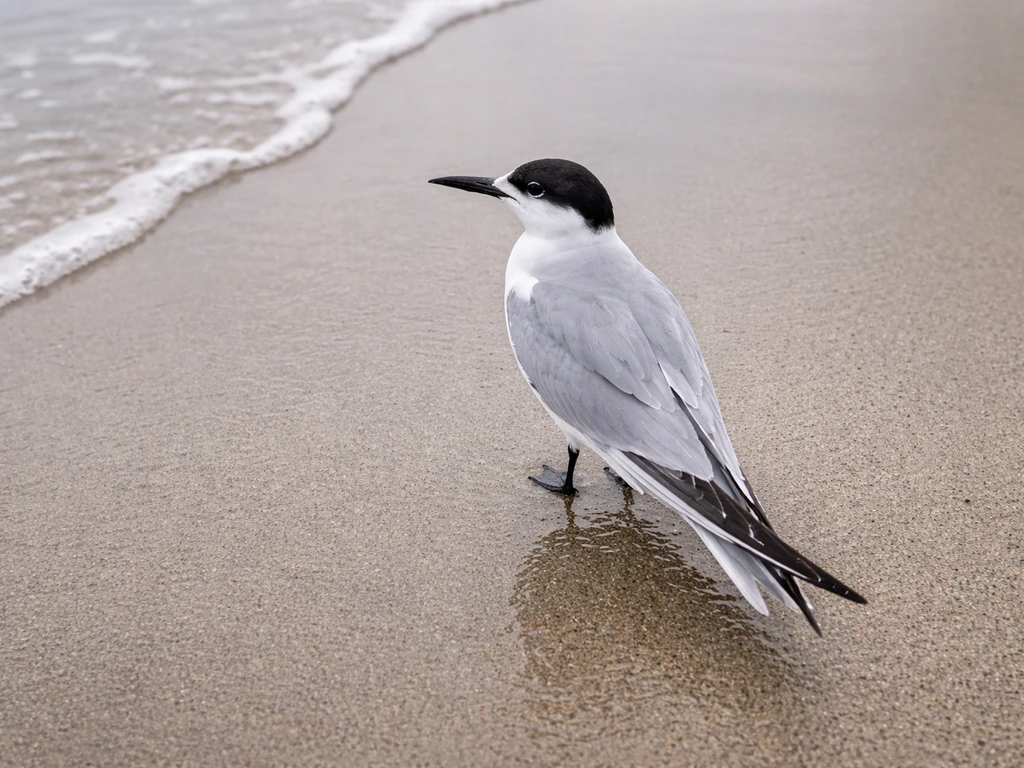
What Bird Looks Like a Seagull? Quick ID Guide
Quickly identify gull, tern, and seagull lookalikes by size, silhouette, wing and tail shape, and key field marks.
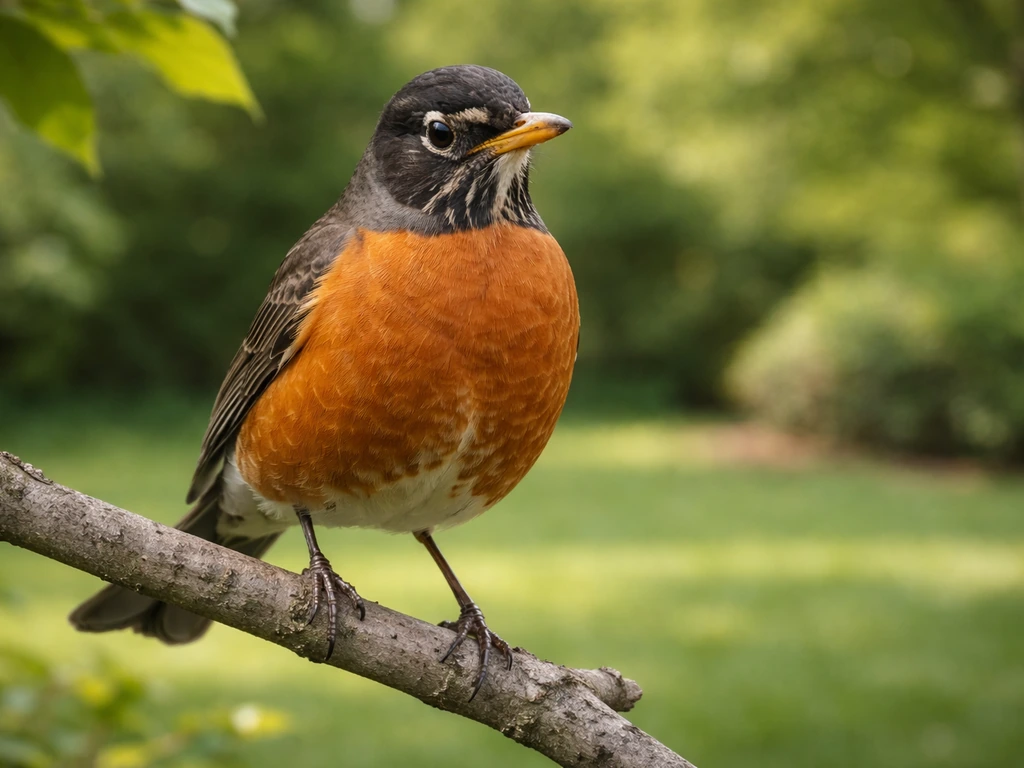
What Bird Looks Like a Robin: Easy Identification Guide
Identify robin lookalikes fast with plumage, size, bill and habitat clues, including big-robin confusion cases.
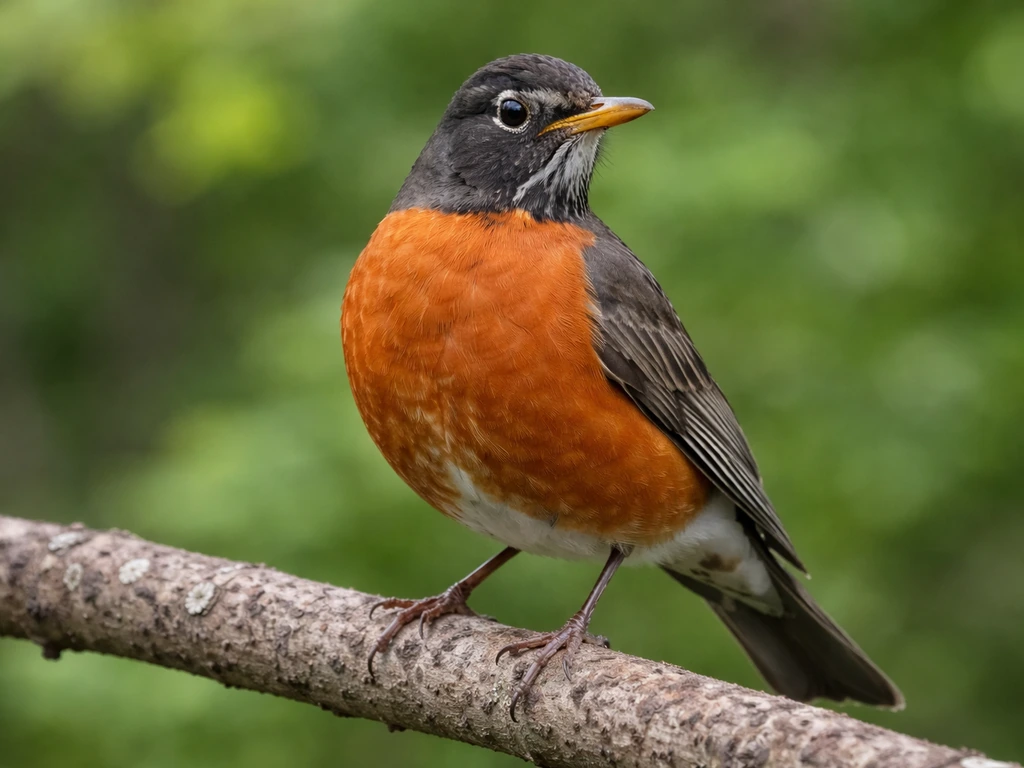
What Does a Robin Bird Look Like? Male vs Female Guide
Learn how robins look: male vs female color patterns, size, body markings, juveniles, and quick look-alike checks.