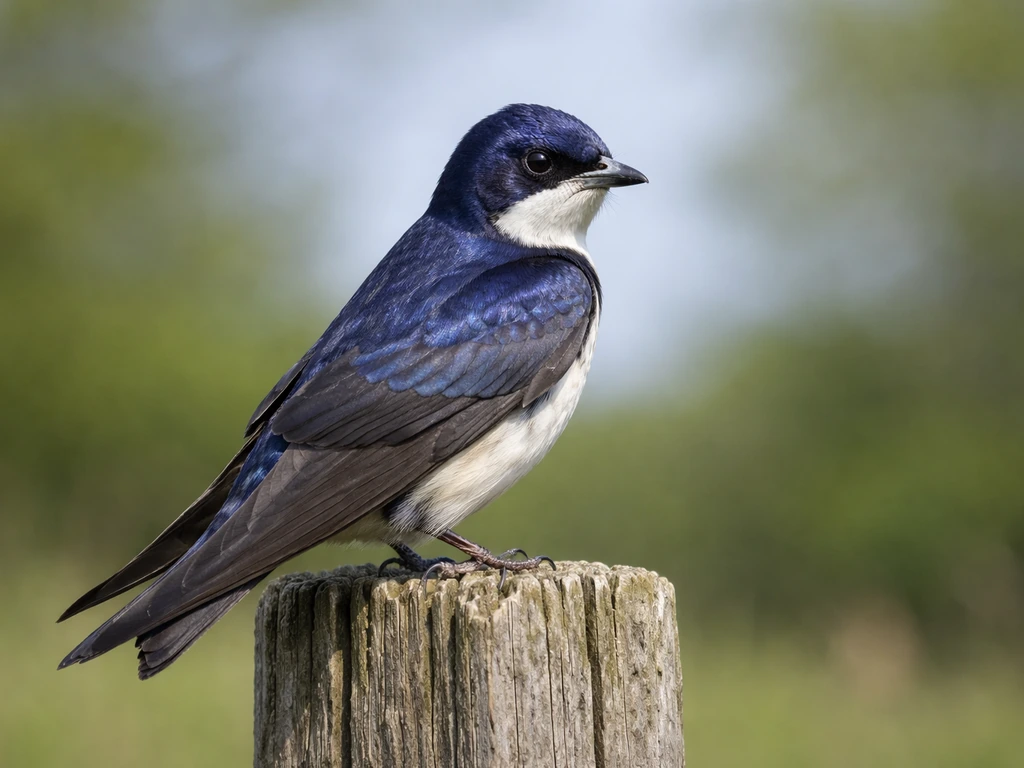
Buntings are small, compact seed-eating birds that typically combine a short, thick bill (built for cracking seeds), a stocky body about the size of a large sparrow, and some of the most vivid color contrasts you'll see on a small bird. If you want a quick comparison to a different bird with a distinctive look, see what does a purple martin bird look like before you narrow down your candidate species. The catch is that 'bunting' covers several different species rather than one single bird, and depending on whether you're in North America or Europe, the birds that get called buntings look quite different from each other. The good news is that once you know the handful of shapes, patterns, and color clues that show up consistently across the group, you can narrow down what you're looking at pretty fast.
What Does a Bunting Bird Look Like A Field Guide

What 'bunting bird' actually means
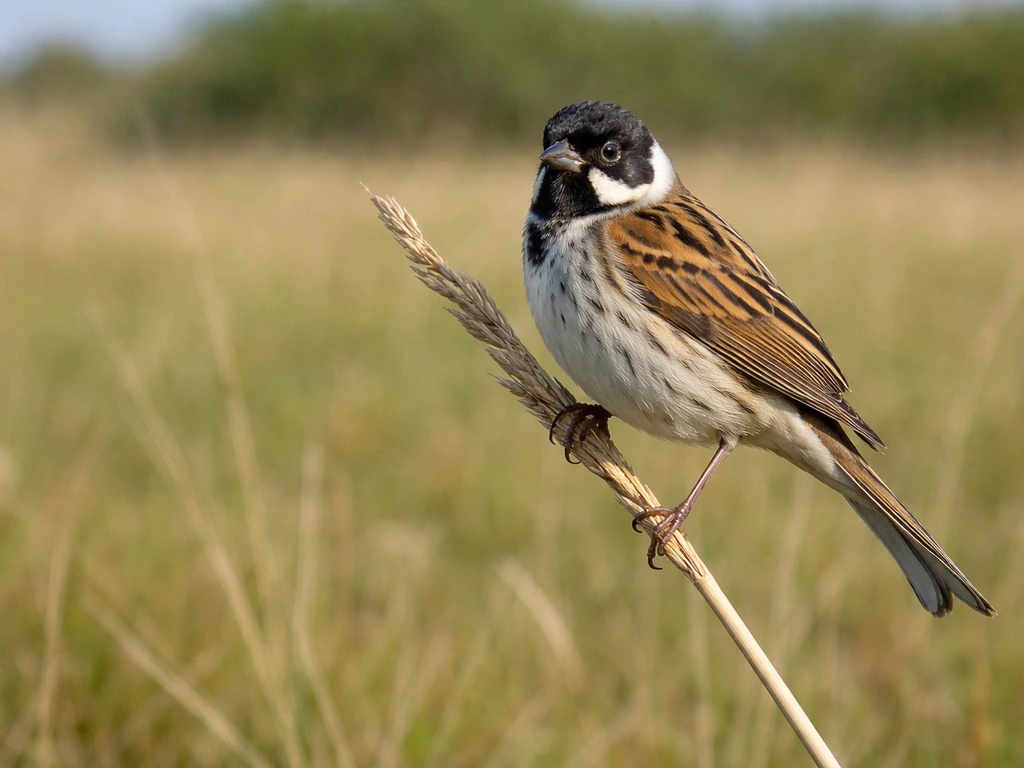
Bunting is a loose common name, not a single tidy species. In Europe, buntings are mostly members of the Emberiza family: streaky, sparrow-like birds that live in open country, with names like Yellowhammer, Reed Bunting, and Corn Bunting. In North America, the birds most people call buntings are actually a different group entirely. Indigo Bunting, Painted Bunting, and Snow Bunting are all treated as separate species in North American field guides, and they look dramatically different from each other and from European buntings. There's also the Lapland Bunting (sometimes called Lapland Longspur), which shows up in both Europe and North America in winter and bridges those two worlds a bit. The Lapland Bunting’s scientific name is Calcarius lapponicus, and it is often treated as a “bunting” in European birding. So when you're trying to figure out what a bunting looks like, the most useful first question to ask yourself is: where am I, and what season is it?
The general bunting look
Most buntings share a recognizable body plan. Think small and chunky: roughly sparrow-sized, somewhere between 5 and 7 inches long, with a round head, a short neck, and a body that looks a little plump. The bill is the standout structural feature. It's short, cone-shaped, and noticeably deep at the base, which is exactly what you'd expect from a bird that spends its life cracking open seeds. Compared to a warbler's thin, pointy bill or a thrush's longer bill, a bunting's bill looks stubby and powerful. The tail is medium-length and tends to look slightly notched at the tip. In flight, buntings move in an undulating, bouncy pattern, which is a good behavioral cue when you can't see color clearly.
The fastest field marks to look for
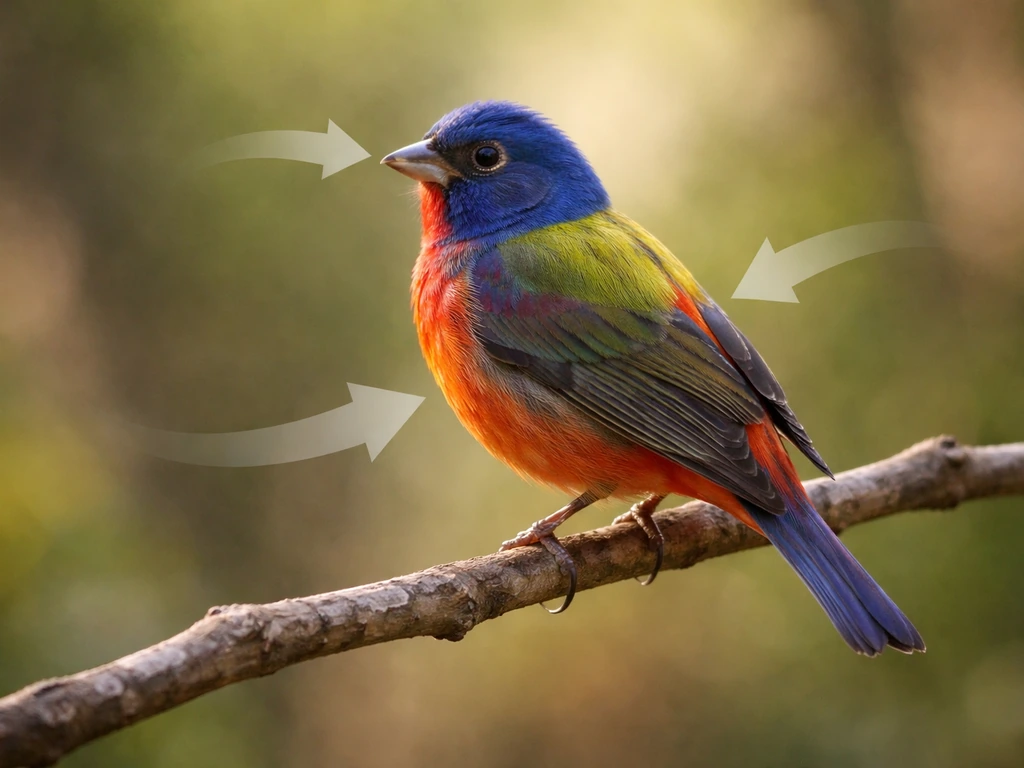
When you spot a small bird and you're wondering if it's a bunting, run through these features in order. Head pattern first: many buntings have bold markings on the face, whether that's a striking solid color like the electric blue of an Indigo Bunting male, the complex chestnut-and-black hood of a Lapland Bunting in breeding plumage, or the pale supercilium (eyebrow stripe) and dark lateral crown stripes common in Old World species. Throat and breast next: look for a clean, unstreaked breast in many male buntings versus a streaked or washed breast in females and juveniles. Wing bars are another quick check: some buntings show one or two distinct white or pale wing bars, while others (like the male Indigo Bunting) show very little wing patterning at all.
Back and rump color often clinch an identification. Male Painted Buntings have a vivid green back that's almost unreal-looking. Yellowhammers have a bright yellow-and-chestnut rump. blank" rel="noopener noreferrer">Snow Buntings always show a large block of white on the inner wing with contrasting black wingtips, visible both perched and in flight. The tail is worth checking too: Snow Buntings have a distinctive black-and-white tail pattern, while Reed Buntings flash white outer tail feathers when they fly. These structural color blocks are often more reliable than subtle shade differences, especially in poor light.
Quick species snapshot: what some common buntings look like
| Species | Male breeding look | Female look | Key field mark |
|---|---|---|---|
| Indigo Bunting | Deep blue all over, almost no wing pattern | Plain warm brown, faint streaking on breast | Solid blue (male) or plain brown with hint of blue on wings (female) |
| Painted Bunting | Green back, red underparts, blue head | Bright lime green all over | Only small North American bird with red + blue + green |
| Snow Bunting | Crisp white body, black back and wingtips | White with brown-buff wash on head and back | Large white wing patches visible in flight |
| Yellowhammer (Europe) | Bright yellow head and underparts, chestnut streaked back | Duller yellow, heavier streaking | Yellow head + chestnut rump |
| Reed Bunting (Europe) | Black head and throat, white collar | Brown streaked, pale supercilium | Male's black hood; white outer tail feathers in both sexes |
| Lapland Bunting | Black face and throat, chestnut nape, white flanks | Streaky brown, chestnut nape patch | Chestnut nape; rusty wing panel |
How plumage changes by season, sex, and age
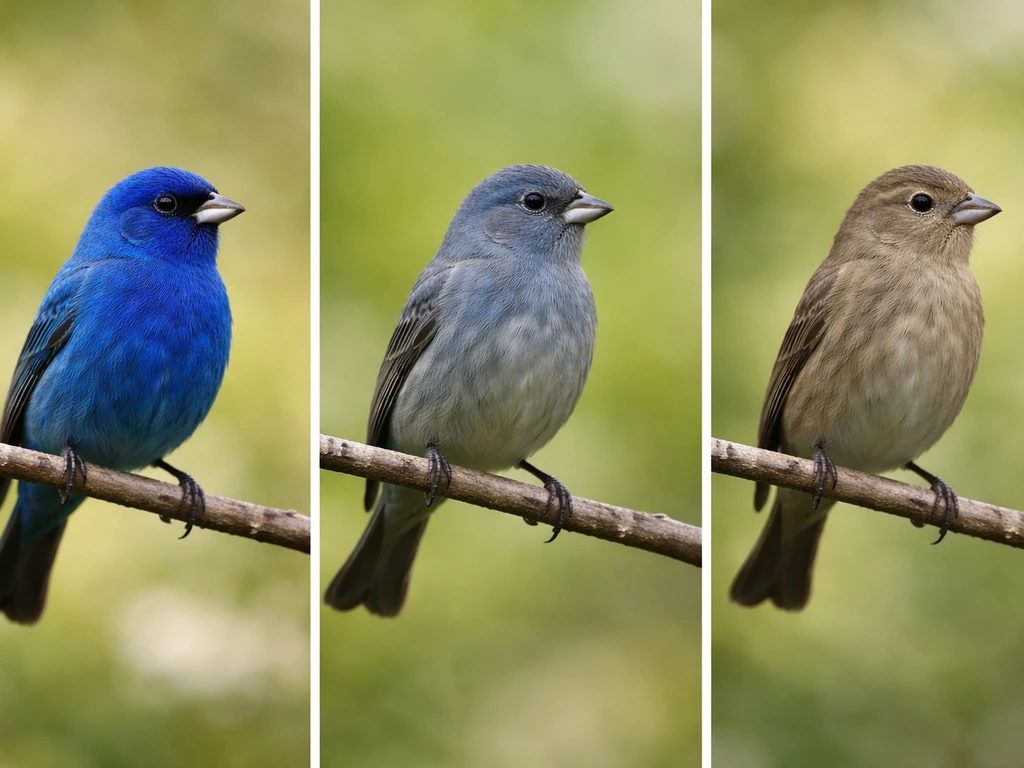
Male buntings in breeding plumage (spring and summer) are usually the ones that stop you in your tracks. The colors are at peak intensity: the Indigo Bunting's blue looks almost painted on, and the Painted Bunting male is genuinely one of the most colorful birds in North America. Indigo Bunting is the species you can use to answer the question of what an indigo bunting bird looks like, especially when you spot the male’s bright blue coloration what an indigo bunting bird look like. But outside of breeding season, or when you're looking at females or young birds, the picture changes a lot.
Female buntings are almost always more cryptically colored than males, typically showing warm brown tones with varying degrees of streaking on the breast and back. A female Indigo Bunting is plain brown with just a faint bluish tint on the wings and tail if you catch her in good light. Female Painted Buntings are an unusual exception: they're a bright, almost luminous lime green, which stands out even without the red-and-blue combination of the male. In winter, even the males of many species tone down significantly. A male Indigo Bunting in fall migration can look mostly brown with just patches of blue coming through. Snow Bunting males in non-breeding plumage develop a warm buffy-brown wash over the crown and back, though the white wing panels remain.
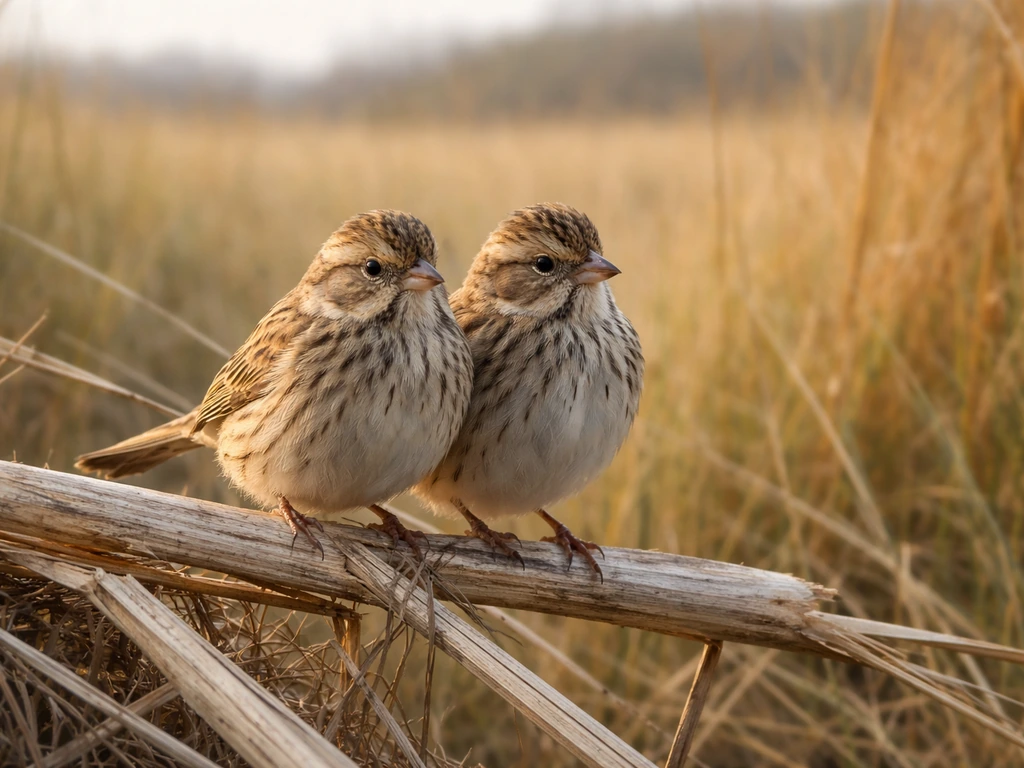
Juveniles are trickiest. Young buntings of most species look like washed-out, heavily streaked versions of adult females. They often show a soft buffy ground color with dark streaking on the breast and back, and the bold adult head patterns haven't come in yet. If you see a small streaky brown bird with a seed-eater's bill and you can't place it, juvenile bunting is always worth considering alongside juvenile sparrow.
Telling buntings apart from sparrows, finches, and other lookalikes
This is where most beginners get stuck, because sparrows, finches, and buntings all share that small-stocky-seed-eater body plan. Here are the clearest ways to separate them. A martin, such as a purple or brown martin, has a very different look from a bunting, with a darker body and a more streamlined silhouette what does a martin bird look like.
- Bill shape is your first separator: bunting bills are deep at the base and curve slightly toward the tip, giving them a rounded, convex upper edge. Finch bills (like a goldfinch or siskin) tend to be more pointed and thinner. House Sparrow bills are also conical but tend to look heavier and broader in a slightly different proportion.
- Head pattern complexity: many sparrows show fine, intricate streaking on the crown, often with a central crown stripe. Male buntings in breeding plumage more often show bold, solid-color head blocks rather than fine streaks.
- Breast pattern: breeding male buntings frequently have a clean, unstreaked breast. Sparrows almost always have streaking on the breast or at least spots on the chest. If the breast is solid-colored and unstreaked on a small bird, lean toward bunting.
- Tail behavior: buntings like Reed Buntings regularly pump or fan their tails, flashing the white outer feathers. Sparrows don't do this as characteristically.
- Color intensity: the vivid, saturated color of male buntings like Indigo or Painted has no real equivalent among sparrows or most finches in the same size range. If the blue looks electric or the red looks almost tropical, you're likely looking at a bunting.
- Habitat context: sparrows are often skulking in dense brush or hopping in leaf litter. Many buntings sing from exposed perches or feed in open weedy fields, which makes them easier to observe fully.
The comparison to similar brightly colored birds matters too. A male Indigo Bunting can be mistaken for a Blue Grosbeak, but the grosbeak is noticeably larger, has a much heavier bill, and shows two chestnut wing bars. The male Scarlet Tanager also gets confused with Painted Bunting in poor light, but the tanager is bigger, has a yellow-green bill rather than a conical seed-eater bill, and lacks the blue head entirely.
Where to look and what season to expect them
Geography is one of the biggest identification shortcuts. If you're in the eastern United States in summer, Indigo Bunting is by far the most likely bunting you'll encounter: look in weedy fields, brushy forest edges, and overgrown roadsides, where males perch high and sing persistently. In the southern and southeastern US, Painted Bunting breeds in thickets and woodland edges and is a regular feeder visitor in those areas. Snow Buntings are a winter bird across northern latitudes in both North America and Europe, showing up in flocks on open ground, beaches, and agricultural fields. You're unlikely to see Snow Buntings in July in most of the US, but in January on a windswept lakeside or coastal field they're a realistic find.
In Europe, Yellowhammers favor hedgerows and farmland, singing from the top of bushes from spring through summer. Reed Buntings are almost always near water: reedbeds, wet meadows, and marshy scrub. Corn Buntings prefer open arable farmland and are increasingly scarce. The Lapland Bunting visits in winter, typically in flocks on coastal marshes and short-grass fields, sometimes mixed in with Shore Larks or Skylarks. Knowing the habitat narrows your candidates down quickly before you even raise your binoculars.
Quick ID checklist and what to photograph
When you see a small bird you think might be a bunting, run through this checklist mentally or jot it down in a notebook. The more boxes you can check, the more confident your identification will be.
- Bill: Is it short, deep, cone-shaped, with a slightly curved upper edge? (Yes = bunting territory)
- Size: Is it roughly sparrow-sized, between 5 and 7 inches, with a round head and stocky body?
- Head: Is there a bold solid-color block, a contrasting hood, or a strong supercilium and lateral crown stripe?
- Breast: Is the breast clean and unstreaked (likely male in breeding plumage) or softly streaked (female, juvenile, or non-breeding)?
- Wing: Do you see distinct wing bars? A large white wing patch? A rusty panel?
- Tail: Are the outer tail feathers white? Is there a black-and-white tail pattern?
- Back and rump: Is there a contrasting rump color (chestnut, yellow, white)?
- Overall color: Is there any vivid, saturated color (electric blue, red, lime green, bright yellow) that seems intense for a small bird?
- Behavior: Is it singing from an exposed perch, feeding in an open weedy field, or flying with a bouncy undulating pattern?
- Location and season: Does the habitat and time of year match a known bunting species for your region?
For photography, try to get shots from multiple angles if you can. The most valuable photos for later identification are: a clear side profile showing the full bill shape and head pattern, a view of the breast showing whether it's streaked or plain, a shot of the bird in flight from below or above to capture wing pattern and tail pattern, and a back view to show rump and back color. Even a blurry photo that shows the head pattern and bill shape clearly is more useful than a sharp photo of the bird's tail. If you can only get one shot, aim for the face.
Once you've got your notes and photos, searching by the specific species name will get you much further than 'bunting bird. After you confirm it is a bunting, you can keep your search focused by comparing photos to what a budgie looks like what a budgie bird looks like. ' If you think you saw something blue, look up Indigo Bunting. If it was wildly multicolored, start with Painted Bunting. If it was a winter flock of white-and-black birds in an open field, Snow Bunting is your first search. Narrowing from 'bunting' to a specific species makes the whole identification process much faster and more satisfying.
FAQ
Can I tell what a bunting looks like from a photo even if it might be different species groups?
Not reliably, because “bunting” is used for several different groups and males vs females, juveniles, and seasonal plumage can look completely different. A better approach is to use location and season first, then check the bill (stubby and deep at the base) plus breast streaking (often plain on adult males, streaked on females/young).
What if the colors in the bird look washed out, what clues can I use to identify a bunting?
Yes. If the bird has a bouncy, undulating flight and a short cone-like seed-eater bill, it strongly supports a bunting candidate, even when lighting makes colors hard to judge. Still confirm with wing bars, head markings, and the tail pattern once the bird perches.
How do I identify a juvenile bunting when it looks like a plain streaky brown bird?
Yes, beginners often confuse juveniles with other seed-eaters because they look like streaky brown sparrows. Focus on the bill shape (stocky, short, conical) and look for any adult-like head pattern starting to appear. Also compare habitat, since many buntings have strong habitat ties (for example, Old World reedbeds for reed buntings).
What are the most common look-alikes, and what single trait should I check first?
If the bird looks “bunting-like” but is noticeably larger and has a heavier, thicker bill, reconsider finch or grosbeak candidates. For example, a male Indigo Bunting can resemble a Blue Grosbeak, but the grosbeak usually appears bigger with a more robust bill and clearer wing-bar patterning.
Do all buntings have wing bars, and can wing bars be misleading?
For most bunting species, wing bars are helpful but not universal. Some males show very little wing patterning, so if you only see “no wing bars,” that does not rule out a bunting. Use a combination: bill shape, head markings, breast streaking, and rump or back color when possible.
Why might a blue bunting look brown or dull in the field?
It happens a lot. Many “blue” buntings look brown outside breeding season or in poor light. If you suspect Indigo Bunting but the bird is mostly brown, look for subtle blue tones on the wings or tail and compare the head pattern and bill shape rather than relying on brightness alone.
How should habitat guide the identification if I’m unsure which bunting it is?
Start by checking whether the habitat matches the likely bunting for your region. If you are in North American winter and see a white-and-black flock on open ground, Snow Bunting becomes a strong candidate. In summer, eastern US weedy edges often point toward Indigo Bunting, while thickets and woodland edges in the south are more consistent with Painted Bunting.
What photo angle is most useful when I only get one shot?
If your only photo is blurry, prioritize the face and bill. A sharp tail alone is less useful because tail patterns can be hard to see consistently in motion. Aim to capture the bill depth (seed-cracking look) and any supercilium or crown stripes that show even in low detail.
Should I search using “bunting bird” or a specific species name when I get home?
Because some bunting names overlap across regions, double-check your species list by matching both geography and timing. A “Lapland Bunting” in winter may fit your location, but it can also be called Lapland Longspur, and it can bridge North America and Europe, so search terms should include both common names.
When should I stop assuming the bird is a bunting and reconsider other groups?
If the bird has the chunky seed-eater bill and sparrow-sized body plan but lacks the expected head pattern or flight behavior, don’t force the ID. Re-check for similar small seed-eaters, and consider that habitat may rule buntings in or out before you even confirm details.
What Does a Martin Bird Look Like? Key ID Features
Quick checklist and ID tips for martin birds, including key plumage, tail, mask, and how to tell them from swallows.