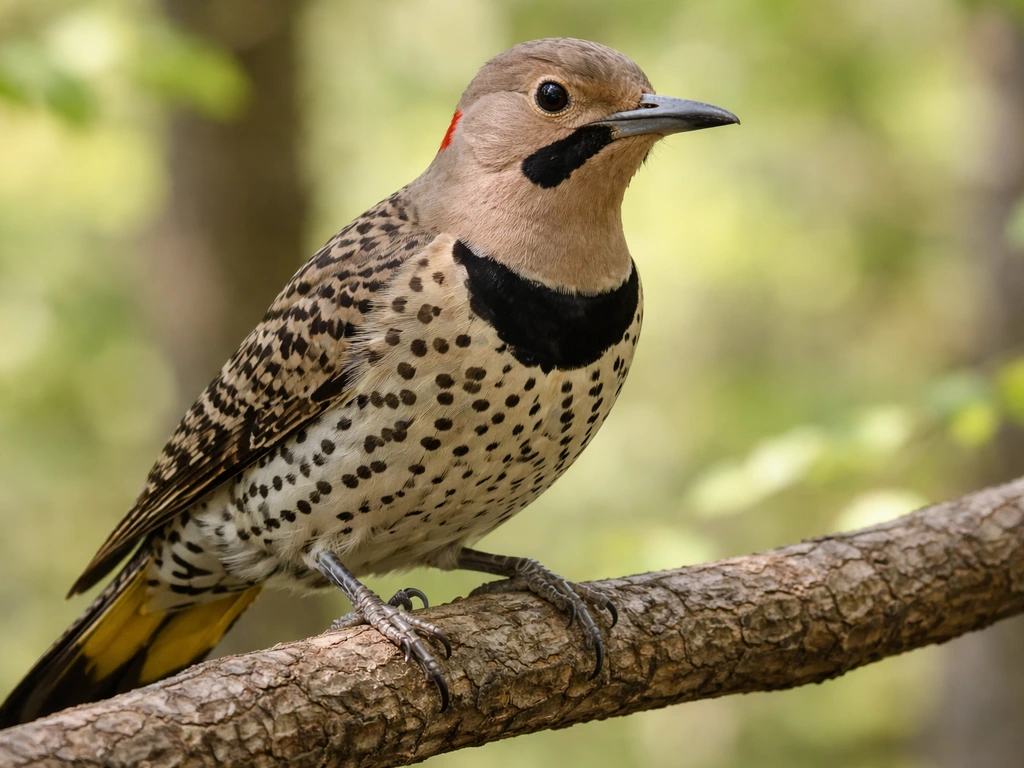
A flicker bird is almost certainly a Northern Flicker, a large woodpecker that looks nothing like the tree-clinging woodpeckers most people picture. Think of a chunky, robin-sized bird in warm brown with bold black bars on its back, a striking black bib on its chest, and a belly covered in neat black spots. If you're also wondering what a finch bird looks like, look for its smaller size and overall shape compared with the Northern Flicker what does finch bird look like. The real showstopper comes when it flies: a brilliant flash of yellow or salmon-red under the wings and a bright white rump patch that almost glows. Once you've seen those field marks, you won't forget this bird.
What Does a Flicker Bird Look Like? Field Marks Guide

Marcus Whitley
2 Jun 2026
What people mean by "flicker bird"
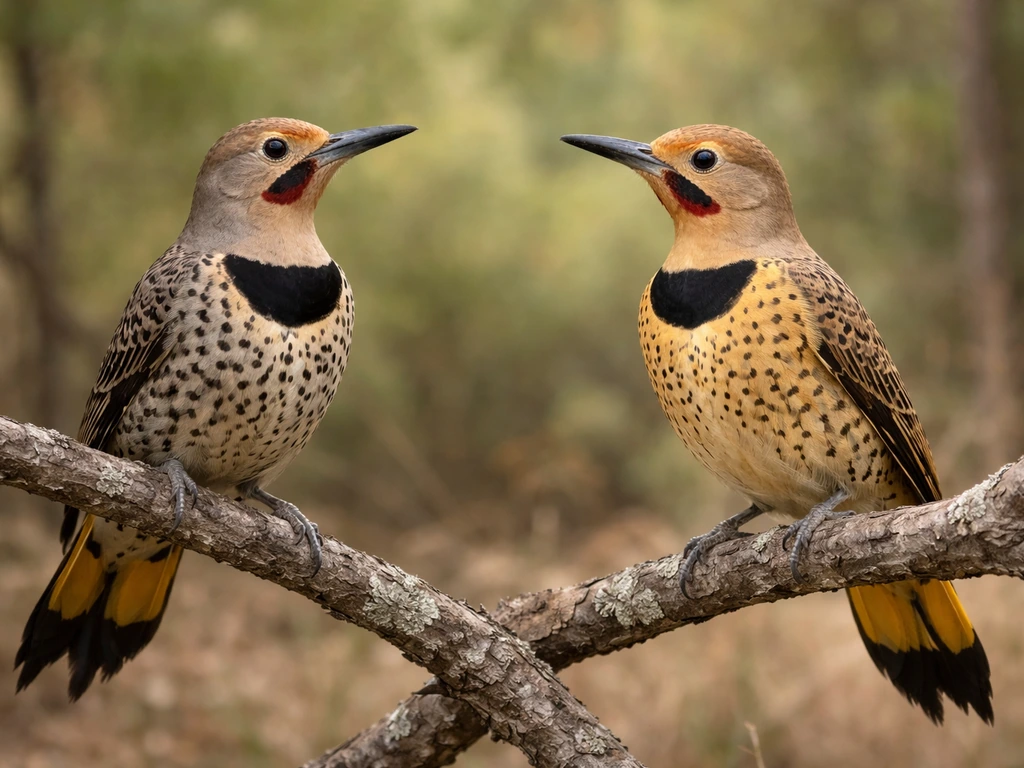
"Flicker" is the widely used common name for the Northern Flicker (Colaptes auratus), a woodpecker found across North America. Most major bird references, including Cornell Lab's All About Birds and the Audubon Field Guide, treat the name as essentially synonymous with this one species. You might see it referred to as the "Yellow-shafted Flicker" (eastern birds) or "Red-shafted Flicker" (western birds), but those aren't separate species. They're two forms of the same Northern Flicker that interbreed wherever their ranges overlap, producing birds with intermediate traits. So whether someone in Georgia or Montana searches for "flicker bird," they're almost certainly looking at the same animal.
There is one close relative worth knowing about if you're in the Southwest: the Gilded Flicker, which lives in Sonoran Desert saguaro habitat. It looks very similar but has a few subtle differences covered below. For anyone outside the desert Southwest, Northern Flicker is the safe assumption.
Size, shape, and overall look
Northern Flickers are bigger than you might expect for a woodpecker. They measure about 11 to 12 inches long (roughly the size of a American Robin but stockier), with a wingspan between 17 and 20 inches. They weigh in around 4 to 6 ounces, which gives them a satisfying heft when they land on a branch. The body is chunky and the head is fairly large and rounded, sitting on a medium-length neck. The bill is slightly curved and noticeably longer than a typical small songbird's, which helps separate it from unrelated brown-streaked birds at a glance.
Perched, flickers have an upright posture and tend to grip branches or cling to tree trunks sideways, the way woodpeckers do. But you'll just as often spot one on the ground, which is unusual for a woodpecker. That ground-foraging habit is one of the most reliable behavioral clues you can use. The overall color palette is warm brown on the back and wings, with a pale buff or tan belly. From a distance it reads as a brown, spotted bird with a distinct dark chest mark.
The field marks that clinch the ID
Head and bill
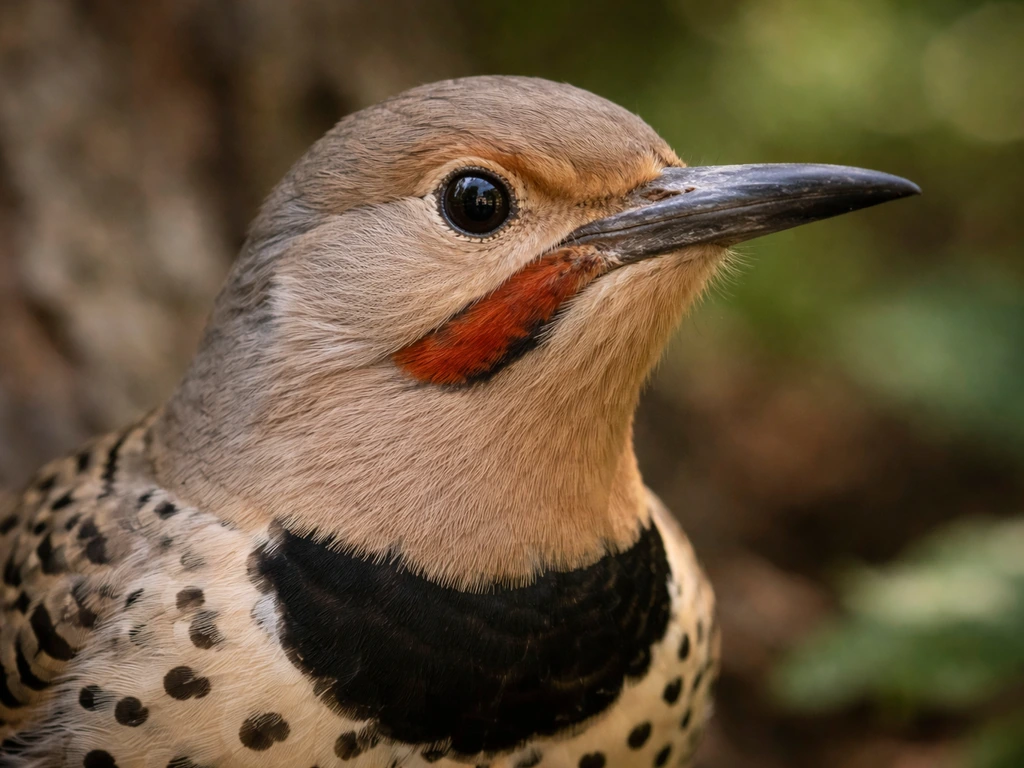
The head is where you'll notice some of the most useful distinguishing marks, and they also vary by sex and which form you're looking at. Eastern (Yellow-shafted) birds have a gray face and a brown crown, with a bold red crescent on the nape (the back of the head). Western (Red-shafted) birds flip this: they have a brown crown but a gray face without that red nape crescent. Both forms have a long, slightly curved bill that looks purposeful and strong. Look for the malar stripe, the mark running from the base of the bill down the cheek: on male Yellow-shafted Flickers it's black, and on male Red-shafted Flickers it's red. Females of both forms lack the malar stripe entirely, which is one of the cleanest male/female differences to check.
Back and wings
The back and wings are brown with narrow, evenly spaced black bars running across them, giving the bird a ladder-backed pattern. This barring is crisp and easy to see on a perched bird. In flight, the underwing is where the color really shows up: eastern birds flash bright yellow under the wings and tail, while western birds flash a warm salmon-red or orange-red. That underwing flash is brief but unmistakable, and it's the detail most likely to stop you in your tracks if you catch a flicker taking off.
Belly, chest, and rump
The chest has a bold black crescent or bib that wraps across the upper breast like a necklace. Below that, the pale buff belly is covered in round black spots, heavy enough that the belly looks distinctly dark-patterned up close. The rump is pure white and highly visible the moment the bird lifts off. That white rump patch is probably the single most reliable flight field mark: it's large, bright, and flashes clearly against the brown body every time the bird flies.
Flicker look-alikes: how to tell them apart
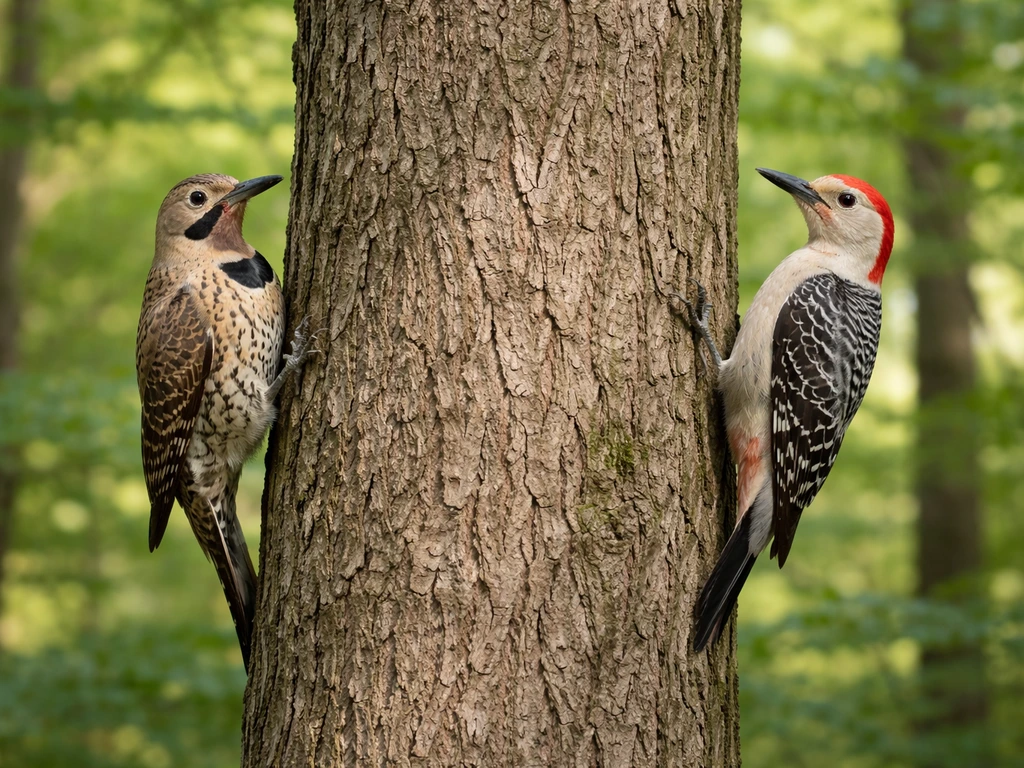
A few birds get confused with Northern Flickers, especially in quick or distant views. Here's how to sort them out.
| Bird | Similarities to Flicker | Key differences |
|---|---|---|
| Red-bellied Woodpecker | Medium-large woodpecker, found in similar wooded habitats | Lacks the black chest bib and spotted belly; back is black-and-white barred (not brown); no white rump flash; clings to trunks more than it forages on ground |
| Gilded Flicker | Nearly identical overall structure, brown barred back, black bib, white rump | Found only in Sonoran Desert saguaro habitat; underpart spotting tends to broaden into short bars on the flanks rather than round spots; yellow underwings like Yellow-shafted but with different head pattern |
| Yellow-shafted/Red-shafted intergrades | Same species, but mixed traits can confuse ID | Expect intermediate underwing color (orange rather than pure yellow or red) and partial or combined head markings; use location plus multiple field marks together |
| Brown Thrasher | Brown upperparts, spotted underparts, found on or near ground | Slimmer body, long tail, curved bill more extreme; no black chest bib; no woodpecker-style barring on back; completely different head shape |
The most common mix-up is with the Red-bellied Woodpecker, especially in the eastern US where both species share wooded backyards and parks. Northern Flickers are often confused with Red-bellied Woodpeckers, but field marks like the flicker’s brown-and-black plumage with black spots and wing/back markings can help tell them apart. The quickest fix: look for the black chest bib and brown barred back on the flicker. If those are present, you've got your bird.
How appearance changes by season, age, and sex
Adult Northern Flickers look broadly similar year-round, which makes them easier to learn than many other birds. The main variation you'll notice is between males and females, not between seasons. Males have the malar stripe (black for Yellow-shafted, red for Red-shafted); females don't. Both sexes show the same chest bib, spotted belly, barred back, and underwing color, so you can confirm the species from either sex.
Juvenile flickers fledge looking like duller, slightly streakier versions of the adults. The field marks are all there but less crisp, and the spotting on the belly can look more washed out. Young males start developing their malar stripe as they mature into their first winter plumage, so a bird with a partial or faint malar mark is likely a young male. By their first full breeding season they're essentially adult-looking.
One thing to keep in mind if you're in a region where Yellow-shafted and Red-shafted ranges overlap (roughly the central plains and Rocky Mountain foothills): you may encounter intergrade birds with intermediate traits. The underwing might look orange rather than pure yellow or red, and the head markings may be a mix. Don't stress too much about nailing a subspecies ID on these birds. Just confirm the core field marks (bib, barred back, spotted belly, white rump) and you've correctly identified a Northern Flicker.
Where to find flickers and how to confirm your ID
Northern Flickers are widespread across North America and genuinely easy to find if you look in the right places. Open woodlands, forest edges, city parks, and wooded suburban neighborhoods are all productive. Unlike most woodpeckers, flickers spend a lot of time on the ground hunting ants and beetles, so don't just scan tree trunks. Walk along a grassy edge next to trees and watch the ground. A large brown bird hopping along and probing the soil is a strong flicker indicator before you've even checked the field marks.
To confirm your ID, work through this short checklist when you have the bird in view:
- Check the chest first: is there a bold black crescent bib? That alone rules out most confusion species.
- Look at the back and wings: brown with narrow black bars running across (not vertical streaks).
- Scan the belly: pale buff with round black spots covering the lower breast and belly.
- If the bird flies, watch for the white rump patch and the underwing color (yellow or salmon-red depending on your region).
- For the head: note any malar stripe (cheek mark). If present, it confirms a male; its color (black or red) helps place the form.
- Consider your location: east of the Rockies points to Yellow-shafted, west of the Rockies to Red-shafted.
For photos to compare, All About Birds (Cornell Lab) and the Audubon Field Guide both have high-quality reference images showing perched birds, birds in flight, and close-ups of the head markings for both forms. Searching specifically for "Yellow-shafted Flicker" or "Red-shafted Flicker" alongside your region will pull up the most relevant photos. If you're already familiar with other woodpeckers, flickers are noticeably browner and more ground-oriented than most of their relatives, which makes them feel like a different kind of bird once you've spent a little time watching them. For a quick visual guide, see what a yellow finch bird look like in its typical posture and coloration.
If you enjoy spotting birds with bold, distinctive patterns, the Northern Flicker fits right alongside other visually striking species like goldfinches and finches in terms of how satisfying it is to learn the field marks and lock in a confident ID. The combination of that black bib, spotted belly, barred back, and the brilliant underwing flash in flight makes the flicker one of the more rewarding birds to identify once you know what to look for. For photos to compare, All About Birds (Cornell Lab) and the Audubon Field Guide both have high-quality reference images showing perched birds, birds in flight, and close-ups of the head markings for both forms what does a firecrest bird look like. A goldcrest bird looks quite different, so use its key identification features if you meant that species instead what does a goldcrest bird look like.
FAQ
What if I only see the flicker perched and not in flight, how can I still confirm what it is?
If you miss the underwing flash, rely on the combination of a barred brown back, a bold black chest bib, a pale belly with distinct black spots, and the large bright white rump patch when it takes off. Even in short glimpses, that white rump is one of the most dependable “tells.”
How do I identify a Northern Flicker in poor lighting or distant views?
In low light or from far away, the rump patch may not read as “white” and the bib may blend into shadow. Focus on the ladder-like black barring on the back and wings plus the overall warm brown, chunky shape. If you can get even a partial view of the chest, the dark bib crescent is usually more noticeable than the belly spots.
What behavior clues are actually reliable, not just the colors?
For a quick comparison, look at posture and behavior together. Flickers often hop and probe on the ground, and they show a more upright, woodpecker-like stance than many lookalike browns. If it is clinging to trunks like a typical small woodpecker and staying high overhead, that behavior is less consistent with a flicker.
Could a “flicker” be something other than a Northern Flicker, and when should I worry about Gilded Flicker?
A Gilded Flicker can be confusing because it is similar in overall body plan. The safest approach is to use geography first, then field marks: only expect Gilded Flicker in the desert Southwest saguaro habitat. If you are outside that region, treat the bird as a Northern Flicker unless other strong evidence points otherwise.
How should I handle flickers that look “in-between” (especially in the central plains and Rocky Mountain foothills)?
Yes, intergrade birds in the overlap areas can blur head and underwing colors. The decision aid is to ignore fine subspecies traits at first and confirm the core set (black bib, barred back, spotted belly, and the bright white rump patch). Once those are solid, the bird is correctly identified even if the underwing looks intermediate.
What changes should I expect in juvenile flickers, and what field marks should I prioritize on young birds?
Juvenile flickers can look duller and slightly streakier, but the main structure should still match: the barred back pattern, the chest bib, the spotted belly (even if less crisp), and the big white rump. If the belly pattern is very washed out, give extra weight to the rump patch and the underwing flash when it flies.
How can I tell male vs female without getting tricked by the big bib or belly spots?
Males have a malar stripe that is black on Yellow-shafted birds and red on Red-shafted birds, females lack it. A practical tip is to check the cheek area along the side of the bill, not the bib or belly, since those marks look similar in both sexes.
What are the most reliable differences to separate Northern Flicker from Red-bellied Woodpecker?
Red-bellied Woodpeckers can look similar in quick views, especially in the eastern US. The fastest separation is that Northern Flickers have the barred back pattern and a distinct black chest bib, while red-bellieds typically do not show the same ladder-backed barring and spotted-belly look. If you see the flicker’s spotted belly plus barred wings, the match strongly favors Northern Flicker.
Do seasonal changes affect how a flicker bird looks, or is it similar year-round?
Yes. In migration or between sightings, Northern Flickers can keep a year-round look, so you do not need to “wait for a season” for the key marks to appear. The main time-based variation you might notice is juveniles maturing into their first breeding season, which affects how crisp the malar stripe becomes.
Next Articles
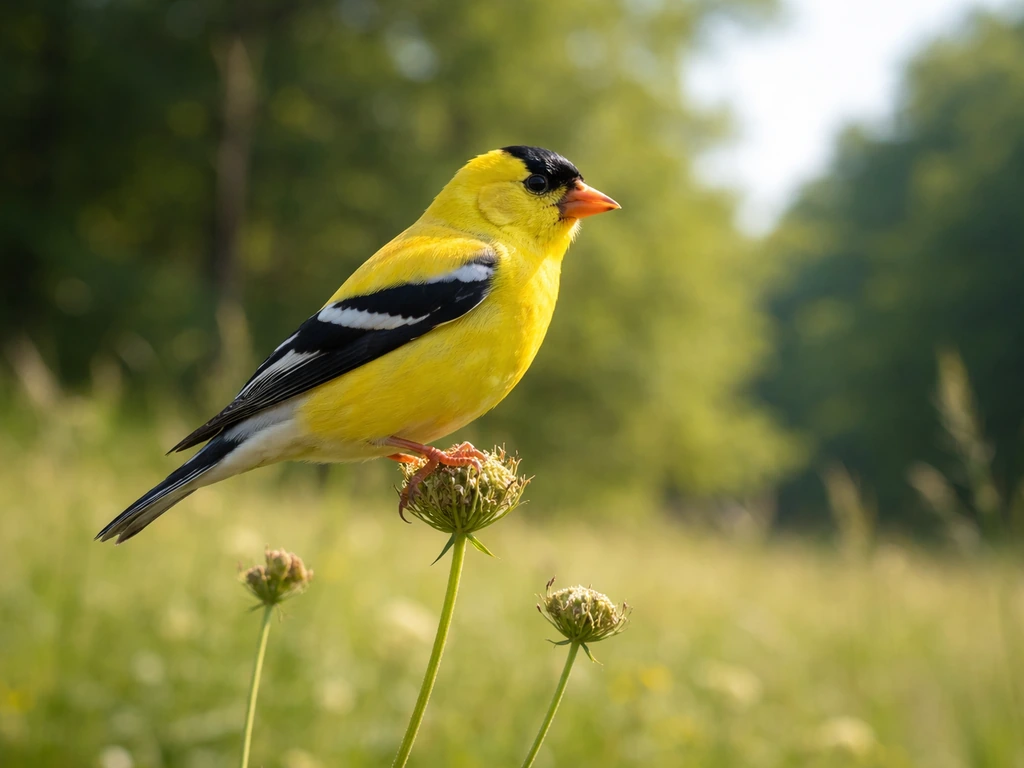
What Does a Goldfinch Bird Look Like Field Marks
Visual field marks to identify a goldfinch, plus lookalikes and how to compare size, wings, head, and beak.
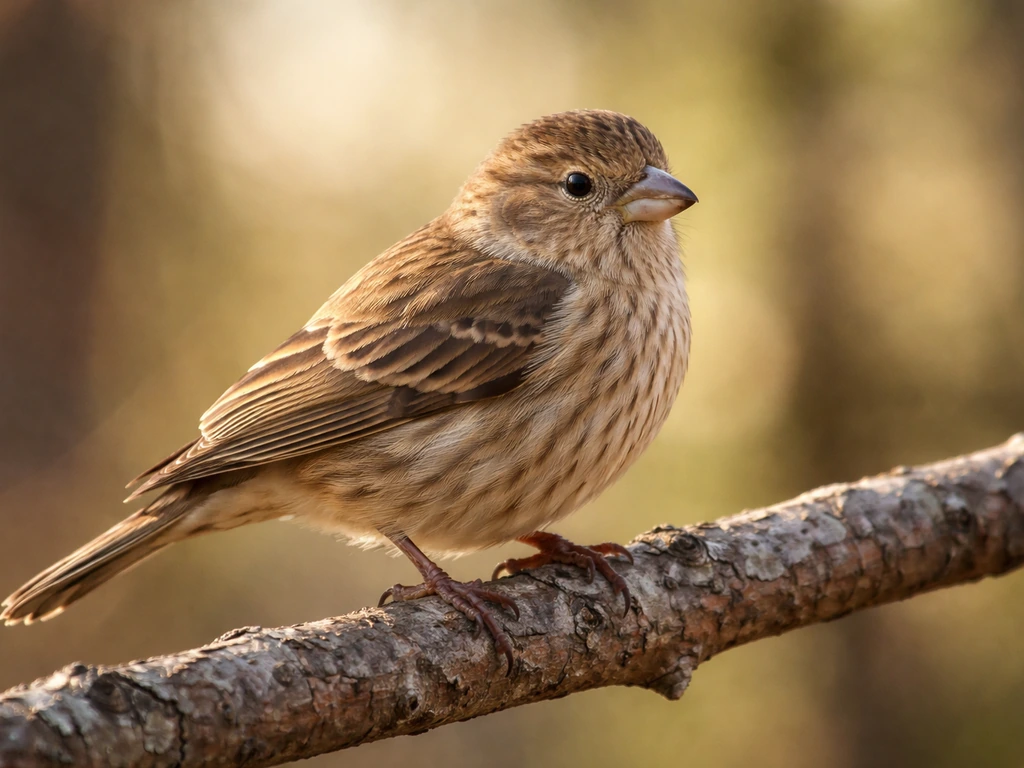
What Does Finch Bird Look Like? Key Traits to Identify
Learn how to identify finches by body shape, beak type, posture, wing tail, and color patterns, plus key look-alike tips
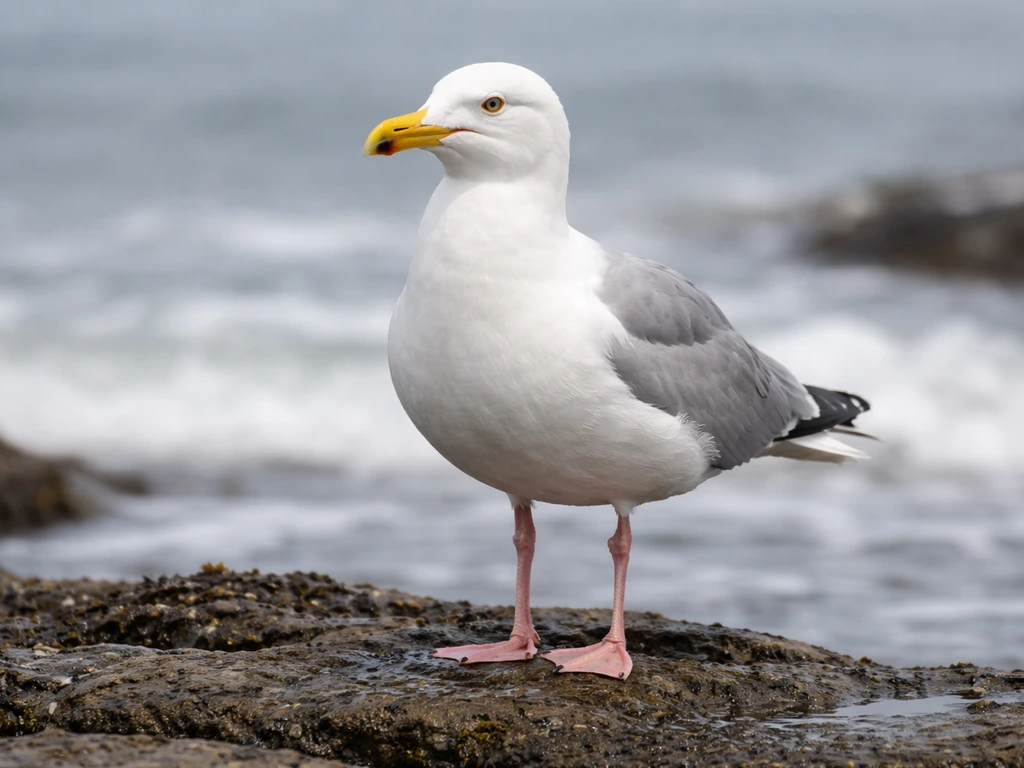
What Does a Herring Bird Look Like? Herring Gull ID Guide
Learn what a herring bird likely is: clear herring gull ID guide with key marks, plumage differences, and lookalike comp