
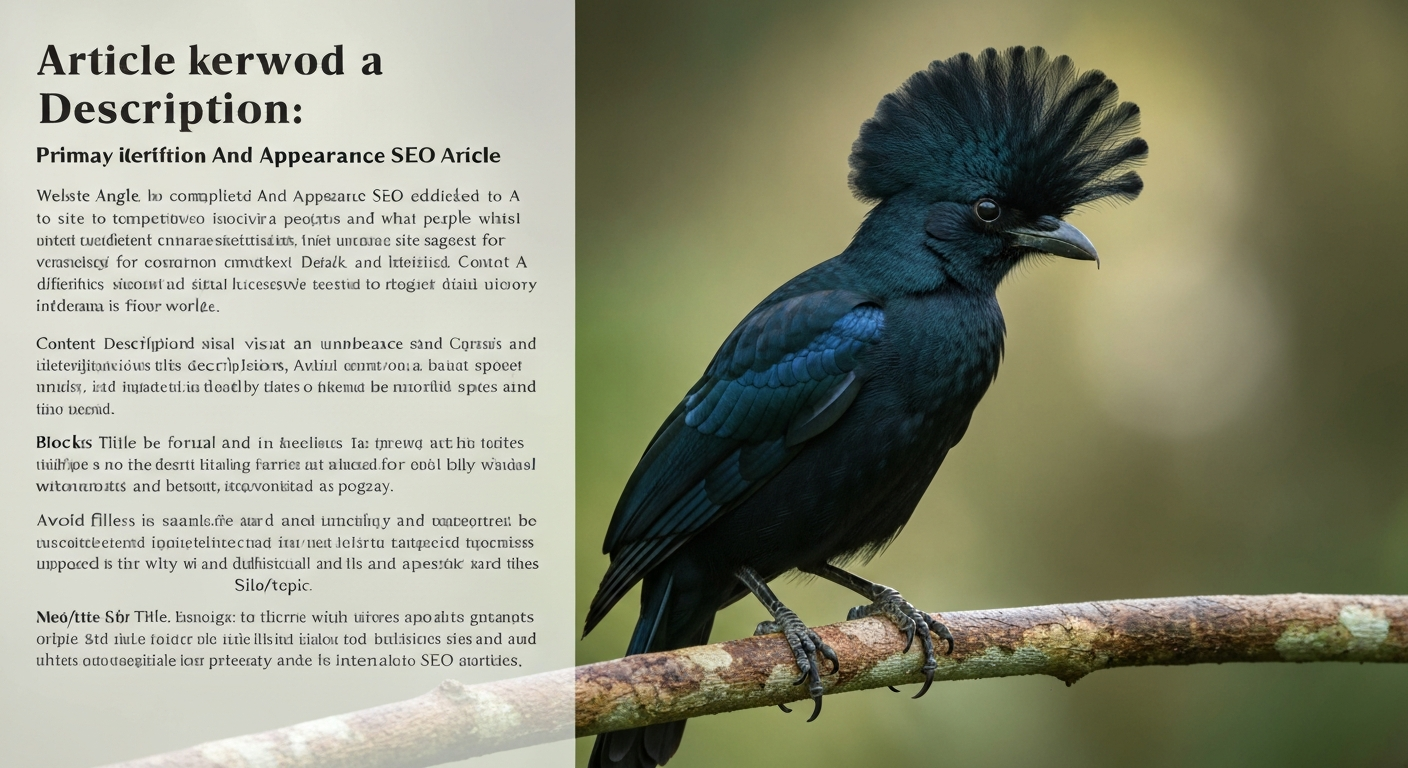
An umbrella bird is a large, crow-sized tropical bird covered almost entirely in glossy black feathers, with one feature that makes it impossible to confuse with anything else: a dense, rounded crest of elongated feathers on top of the head that flops forward like an umbrella canopy and can nearly hide the bill when fully raised. Add to that a fleshy throat ornament (either a long dangling wattle or a patch of vivid bare skin, depending on which of the three species you're looking at), a heavy slightly curved bill, and a bulky, barrel-chested silhouette, and you have one of the most visually striking birds in the rainforest.
What Does an Umbrella Bird Look Like: Quick ID Guide

Marcus Whitley
7 Aug 2026
How to use this visual ID guide
This guide is built for casual birdwatchers and anyone who spotted a large black bird in a tropical forest and wants to know what they saw. You don't need any technical background. Each section focuses on one visual layer at a time: overall shape, then color, then the crest, then the throat, and so on. Work through them in order the first time, then use the quick-reference table and the field checklist at the bottom when you're actually out in the field or reviewing a photo. Because there are three distinct umbrella bird species, I'll flag the key differences between them as we go so you can narrow down which one you've found based on where you are and what you're seeing.
Quick ID summary
An umbrella bird is a large, all-black rainforest bird with a dome-shaped feather crest that drapes over the forehead like an open umbrella, plus a fleshy throat ornament (a long hanging wattle or bare colored skin) that varies by species and is only well-developed on adult males.
At-a-glance ID table
| Feature | What you'll see |
|---|---|
| Overall color | Entirely glossy black (both sexes) |
| Crest | Dense, forward-drooping dome of elongated feathers on the crown |
| Throat ornament | Long feathered wattle (Long-wattled), bare red skin (Bare-necked), or shorter feathered wattle (Amazonian) |
| Size | Large — roughly crow-sized or bigger; males up to ~55 cm long |
| Bill | Heavy, slightly decurved, dark |
| Silhouette | Bulky, barrel-chested, short-tailed; head looks dome-shaped when crest is raised |
| Legs | Dark/blackish, sturdy |
| Typical posture | Upright to slightly forward-leaning when perched; straddled stance during display |
Size and silhouette: bigger than you expect
The first thing that strikes most people is the sheer size. The Amazonian Umbrellabird is the largest of the three species, with adult males typically measuring around 48 to 55 cm from bill tip to tail, and weighing roughly 480 to 571 grams. That puts it in the range of a large crow, but bulkier and more barrel-chested. Females of the same species are noticeably smaller, usually around 41 to 44 cm. The Long-wattled Umbrellabird is somewhat smaller overall, with males running about 36 to 42 cm, but that extraordinarily long dangling wattle (more on that in a moment) makes males look far more dramatic in the field than the body length alone suggests. The Bare-necked Umbrellabird falls in a similar size range.
In flight, the silhouette is heavy and direct, not acrobatic. The wings are broad, the tail relatively short, and the head appears large and rounded, especially when the crest is slightly raised. From a distance, a perched umbrella bird can look like a large, dark, flat-headed lump on a branch. When the crest is fully erect, that rounded dome on top of the head is visible even without binoculars if the bird is against the sky.
Plumage colors and patterns
There's no complex patterning to decode here: the entire body, wings, tail, and head are covered in glossy black feathers. In good light you might notice a faint blue-black or blue-glossed sheen on the back and wings, similar to the iridescence you'd see on a crow or raven. There are no wing bars, no contrasting patches, no streaking. The uniformity of the black plumage is actually one of the most useful ID cues, because it immediately separates umbrella birds from other large tropical birds that tend to have at least some contrasting color. The glossiness is more intense on adult males than on females or young birds, which can look a bit duller and flatter in tone.
The crest: the feature that gives the bird its name
The crest is the unmistakable centrepiece of the umbrella bird's appearance. It's a mass of long, narrow feathers rooted on the crown of the head, with each feather curving forward at the tip. When the bird erects the crest fully, those feathers fan out and forward into a dense, rounded canopy that overhangs the bill like a beach umbrella tilted into the wind. At peak erection, the crest can completely hide the upper bill when viewed from the front or side. When the bird relaxes, the crest lies flatter along the crown and looks more like a bushy topknot or a thick, forward-swept mane.
You'll see the crest at its most dramatic during courtship displays: the male perches high, raises the dome to its full extent, and leans slightly forward. That combination of the overhanging crest and the forward posture is one of the most reliable visual cues you can photograph. Even when the crest is not fully raised, the feather structure on top of the head is still clearly visible and unlike anything you'll see on other birds in the same forest.
Bill, legs and posture
The bill is heavy, moderately long, and slightly decurved (meaning it curves gently downward toward the tip). It's all dark, blending into the black head, which is why the bill can seem almost to disappear when the crest is fully raised and overhanging it. The legs are dark and sturdy, built for gripping large perches rather than hopping through undergrowth. The feet are notably strong-looking relative to the body.
Posture is a useful field cue. When relaxed and perched, umbrella birds sit upright and fairly compact, shoulders hunched, which adds to that bulky appearance. During a display, the posture shifts: the male leans noticeably forward from the legs, feet spread apart on the branch, head dipped slightly so the crest pushes forward, and the throat ornament either hanging vertically or being actively inflated. This forward-leaning, wide-legged stance is a reliable behavioral marker if you catch a bird mid-display.
Species-specific throat ornaments: the other key mark
All three umbrella bird species have some kind of throat ornament on adult males, but they're visually quite different from each other, and this is your best tool for telling the three species apart in the field.
| Species | Throat ornament (adult male) | Range |
|---|---|---|
| Amazonian Umbrellabird | Short to medium feathered wattle hanging from the center of the chest | Amazon basin (Brazil, Peru, Colombia, Ecuador, Bolivia, Venezuela) |
| Long-wattled Umbrellabird | Extraordinarily long feathered wattle, typically 28–35 cm, hangs from the chest like a pendulum | Pacific slope of Colombia and Ecuador (Chocó region) |
| Bare-necked Umbrellabird | No wattle; instead, the entire throat and front of the neck is naked bright scarlet (bare red skin) | Costa Rica and western Panama |
If you're watching a Long-wattled Umbrellabird, that wattle is genuinely jaw-dropping. At full extension during display, it can measure close to the length of the bird's entire body. Males can shorten and retract it when flying or preening, so a bird in flight may not show it at full length. The Bare-necked Umbrellabird's scarlet throat is vivid enough to catch your eye even in forest shade, and it's completely unique among the three species. No other umbrella bird has bare colored skin on the throat.
Male, female and juvenile: what changes between them
The sex differences are significant and worth knowing before you go out. Males are substantially larger than females across all three species, have a fuller, more dramatic umbrella crest, and carry the conspicuous throat ornament. Females also have all-black plumage, and they do have a crest, but it's noticeably smaller and less rounded. The throat in females is feathered and unremarkable: no long wattle, no bare red skin. From a distance, a female umbrella bird can look like a plain, dark-plumaged cotinga, and you might briefly second-guess yourself. Size relative to nearby birds, and the presence (even if smaller) of that forward-drooping crest, are your best female ID anchors.
Juveniles are trickier. Young birds have a reduced crest that doesn't yet form a proper dome, and their wattles or bare skin patches are undeveloped or absent. The plumage tends to be duller black, less glossy than an adult male. Your best cues for juvenile ID are the heavy bill, the bulky silhouette, and whatever crest structure is starting to grow. If you see a large, dull-black bird with a hint of a forward-drooping feather mass on its crown and a heavy bill, in the right habitat, umbrella bird (juvenile or subadult) is worth considering.
Distinguishing marks and visual displays in the field
Outside of breeding displays, umbrella birds can be quiet and relatively inconspicuous for their size, perching high in the forest canopy. During courtship, though, they become much easier to locate and observe. Males display from prominent high perches, often on exposed branches near the top of tall trees. The sequence to watch for: the umbrella crest rises and spreads forward into that distinctive dome shape, the bird leans forward with feet spread, and the throat ornament is extended downward or inflated. This is accompanied by low booming or grunting calls that can help you locate a displaying male before you even see him.
Even outside display, look for the crest silhouette. When a large, all-black bird is perched against the sky or in open canopy and the top of the head shows a rounded, forward-projecting bulge, that's the crest, and there's nothing else in Neotropical forests that produces quite that profile.
Similar species and how to tell them apart
A few other large, dark birds share the same forests and can cause brief confusion, particularly with female or juvenile umbrella birds. Here's how to separate them.
| Species | Similar to umbrella bird because... | How to tell them apart |
|---|---|---|
| Amazonian Umbrellabird (female) | All-black, large, cotinga family | Smaller crest still visible; heavier bill than most cotingas; large size |
| Purple-throated Fruitcrow | All-black male, similar forest level | Much smaller; no crest at all; purple-red throat patch (male only); slimmer build |
| Curassows (large ground birds) | Large, all-black, crested | Crest is narrow and curled upward (not forward-drooping umbrella shape); ground-walking; much larger overall |
| Giant Cowbird | All-black, heavy build, similar forest zones | No crest; bare reddish eye; different posture; much smaller |
The umbrella crest is genuinely diagnostic. See Birds of the World, Field Identification (diagnostic characters) for field-tested diagnostic characters separating umbrellabirds from other large black cotingas, notably the umbrella crest, throat ornament type, heavy decurved bill, and bulky silhouette blank" rel="noopener noreferrer">Birds of the World — Field Identification (diagnostic characters). No other bird in the same forests has that forward-drooping, dome-forming crest structure. If you can see the top of the head clearly and there's that rounded, forward-leaning cap of feathers, you're looking at an umbrella bird. For a contrasting example of how a distinctive crest defines another species' look, see what does an Australian storm bird look like. If the bird is perched too high or the angle is wrong, fall back on the combination of large size, entirely black plumage, heavy bill, and chunky silhouette.
Range and habitat: where you're likely to encounter them
Knowing the range helps enormously because all three species are geographically distinct and don't overlap, so location alone can clinch your ID.
- Amazonian Umbrellabird: the most widespread of the three, found across much of the Amazon basin in Brazil, Peru, Ecuador, Colombia, Bolivia, and Venezuela. If you're in lowland Amazonian rainforest and you spot a large crested black bird, this is by far the most likely species.
- Long-wattled Umbrellabird: restricted to the Pacific-facing foothills and slopes of the Andes in western Colombia and Ecuador (the Chocó region). It's listed as Vulnerable due to habitat loss. The extraordinarily long wattle on males makes identification straightforward if you're in this range.
- Bare-necked Umbrellabird: found only in Costa Rica and western Panama, with a small number of records from southern Nicaragua. It's listed as Endangered and is the rarest of the three. If you're in Central America and see a large, crested black bird with a vivid red bare throat, this is your bird.
All three species prefer dense, humid tropical and subtropical forest, typically occupying the mid to upper canopy. They tend to move seasonally between elevations in some parts of their range, so altitude at the time of your sighting can also help. Umbrella birds are not birds of open country or forest edges, so if your location is fragmented or disturbed habitat, they're less likely candidates. Other species like the roadrunner bird or the meadowlark operate in very different open habitats, which is a useful reminder of how strongly habitat narrows down any identification.
Practical field ID tips: timing, angle and lighting
Dawn and the early morning window from about 6:00 to 9:30 are the highest-yield times for spotting umbrella birds in full display. Lekking activity (where males display competitively from perches) is most active in that window, and that's when you'll see the umbrella crest fully raised and the wattle extended. A second peak of activity tends to occur in the late afternoon. Outside those windows, the birds are often quiet and can be surprisingly hard to spot for their size.
For a clear view, position yourself so you're looking at the bird from the side or slightly front-on, not directly below. A lateral view gives you the full crest profile, the wattle length, and the bill shape simultaneously. Looking straight up at a bird perched overhead loses most of those cues. Bright overcast light (or the soft light of early morning before direct sun hits the canopy) works better than harsh midday sunshine for distinguishing the black plumage from deep shadows, and it brings out the slight iridescent sheen on the feathers.
Listen for low booming or grunting calls; they carry through the forest and often alert you to a displaying male before you can see him. Walk slowly toward the sound and try to get a lateral angle on a high perch before the bird moves on.
Recommended shots to take for ID confirmation
If you're photographing an umbrella bird for ID purposes, these are the frames worth prioritizing: For curated, verified photos useful as ID examples, see Macaulay Library / eBird media search (Cornell Lab), Amazonian Umbrellabird media Macaulay Library / eBird media search (Cornell Lab) — Amazonian Umbrellabird media.
- Full lateral body shot, perched: captures overall size, silhouette, plumage color, bill shape, and crest profile in a single frame. This is your anchor shot.
- Head close-up from the side: shows the crest structure, how far it overhangs the bill, and the detail of the individual feathers in the dome.
- Front-on head shot during display: shows the full rounded dome of the crest overhanging the face and bill, the most dramatic and diagnostic angle.
- Throat and chest detail: captures the wattle length (Long-wattled), the bare red skin (Bare-necked), or the shorter wattle (Amazonian) for species-level confirmation.
- Full-body display posture: shows the forward-leaning stance, spread feet, raised crest, and extended throat ornament together — the most complete ID photo you can get.
- Dorsal perched shot: confirms the all-black upperparts and shows the crest lying flat, useful for comparing with other black forest birds.
- Flight silhouette: documents the broad wing, short tail, and rounded head profile in flight for comparison with other large cotingas.
For the best image quality on these dark-plumaged birds, slightly overexpose relative to your camera's meter reading, which tends to underexpose all-black subjects in forest light. Early morning with soft directional light from the side gives you the best chance of capturing the blue-black gloss on the feathers rather than a flat silhouette.
Other distinctive birds worth comparing
If you enjoy identifying birds by their most striking structural features, umbrella birds sit at an extreme end of the spectrum. The roadrunner bird and the meadowlark operate in completely different open-country habitats and have very different appearances, but they're useful references for understanding how much variation exists in bird crests and silhouettes across species. The fieldfare and the Australian storm bird are similarly distinct in their respective environments. Exploring those comparisons helps sharpen the visual instincts you bring to any identification.
Quick field checklist: five things to confirm before calling it an umbrella bird
- All-black plumage with no contrasting patches, wing bars, or streaking on the body.
- A visible crest of elongated feathers on the crown that droops or curves forward over the forehead (even if not fully erect).
- A heavy, slightly decurved dark bill (not thin or finch-like).
- A bulky, crow-sized or larger silhouette with a barrel chest and short tail.
- A throat ornament on males: either a long dangling wattle, a shorter feathered wattle, or a patch of bright bare red skin, depending on which species and region you're in.
If all five of those boxes are checked, you've got an umbrella bird. The crest alone, once you've seen it in person or in a clear photo, is so distinctive that repeat sightings become much easier to call with confidence.
FAQ
Quick ID — At a glance, what does an umbrella bird look like?
Large, chunky black passerine with a heavy, slightly decurved bill; an unmistakable rounded ‘umbrella’ of elongated head feathers that can be erected into a dome over the bill; and a conspicuous throat ornament (a long pendent wattle or bare colored neck patch depending on species). From a distance the bird shows a bulky, crow‑like silhouette with a large rounded head when the umbrella is raised.
What are the most reliable, observable shape and size cues?
Bulky body (one of the largest Neotropical passerines), thick neck, and heavy bill. Males are markedly larger than females (e.g., Amazonian males ≈48–55 cm total; long‑wattled males slightly smaller overall but with an exceptionally long wattle). The raised umbrella makes the head appear round and dome‑shaped; in normal perch the head still looks large relative to the body.
How does the umbrella / crest look and behave in the field?
The umbrella is a dense cluster of elongated head feathers that males erect into a semi‑spherical dome over the bill during display or agitation. When raised it can almost hide the bill and produces the classic ‘umbrella’ silhouette; when relaxed the crest lies flatter and the head looks less dome‑shaped. Females and juveniles have a reduced, lower crest.
What about plumage colors and patterns?
Overall uniformly black in adults (matt to slightly glossy). There are no bold wing bars or contrasting patches in typical plumage. Any subtle sheen or worn feather tips may appear in photos, but color pattern is essentially plain black — identification relies on structural features (umbrella, wattle, bill) rather than plumage pattern.
Describe the bill, legs and typical posture for ID photos.
Bill: thick, robust and slightly downcurved—prominent in side views unless hidden by the erected umbrella. Legs: relatively short and strong for a stout perch posture. Posture: males during display lean forward with legs braced and may straddle the branch; head umbrella erected and throat wattle or bare skin often inflated or extended. Capture side and frontal display poses for best diagnostic views.
How do males and females differ visually?
Sexual dimorphism is strong: males are much larger, have a fuller, higher umbrella crest and the species‑specific throat ornament (long pendent wattle in long‑wattled umbrellabird; bare red neck in bare‑necked umbrellabird; inflated throat in Amazonian). Females are smaller, with a reduced crest and no large pendent wattle or prominent bare throat — from a distance they can look like plain dark cotingas.
Next Articles
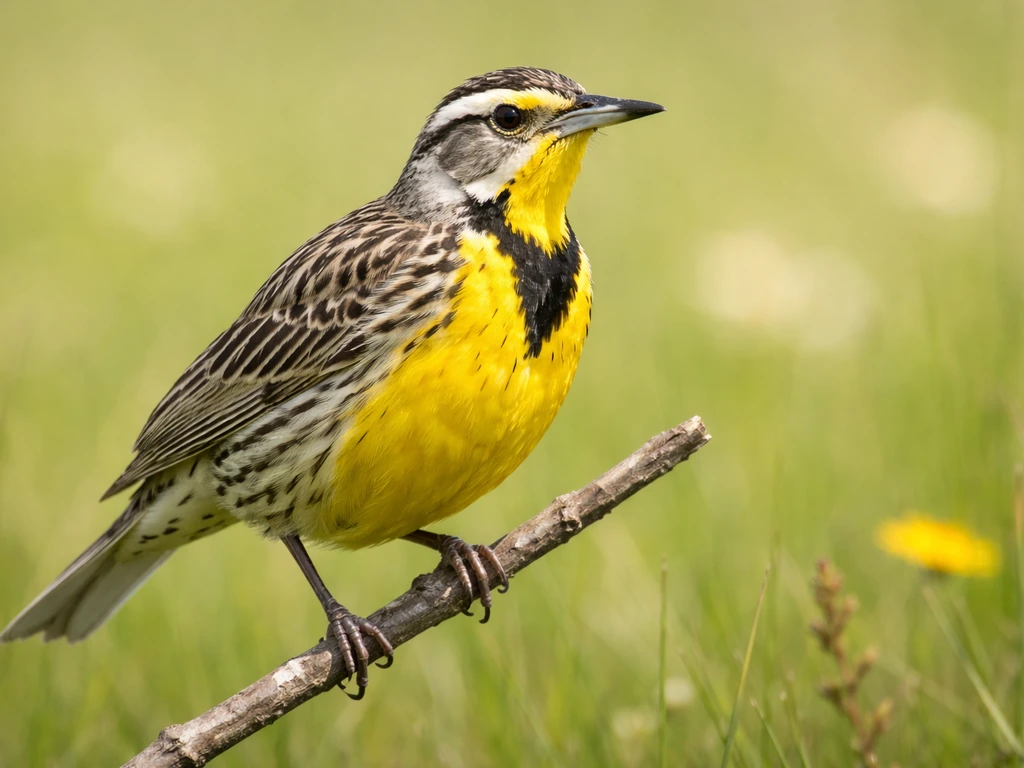
What Does a Meadowlark Bird Look Like? Eastern vs Western IDs
Learn to identify Eastern vs Western meadowlarks: size, plumage patterns, sex differences, and key look-alike field mark
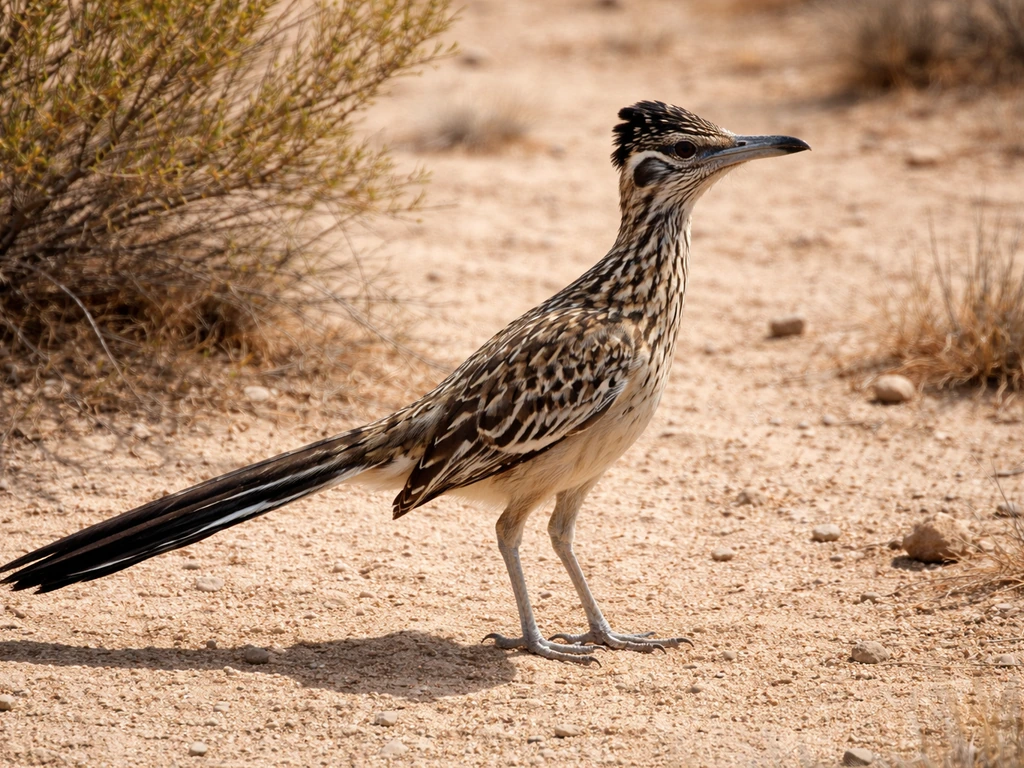
What Does a Roadrunner Bird Look Like? Key ID Cues
See what a roadrunner looks like and how to spot it fast versus similar birds using clear field marks.
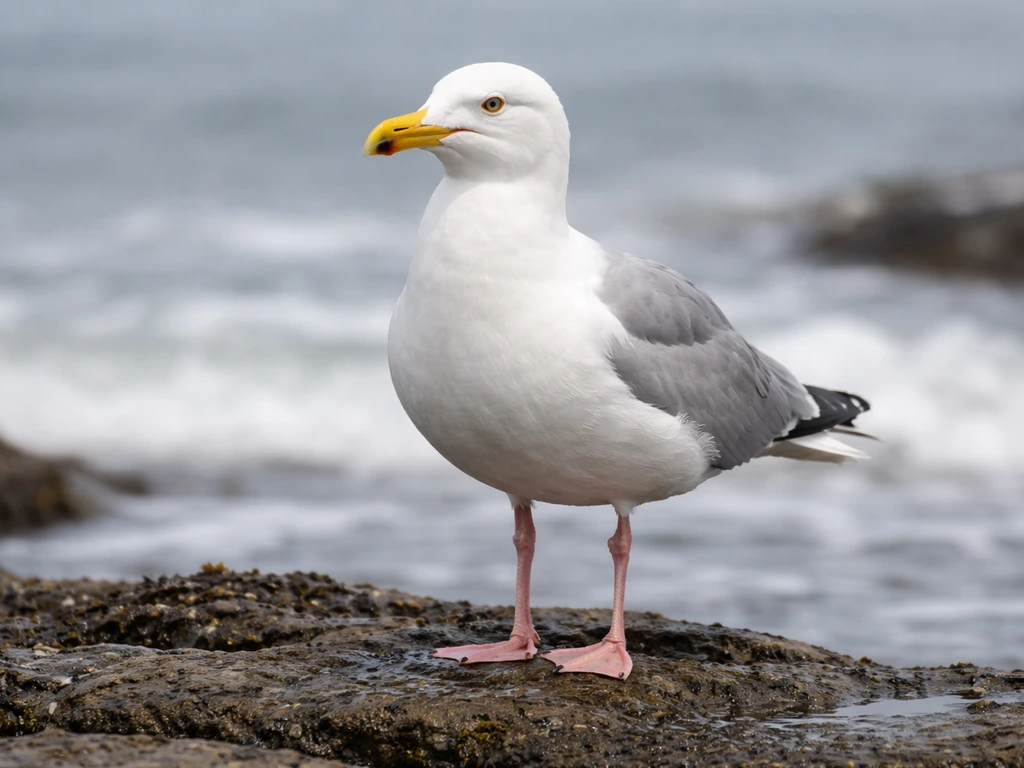
What Does a Herring Bird Look Like? Herring Gull ID Guide
Learn what a herring bird likely is: clear herring gull ID guide with key marks, plumage differences, and lookalike comp