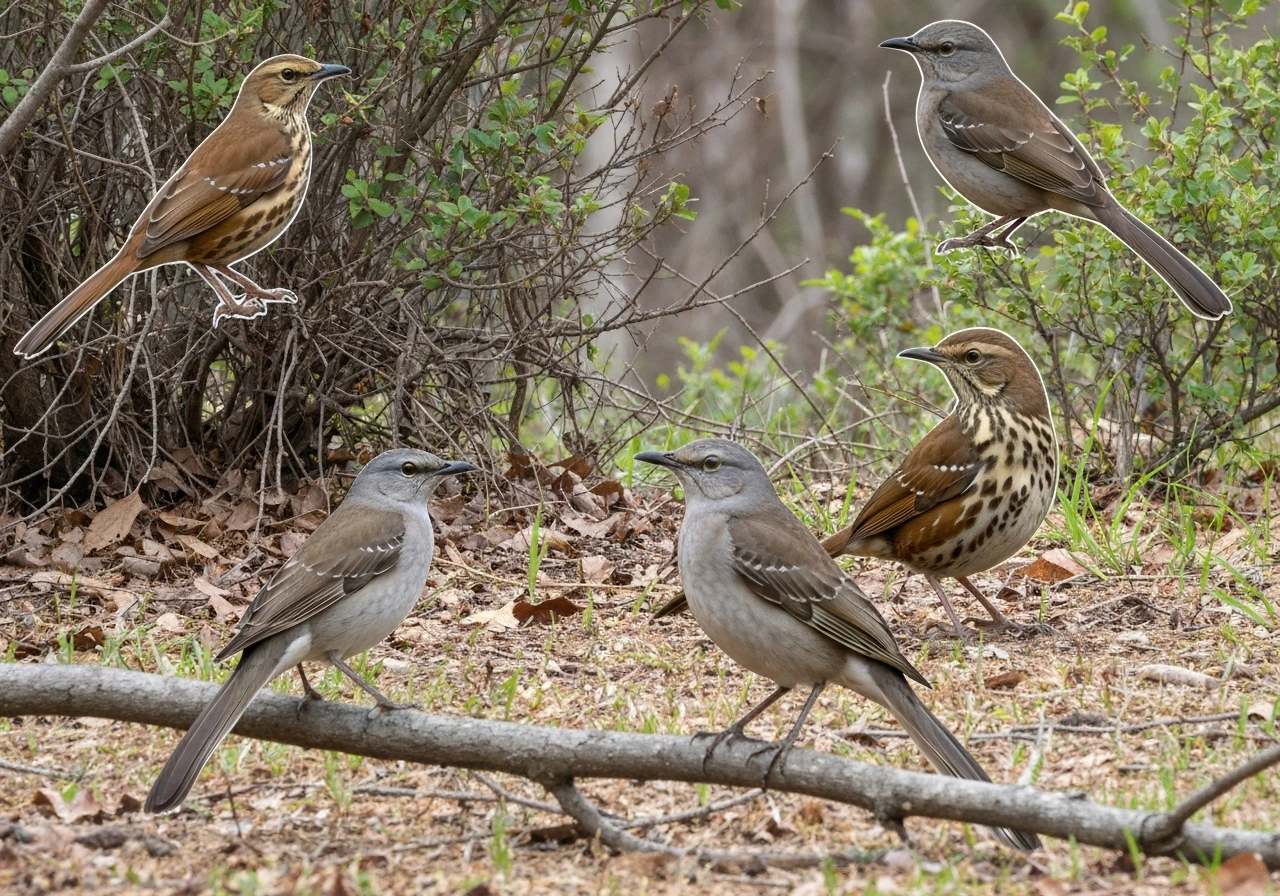
The bird you're seeing is most likely a Roseate Spoonbill, not a flamingo. That's the number one mix-up people make with pink, long-legged birds in North America. True American flamingos do exist in the wild (mainly in Florida, the Caribbean, and coastal Mexico), but they're far less common than spoonbills, and once you know what to look for, you can tell them apart in seconds. The key is bill shape, neck length, and how the bird is feeding, not just the pink color. But a bird that looks like a mockingbird is a different identification challenge than these flamingo look-alikes what bird looks like a mockingbird.
What Bird Looks Like a Flamingo? Quick ID Guide

Marcus Whitley
7 Jul 2026
First, confirm it's actually flamingo-like (not just a trick of the light)
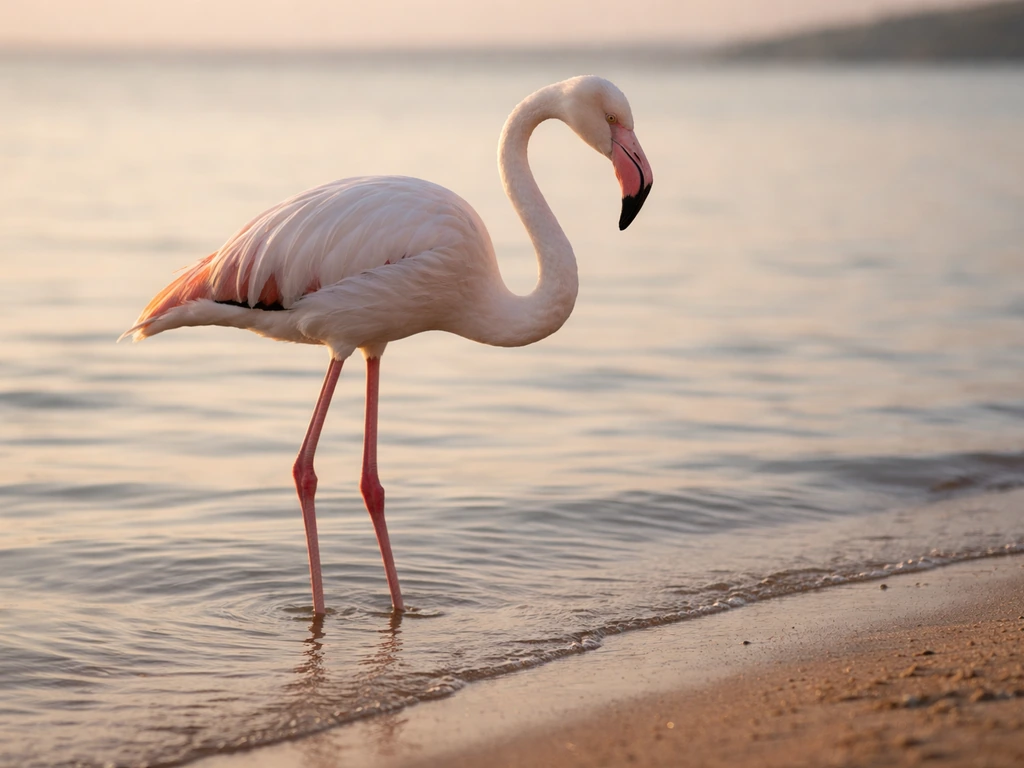
Pink coloring in birds can fool you more than you'd expect. Lighting at sunrise or sunset throws an orange-pink wash over all kinds of birds, including herons and egrets that are normally white or gray. A juvenile Roseate Spoonbill adds another wrinkle: young spoonbills are mostly white with only a faint pink tinge, so they can look almost nothing like the vivid rose-pink adults you might expect. Before you start comparing species, make sure the pink is actually in the feathers and not just a reflection or a lighting effect. If the bird still looks pink when the light is neutral (overcast sky, midday shade), then you've got a genuinely pink bird and the identification work begins.
The flamingo checklist: four things to look at right now
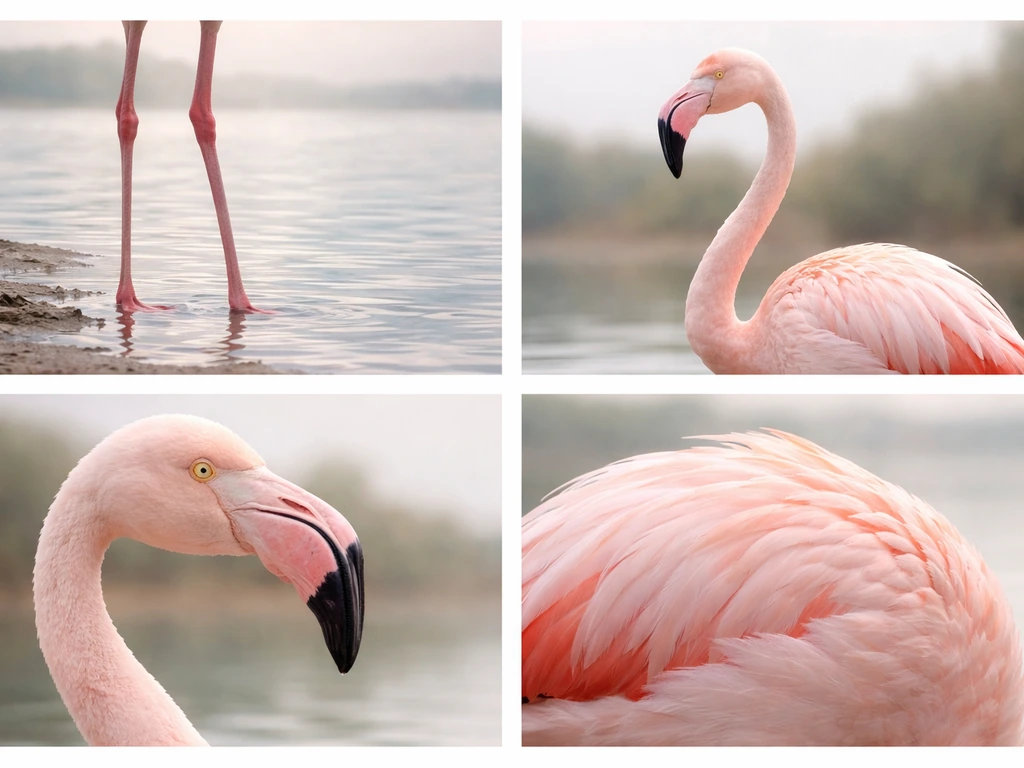
When you're in the field and need a fast answer, focus on these four features in order. They'll get you to a confident ID faster than anything else.
- Legs: Flamingo legs are extraordinarily long, pale pink to white, and they make the bird look almost comically tall and thin. If the legs look thick, shorter, or red, you're probably looking at a spoonbill.
- Bill: This is the single best feature. A flamingo's bill is thick, sharply bent downward in the middle (like a bent nose), and uniquely chunky. A spoonbill's bill is long, flat, and shaped exactly like a dinner spoon or spatula at the tip. You cannot miss the difference once you've seen both.
- Body shape and size: Flamingos are tall and pencil-thin from a distance, with an extremely long neck that stretches up high. Spoonbills are stockier with a shorter neck and a heavier, more compact body.
- Head and neck posture: A flamingo holds its neck in a long S-curve and when feeding, tilts its head completely upside down into the water. A spoonbill keeps a more horizontal posture while feeding and swings its open bill side to side through the water like a slow windshield wiper.
The most common flamingo look-alikes and how to tell them apart
Roseate Spoonbill
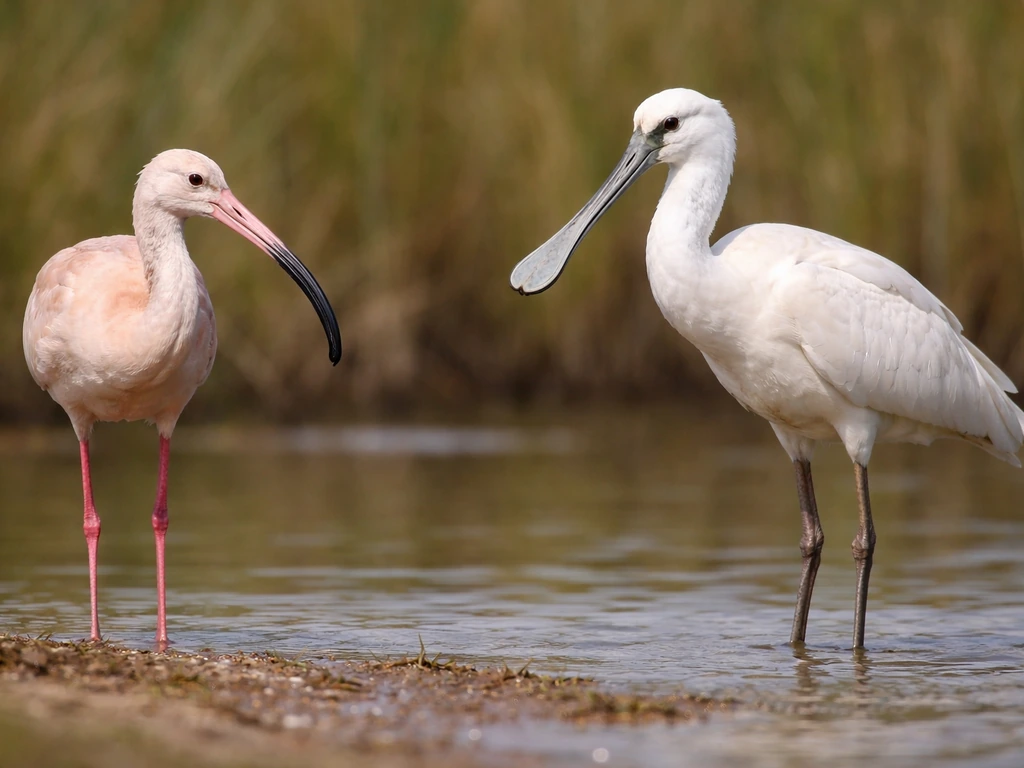
This is the one you're almost certainly looking at if you're in the US, especially in Florida, Texas, or the Gulf Coast. Adult spoonbills are bright rose-pink with a white neck and chest, red legs, and a naked pale greenish-gray head with vivid red eyes. That bare head is a great field mark when you're close enough to see it. The bill is the giveaway from any distance though: that flat, spoon-shaped tip is instantly recognizable and looks nothing like a flamingo's downward-bent, thick filter-feeding bill. Watch how it feeds too. Spoonbills wade into shallow water and sweep their half-open bill back and forth by feel, hunting minnows, small crustaceans, and insects. Flamingos, by contrast, dunk their head upside down and pump water through comb-like structures in their bill to filter out tiny food particles.
American Flamingo
If you're in South Florida (especially around Florida Bay or the Everglades), the Caribbean, or coastal Mexico, a true wild flamingo is possible. blank" rel="noopener noreferrer">American flamingos are taller and much more slender than spoonbills, with legs that seem impossibly long for the body. The color tends toward a deeper coral-pink, and the bent bill is unmistakable once you've seen it. They almost always appear in groups rather than alone. If you see a single large pink bird sweeping its bill side to side in a marsh, it's almost definitely a spoonbill. You may also be wondering what bird looks like a seagull, which can point to very different species than flamingos or spoonbills.
Great Egret or Tricolored Heron (lighting confusion)
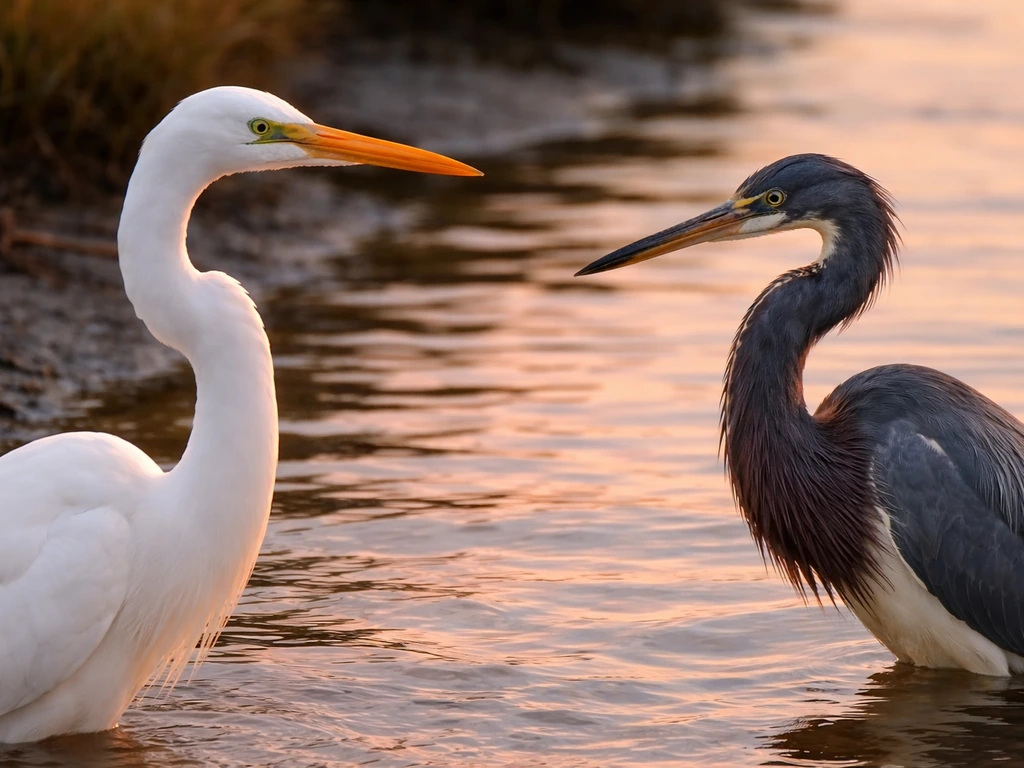
These aren't truly pink birds, but in golden-hour light or reflected sunset water they can look faintly rosy. Both have long legs and long necks, which adds to the momentary confusion. Check for white or gray-blue plumage in neutral light, a straight pointed bill (not bent or spatulate), and a much thinner, more upright hunting posture. If the bird seems like it might be a hummingbird, take a close look at the bill shape and overall body size straight pointed bill. They don't sweep their bills and they don't filter-feed.
Quick comparison at a glance
| Feature | American Flamingo | Roseate Spoonbill |
|---|---|---|
| Bill shape | Thick, sharply downward-bent at the middle | Long, flat, and spatula-shaped at the tip |
| Neck length | Extremely long, held in a tall S-curve | Shorter, more compact |
| Body build | Tall and pencil-thin | Stockier, heavier |
| Leg color | Pale pink to white | Red |
| Head | Fully feathered, long, uniform pink | Bare, pale greenish-gray with red eyes (adults) |
| Feeding behavior | Head upside down, filter-feeds by pumping water | Sweeps open bill side to side in shallow water |
| Typical range (US) | South Florida, rare elsewhere | Florida, Gulf Coast, Texas, Southeast |
Where you are narrows it down fast
Location is one of the most underused ID tools. Flamingos are strongly tied to large, shallow alkaline or saline lakes, coastal mudflats, estuaries, and salt lagoons, usually with very little vegetation in or around the water. In the US, wild American flamingos are primarily found in extreme South Florida, particularly around Florida Bay, the Everglades, and the Keys. Sightings elsewhere in the US are rare and always generate birding buzz. Chilean flamingos, which some people encounter in zoos and occasionally escape into the wild, prefer coastal mudflats, salt lakes, and estuarine lagoons in South America. If you're standing at a freshwater pond, a wooded wetland, or a creek in the Midwest or Northeast and you think you're seeing a flamingo, you're almost certainly looking at a spoonbill or a heron in tricky light. Spoonbills are far more adaptable to varied wetland habitats and commonly show up in mangroves, shallow bays, marshes, and flooded fields across the Southeast.
How to photograph it for a confident ID later
Even a phone photo can seal the ID if you get the right angles. Here's what to aim for:
- Get a clear shot of the bill from the side. The bent angle of a flamingo bill versus the flat spatula of a spoonbill is obvious in a side-on photo. This one image can settle almost every debate.
- Photograph the bird while it's feeding. The upside-down head posture of a flamingo is completely different from the side-sweeping motion of a spoonbill. A short video clip is even better than a still here.
- Capture a full-body shot that shows leg length relative to body size. Stand back and get the whole bird in frame so proportions are clear.
- If you're close enough, try to get a head shot showing eye color, bill color, and whether the head is feathered or bare. The pale green bare head and red eye of an adult spoonbill is immediately diagnostic.
- Note the date, time, and exact location (GPS from your phone works great). This matters both for ruling out species by range and for contributing useful data if you've genuinely spotted something rare.
Tricky cases: partial views, juveniles, and distance
Some situations make ID genuinely harder. Here's how to work through the most common ones: If you still are unsure after checking the feathers, shape, and color in your best angle, you can compare against other common look-alikes such as what bird looks like a robin.
- You only saw the silhouette at a distance: Focus on proportions. A flamingo silhouette shows an extremely long, thin neck stretching high above the body with legs that seem to extend even further. A spoonbill silhouette looks more balanced and compact, with a wider head when facing you due to the bill shape.
- The bird was pale white or very light pink: This is almost certainly a juvenile Roseate Spoonbill. Juveniles are mostly white with faint pink washes and have a fully feathered head, unlike the bare-headed adults. The bill shape is the same though, so if you got a photo of the bill, you can still confirm the ID.
- The bird was resting or sleeping: Spoonbills often sleep standing on one leg with their head tucked under their back feathers, which hides the bill. In this case, focus on leg color (red for spoonbills, pale pink/white for flamingos) and overall body proportions.
- The color looked more orange than pink: Both spoonbills and flamingos get their pink color from carotenoids in their diet, so the exact shade varies between individuals and seasons. Color saturation alone is not reliable. Always go back to bill shape and body proportions.
- You only saw the bird in flight: Flamingos fly with the neck and legs fully extended in a straight line, looking almost like a flying cross. Spoonbills also extend their neck in flight but have a noticeably broader, spatula-shaped bill you can spot from a reasonable distance. Both have pink coloring visible on the underwing.
The same approach that works for flamingo look-alikes works well for other tricky bird pairs too. If you've ever found yourself puzzling over a small brown bird at the feeder or wondering which beach bird you just spotted, the same principle applies: bill shape, body proportions, and feeding behavior will take you further than color alone. A robin is usually a small, round songbird with a warm reddish-orange breast and a gray-brown back what does a robin bird look like. This site covers plenty of other look-alike comparisons across common species if you want to keep building that visual vocabulary.
FAQ
Can a phone photo confirm whether it is a flamingo or a roseate spoonbill?
Yes, a photo can mislead you if the bird is backlit or sitting in reflective water. Use a quick check: if the pink is only on the outer edges or looks like an orange wash, it may be lighting. If the bird shows consistent pink in the feathers in shaded areas (or across multiple frames), treat it as real coloration before deciding between spoonbill and flamingo.
What single feature is most reliable if I have only a brief look?
If you only get one view, make it the bill test. Spoonbills have a flat, spatulate, spoon-shaped bill tip, used with a sweep in water, while flamingos have a noticeably thicker bill that is bent downward and held differently during feeding. Even from a distance, the bill silhouette usually separates them.
Why might a spoonbill look almost white, and how do I avoid misidentifying a juvenile?
Juvenile roseate spoonbills can be mostly white with only a faint pink tinge, so they may not look like adult roseate spoonbills at all. In neutral light, look for the pale greenish-gray bare head with red eyes (when visible), plus the spoon-shaped bill and the side-to-side sweeping feeding motion.
What should I do if the bird is pink only in golden-hour light, like a heron or egret?
Yes, herons and egrets can look pinkish in sunrise or sunset, and their long legs can mimic the flamingo silhouette. The differentiator is posture and feeding style: herons tend to stand more upright while hunting with a still or stabbing action, and their bills are not spoon-shaped or bent filter-feeding types.
If I see a single pink bird, does that rule out a flamingo?
Try not to decide based on “group vs single” alone, because spoonbills can sometimes appear with others. Use group behavior as a secondary clue: wild flamingos are more likely to show up in larger groups, but the bill shape and feeding method are the deciding factors.
How can I tell feeding behavior apart if the water is choppy or murky?
Stirred water can make a spoonbill’s feeding motion look messier, but the method is still different. Spoonbills keep their head more upright and sweep the half-open spoon-shaped bill side to side by feel. Flamingos typically feed by dipping the head upside down and pumping water through comb-like structures.
If both birds have long legs and long necks, what body-proportion clue helps?
On a calm day, look for how the bird holds its body relative to the legs. Flamingos usually look taller and more slender, with an upright, long-legged stance. Spoonbills have a slightly shorter, chunkier look, and their feeding posture involves active sweeping with the bill tip.
How much should location alone decide whether it is a flamingo?
Geography is useful, but not absolute. If you are in the US and the sighting is far from extreme South Florida coastal salt or alkaline wetlands, treat “flamingo” as a low-probability option and re-check bill shape and feeding. Escapes from zoos can happen, so confirm with clear bill silhouette rather than location alone.
What’s the fastest way to rule out other pinkish wading birds beyond spoonbill vs flamingo?
If you suspect a different “flamingo-like” species (for example, a roseate spoonbill vs a similar heron), do a quick elimination: verify the bill tip shape (spatulate spoon vs pointed vs bent-thick), check whether the head is bare (spoonbills) if close, and watch for sweeping vs filter-feeding. Color alone is the least dependable in tricky light.
Next Article
What Bird Looks Like a Mockingbird? Brown Look-Alikes
Find brown look-alikes of mockingbirds with field marks, habitat cues, and a photo-based checklist to confirm the ID.