An albatross is one of the most unmistakable birds on the planet once you know what to look for: a massive, long-winged seabird that glides effortlessly over open ocean with barely a wingbeat. Think of a very large, slender-winged bird with a long hooked bill, a long neck, and a way of banking and tilting over the waves that looks almost mechanical in its smoothness. Most albatrosses are white or dark brown on top with white undersides, though some species are almost entirely dark. The sheer wing length is the first thing you notice, and it stays the most reliable clue no matter which species you encounter.
What Does an Albatross Bird Look Like: Size, ID & Photos

Marcus Whitley
6 Aug 2026
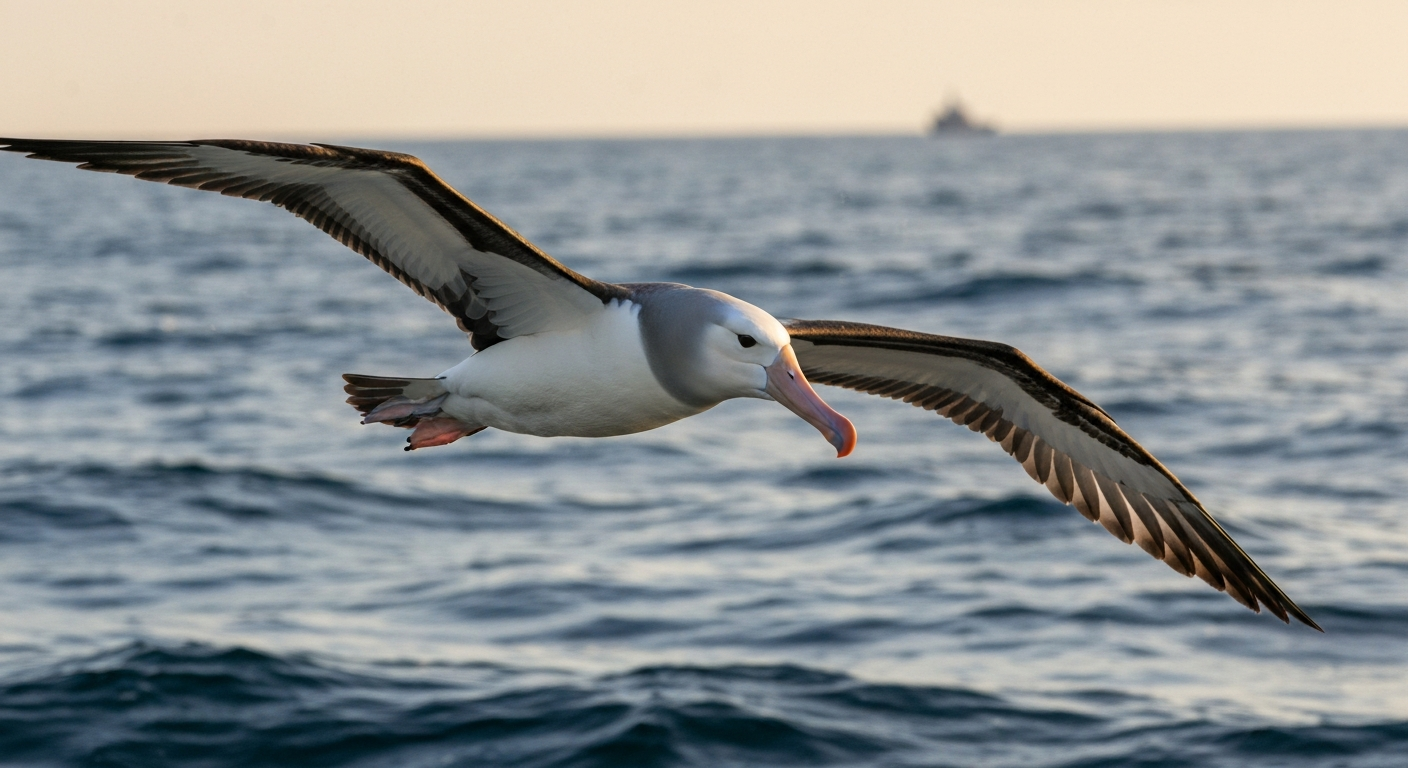
Quick visual ID at a glance
If you spot a very large seabird with impossibly long, narrow wings, a thick hooked bill, and a gliding flight that barely disturbs the air, you are almost certainly looking at an albatross. Albatross - BirdLife International describes albatrosses as very large, oceanic, tube‑nosed seabirds with extremely long, narrow wings adapted for dynamic soaring. No other seabird combines that wingspan-to-body ratio with that distinctive stiff-winged soaring style.
- Extremely long, narrow wings held stiffly and slightly bowed during gliding
- Large, thick bill with a noticeable hook at the tip and visible tube-nostrils along the top ridge
- Long, slender neck that stretches forward in flight
- Mostly white, dark-backed, or sooty overall depending on species
- Glides low over the sea with long arcing sweeps, rarely flapping
How big are albatrosses? Size and wingspan by species
Albatrosses range from impressively large to genuinely record-breaking in size. The family covers a fairly wide span of measurements, so knowing the rough numbers for each species helps a lot when you are trying to narrow down what you saw. Here is a quick comparison of the most commonly encountered species.
| Species | Body Length | Wingspan | Weight |
|---|---|---|---|
| Wandering Albatross | 105–135 cm | 3.0–3.5 m (max ~3.63 m) | 6–11 kg |
| Royal Albatross (Southern/Northern) | 110–130 cm | Over 3.0 m | 8–10 kg |
| Black-browed Albatross | 80–95 cm | 2.10–2.50 m | 3–5 kg |
| Short-tailed Albatross | 84–94 cm | 2.13–2.40 m | Several kg |
| Laysan Albatross | 80–82 cm | 1.95–2.03 m | 1.9–4.1 kg |
| Black-footed Albatross | 68–74 cm | 1.90–2.20 m | 2.4–3.7 kg |
To put the Wandering Albatross in perspective, a wingspan of 3.5 metres is roughly the width of a small car. Even the smaller Laysan and Black-footed Albatrosses have wingspans approaching 2 metres, which is still taller than most people. The largest Diomedea species (Wandering and Royal) are in a size category all their own, and if you see one at sea the sheer scale feels surreal.
Body proportions and overall silhouette
The albatross silhouette is defined almost entirely by those wings. They are extraordinarily long relative to body width, narrow from front to back, and held with a slight downward kink at the wrist when the bird is gliding. The body itself is fairly compact and torpedo-shaped by comparison. The neck is long and stretched forward in flight, giving the bird a slightly front-heavy look. The tail is short and wedge-shaped, contributing almost nothing visually compared to those wings.
When an albatross is sitting on the water, it rides high with its chest up and its bill angled slightly downward. The wings are folded tightly and extend well past the tail, which you might notice gives the bird a long, almost canoe-like outline from the side. On land at a breeding colony, albatrosses stand upright on fairly short, thick legs and look surprisingly stocky, almost penguin-like, until they open those wings.
Wandering Albatross: what adults and juveniles look like
Adult Wandering Albatrosses are the classic image most people have in mind: a mostly brilliant white bird with black wingtips. The back and upper wings gradually become whiter as the bird ages, and the oldest males can be almost entirely white apart from the black primary feather tips and a thin dark trailing edge to the wing. The bill is large and pale pinkish, and the head is a clean white with a faint pinkish blush to the face in some individuals. Underparts are white.
Juveniles, on the other hand, look almost like a completely different bird. A young Wandering Albatross fresh out of the nest is chocolate brown across the entire body, head included, with a white face mask and a white belly patch. You might notice pale crescents on the upperwing. As years go by (and this can take 5 to 9 or more years), the brown patches on the back and wings gradually break up into white mottling. Subadults pass through a long series of in-between looks, with the back clearing first and the upperwing staying dark the longest. Bill color shifts from darker and duller in young birds toward the pale pinkish tone of adults.
Laysan Albatross: what adults and juveniles look like
The Laysan Albatross is a much more compact bird than the wandering giants, but it has a very clean, graphic look that makes it easy to pin down. Adults have a white head, white neck, and white underparts. The upperwing and back are a dark gray-black, which creates a strong two-tone contrast when you see the bird from above or as it banks in flight. Look for the smudgy dark patch around the eye, like a shadow or a worn mascara smudge, which is one of the Laysan's most reliable marks. The bill on adults is pink with a darker tip.
Juveniles look similar to adults in basic pattern but have a few useful differences. The bill is noticeably grayer rather than pink, which is one of the clearest age clues in this species. The dark smudge around the eye tends to be a bit more extensive, and the underwing pattern may appear slightly darker or more heavily marked than on a fully adult bird. The upper rump can look a little darker on juveniles as well. Overall though, the dark-back-white-body pattern is already present in young Laysans, so the bill color and underwing details are your best tools for aging them.
Black-browed Albatross: what adults and juveniles look like
The Black-browed Albatross is one of the most striking of the mid-sized albatrosses, sometimes called mollymawks. Adults have a white head and white underparts, dark gray-black upperwings and back, and a broad dark leading edge to the underwing that creates a thick black border visible from a distance. The feature you really want to look for is the narrow dark eyebrow stripe, a clean dark line above the eye that gives the bird a somewhat stern expression. The bill is a warm yellowish-orange with a brighter orange tip, chunky and boat-shaped from the side.
Juvenile Black-browed Albatrosses are noticeably different. The head is darker gray-brown rather than white, and the neck has a grayish collar. The bill in juveniles is darker, more of a dull gray-yellow with a dark tip rather than the vivid orange-yellow of adults. The underwing dark border is still visible but tends to look smudgier. As the bird ages the head progressively whitens, the bill brightens, and the eyebrow becomes more distinct. A bird in full adult plumage is one of the cleanest-looking albatrosses you will encounter in the Southern Ocean.
Bills, nostrils, and legs up close
One of the things that sets albatrosses apart from all other large seabirds is the bill structure. The bill is long, thick, and hooked at the tip, built for gripping slippery prey at sea. Along the top of the bill, you can see the tubular nostrils running parallel to the ridge on each side, which is the feature that puts albatrosses in the broader 'tubenose' group along with petrels and shearwaters. These tubes are actually visible in good photographs and even with binoculars in reasonable light.
Bill color varies considerably by species and age, and it is one of the most useful identification tools you have. The Laysan Albatross has a pink bill with a dark tip in adults and a grayer bill in juveniles. The Black-footed Albatross has a uniformly dark, blackish bill that matches its dark plumage. The Short-tailed Albatross is distinctive for its notably large, pale pink bill, which takes on a bluish tinge at the tip as the bird ages. The Black-browed Albatross has that warm yellowish-orange bill with an orange tip in adults, shifting to duller gray-yellow with a dark tip in juveniles.
Leg and foot color is less often useful at sea since albatrosses spend so much time in flight or sitting on the water, but it can help on the ground or at close range. Most albatrosses have pale pinkish-white or flesh-colored feet, which can look almost washed-out in strong sunlight. The Black-footed Albatross is, as its name directly tells you, the exception with its dark blackish feet, which is a clean and reliable field mark when you can see the bird landing or walking.
Bill color by species at a glance
| Species | Adult Bill Color | Juvenile Bill Color | Foot Color |
|---|---|---|---|
| Wandering Albatross | Pale pinkish | Darker, duller pink | Pale pinkish-white |
| Laysan Albatross | Pink with dark tip | Gray | Pale pink |
| Black-footed Albatross | Dark blackish | Dark blackish | Black |
| Black-browed Albatross | Yellow-orange with orange tip | Dull gray-yellow with dark tip | Pale pinkish |
| Short-tailed Albatross | Large pale pink, bluish tip | Similar, slightly duller | Pale pink |
How albatrosses fly: what to look for at sea or shore
Albatross flight is genuinely unlike any other bird you are likely to see. They use a technique called dynamic soaring, using the difference in wind speed between the surface and a few metres above it to stay airborne with almost no effort. What this looks like in practice is long, sweeping arcs: the bird climbs up steeply into the wind, hangs for a moment, then wheels around and swoops low across the wave tops before rising again. You might go a full minute or more without seeing a single wingbeat.
When an albatross does flap, the wingbeats are slow and somewhat stiff, nothing like the rapid fluttering of a gull. The wings are held relatively straight with that slight droop at the wrist. From directly below or head-on, the wing shape looks like a very long, thin plank. From the side during a soaring climb, you can see the wings tilt and the wingtips flex slightly. In calm conditions, albatrosses will flap more often and look a bit labored, which can actually make them harder to identify at first since you lose that effortless soaring quality.
At distance, the key things to watch for are the wing-to-body ratio (wings looking absurdly long compared to the body), the stiff-armed glide posture, and the low banking flight over the waves. Albatrosses following a ship will often glide in wide circles well behind the stern, banking back and forth. If you are near a breeding colony on shore, you will see them coming in to land with wings spread wide and feet lowered, looking almost like a small plane on approach.
How albatrosses compare to similar large seabirds
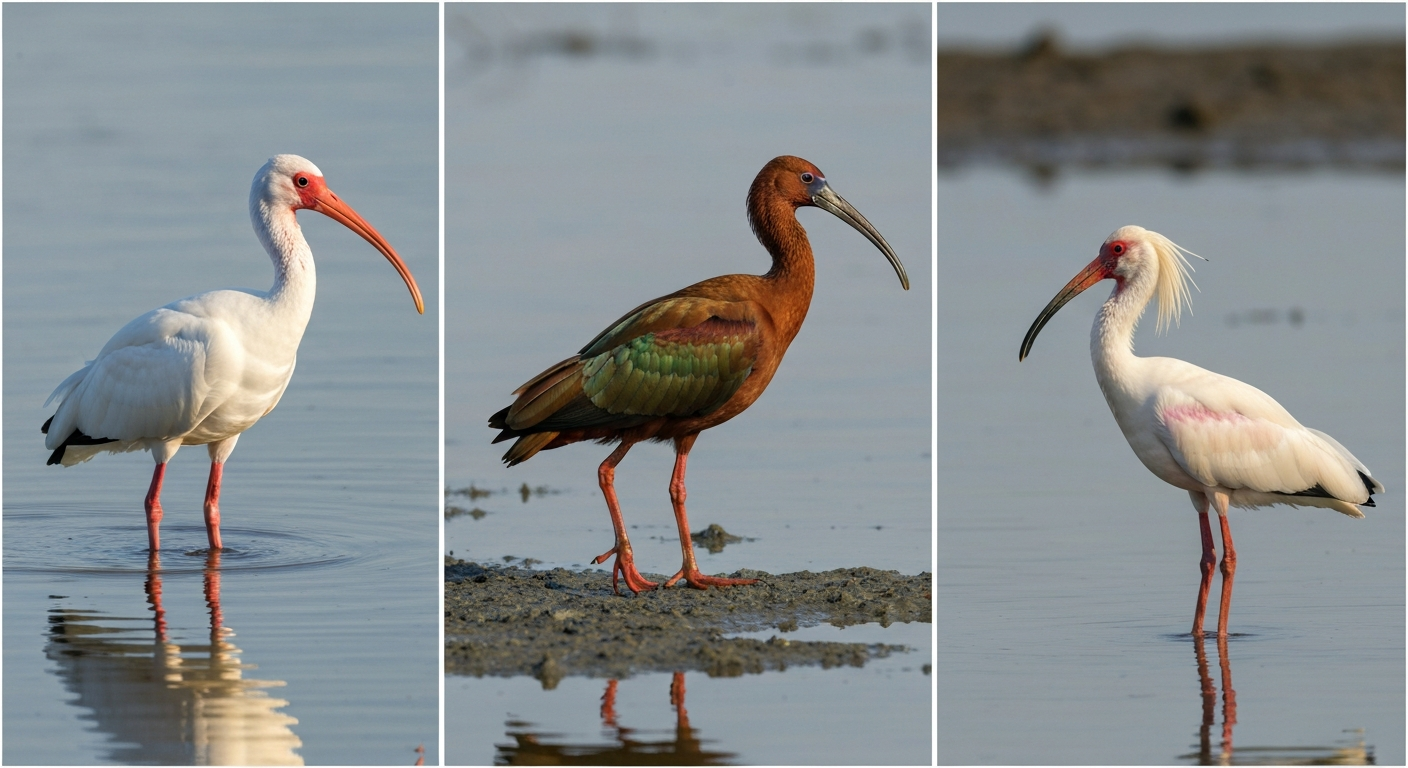
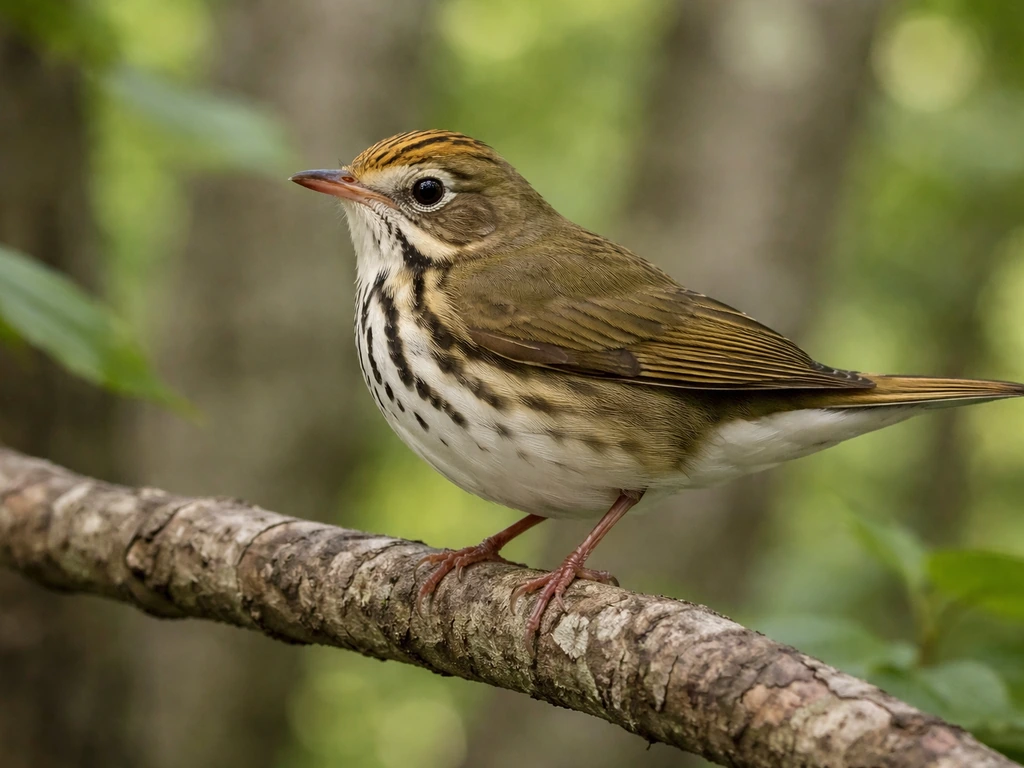
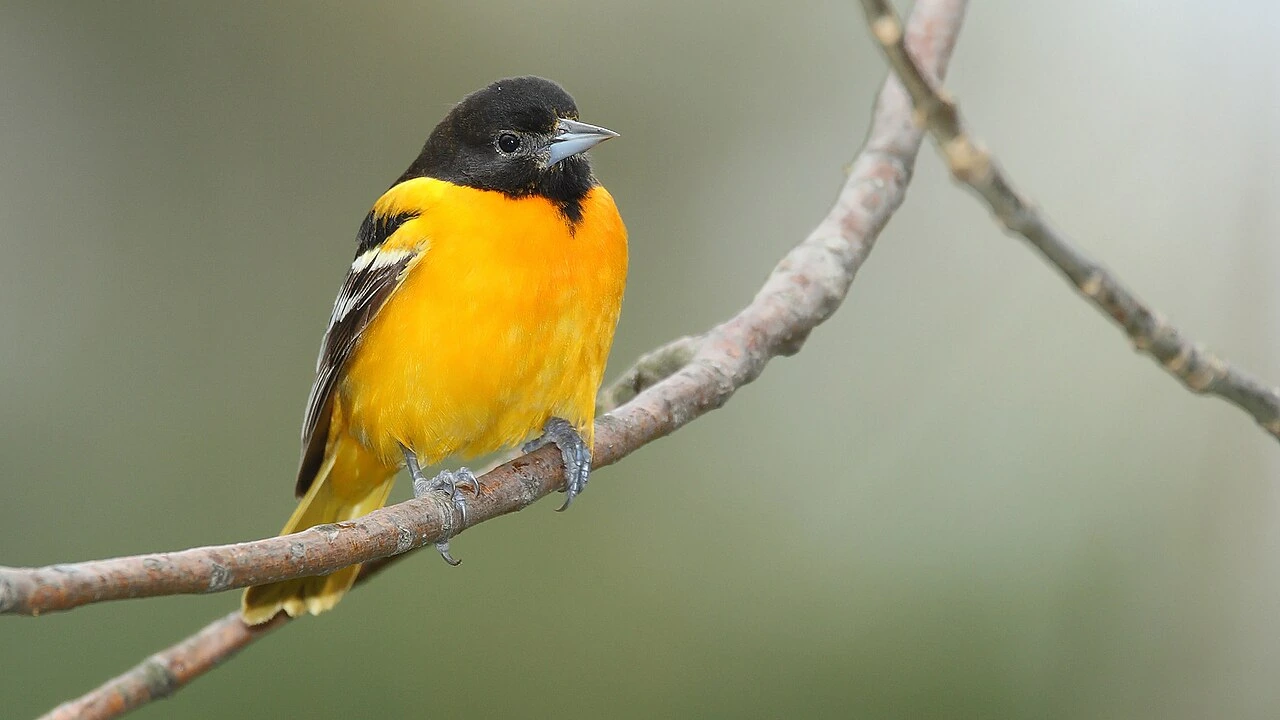
The birds most likely to be confused with albatrosses at sea are large petrels and giant petrels, and at greater distance maybe gannets or large gulls. If you're curious what is an ostrich like bird and how such large, terrestrial species differ from seabirds, see our short guide on ostrich-like birds for comparisons of posture, flight ability, and habitat. For comparisons with other long-billed wading birds, see the page on what does an ibis bird look like. The main differences come down to wing shape and flight style. Giant petrels have shorter, broader wings and a more flapping, less elegant flight. Gannets have pointed tails, pointed bills, and a completely different plunge-diving flight style. Large gulls are much smaller and have a flapping, buoyant flight. Once you have seen a real albatross soar, the difference is obvious, but these comparisons help when you are not certain. For contrast with inland predatory songbirds, see what does a butcher bird look like. For a comparison with a similarly named terrestrial species, see what does an oven bird look like. For a clear contrast with a very different raptor, see what does an osprey bird look like. For a quick comparison with a small, brightly colored passerine, see what does an oriole bird look like.
Within the albatross family itself, size is the first separator. The wandering and royal albatrosses are in a league apart in terms of sheer wingspan. Among the mid-sized species, bill color and upperwing pattern do most of the work. The Black-browed's dark eyebrow and vivid bill, the Laysan's clean two-tone pattern with the eye smudge, and the Short-tailed's uniquely large pink bill are all distinctive once you know what to look for. The all-dark Black-footed Albatross stands apart from everything else in its range simply by being uniformly sooty brown-black.
Practical tips for identifying albatrosses in the field or in photos
In the field, your best starting points are wing length relative to body, the overall color pattern (white-and-dark vs all-dark vs nearly all-white), and then bill color if you can get close enough. Oceanic Birds of the World: A Photo Guide (discussion of polymorphism and morph frequencies) notes that several oceanic petrel and albatross taxa show light and dark morphs or strong geographic plumage variation, e.g., typically sooty Phoebetria species and some Thalassarche populations, with the proportion of dark morphs varying by colony or population. A good pair of binoculars makes a real difference at sea. Try to note the pattern on the underwing, specifically whether it has a broad dark border, a thin dark border, or is mostly clean white underneath, since this narrows things down quickly between species like the Black-browed, Laysan, and Wandering.
For photo identification, shoot in burst mode to catch the bird at different angles since the underwing pattern, bill color, and face markings are all most visible at different moments. A shot from directly below as the bird soars overhead shows the underwing perfectly. A head-on shot shows bill shape and face marks. If you have only one shot, try to get the upper body and bill in the same frame. In any photo, the tubular nostrils along the top of the bill are a visible confirmation that you have a tubenose, not a gull or gannet.
- Check wing length relative to body first — disproportionately long and narrow means albatross
- Note the overall color: all-dark, white-with-dark-back, or mostly white
- Look at the bill color and shape — pink, yellow-orange, dark, or notably large and pale
- Check the underwing pattern for a broad dark border, thin border, or clean white
- Look for the eye smudge or eyebrow stripe on the face
- Watch the flight style — long soaring arcs with few or no wingbeats confirms it
- In juveniles, expect darker overall plumage and a duller bill than on adults
Suggested images and illustrations to look for
When building a mental image of albatrosses, a few key photo types are particularly useful. A head-on shot of a bird soaring directly toward you shows the full wingspan and wing shape at its most dramatic. A low-angle side view during a banking turn shows the body silhouette and the kink at the wrist clearly. A close portrait shot from roughly eye level at a breeding colony shows bill structure, face markings, and tubular nostrils in clear detail. Side-by-side comparison images of the Laysan, Black-footed, and Short-tailed Albatrosses are especially helpful for North Pacific identification, since the three species share overlapping range. For the Southern Ocean species, juvenile-to-adult plumage sequences for the Wandering Albatross are invaluable, since the intermediate stages are some of the most confusing plumages in seabird identification. For a clear example of using color, pattern, and bill shape to identify a species, see what does a Baltimore Oriole bird look like.
One-line field checklist
When you spot a large seabird at sea, run through this quick mental checklist: very long narrow wings with stiff gliding flight (yes) + thick hooked bill with visible tube-nostrils (yes) + white-and-dark or all-dark plumage pattern (confirm) + slow arcing flight with few wingbeats (yes) = albatross confirmed, then use bill color and face marks to narrow down the species.
FAQ
Quick ID summary — how can I instantly recognize an albatross at a glance?
Very large oceanic seabird with extremely long, narrow wings (high‑aspect), a long slender neck and a stout, often hooked tube‑nose bill. Look for effortless gliding with long wings held straight or slightly tilted, few wingbeats, and a body that looks small relative to wingspan. Many adults show bold head/face patterns or all‑white plumage (Diomedea), while some species are uniformly dark (Phoebetria, Black‑footed).
What are the precise size and wingspan ranges across albatross species?
Sizes vary by genus and species: Diomedea (wandering/royal) are largest — body length ~105–135 cm and wingspan commonly ~3.0–3.5+ m (max recorded ≈3.6 m). Southern royals similar in bulk (length ~110–130 cm; wingspan >3.0 m). Mid‑size mollymawks (Thalassarche, e.g., black‑browed) are ~80–95 cm long with wingspans ≈2.10–2.50 m. North Pacific Phoebastria: Laysan ~80–82 cm, wingspan ≈1.95–2.03 m; Black‑footed ~68–74 cm, wingspan ≈1.90–2.20 m; Short‑tailed ~84–94 cm, wingspan ≈2.13–2.40 m. Mass ranges from ~2–4 kg in smaller Phoebastria to 6–11+ kg in the largest Diomedea.
What do adult versus juvenile albatrosses look like?
General pattern: juveniles and subadults are usually darker (browner/greyer) overall and acquire adult pale/white feathers gradually over multiple years. In large Diomedea, juveniles are extensively dark and take 5–9+ years to turn mostly white. In Phoebastria (Laysan, Black‑footed, Short‑tailed), juveniles often show darker head/underparts, a greyer bill (Laysan juveniles), or browner feather edges; adults develop the definitive bill and face colors. Black‑footed remain dark at all ages but immatures may be slightly browner with paler feather edges.
How do bill, legs and other distinguishing features differ between common species?
Wandering/Royal (Diomedea): large, pale to pinkish stout bill; legs usually pale/grey. Laysan (Phoebastria immutabilis): adult bill pink with a darker tip; dark eye ‘smudge’ and white head/underparts. Black‑footed (Phoebastria nigripes): uniformly dark plumage, dark/black bill and black feet (key ID). Short‑tailed (Phoebastria albatrus): large pale pink bill that often turns bluer at tip with age — very diagnostic in North Pacific. Black‑browed (Thalassarche melanophris): yellowish–orange bill with orange tip and a narrow dark brow/eyepatch across the forehead/eye. Tube‑nose nostrils (naricorns) on top of bill are visible with good views.
What plumage and color‑pattern details should I look for by species (adult and juvenile)?
Wandering/Great Albatross (Diomedea): adults often largely white with varying dark trailing edges on wings; juveniles dark brown/grey overall, gradually whitening. Southern/Northern Royal: similar to Diomedea — large white adults, dark juveniles. Laysan: adult white head/underparts, dark upperwings, a dark eye smudge; juvenile darker around head and have greyer bill. Black‑footed: adults and juveniles sooty/blackish overall; juveniles slightly browner with faint feather edges. Black‑browed (Thalassarche): adult white head and underparts, dark upperparts, narrow black brow/eyepatch and yellow‑orange bill; juveniles duller with greyer bill and less distinct brow. Light‑mantled (Phoebetria palpebrata): uniformly sooty grey with paler mantle contrast and fine pale facial patch in some birds.
What flight silhouette and behavior cues help ID albatrosses at sea or on shore?
Silhouette: extremely long, narrow wings with pointed tips, slender body and long neck; wingbeats are slow and very deep when used, but most flight is long glides with wings held rigid. Behavior: dynamic soaring — using wind gradients close to wave crests; they frequently circle, slope across swells and flap rarely. Diomedea show very slow, deep wingstrokes and long glides; mollymawks (Thalassarche) show more flapping interspersed with glides. On land or water, look for upright posture, strong bill profile, and communal loafing near colonies.