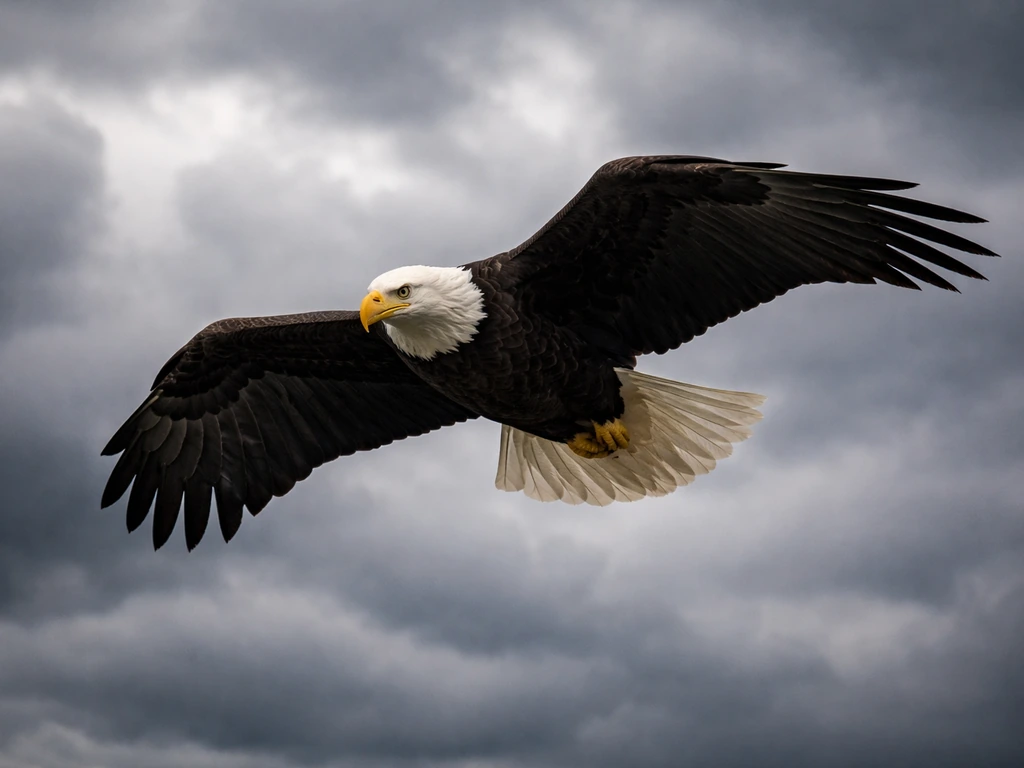
Several large raptors can stop you in your tracks and make you think 'eagle,' but most of the time what you're actually looking at is a Red-tailed Hawk, an Osprey, a Northern Harrier, or a Golden Eagle. Birds that resemble a penguin are often a trick of angle and overall shape, and they are usually not true penguins. The trick is knowing which features to check first, because a single glance at size or dark plumage isn't enough. Once you know what to look at (wing shape, tail pattern, head size, and how the bird moves through the air), you can usually nail the ID in seconds, even from a distance. A Bald Eagle can look surprisingly similar to several large raptors, so it helps to compare key details like wing posture, head and tail shape, and the bird's movement.
What Bird Looks Like an Eagle? Quick Look-Alike ID Guide

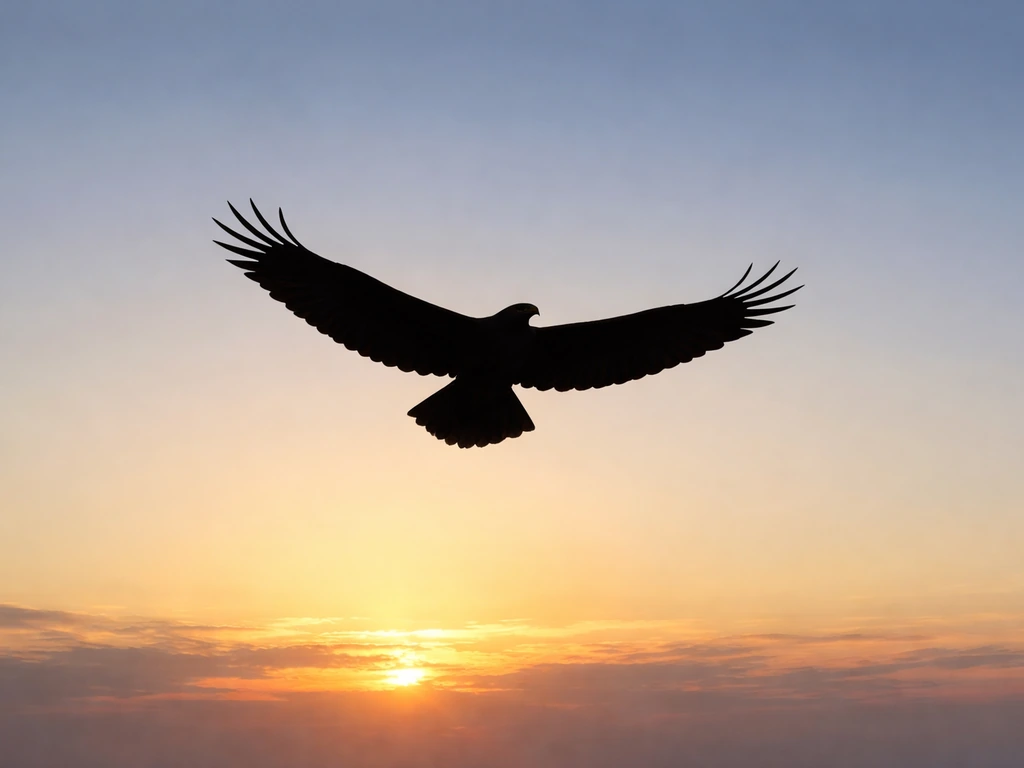
Why so many birds look like an eagle
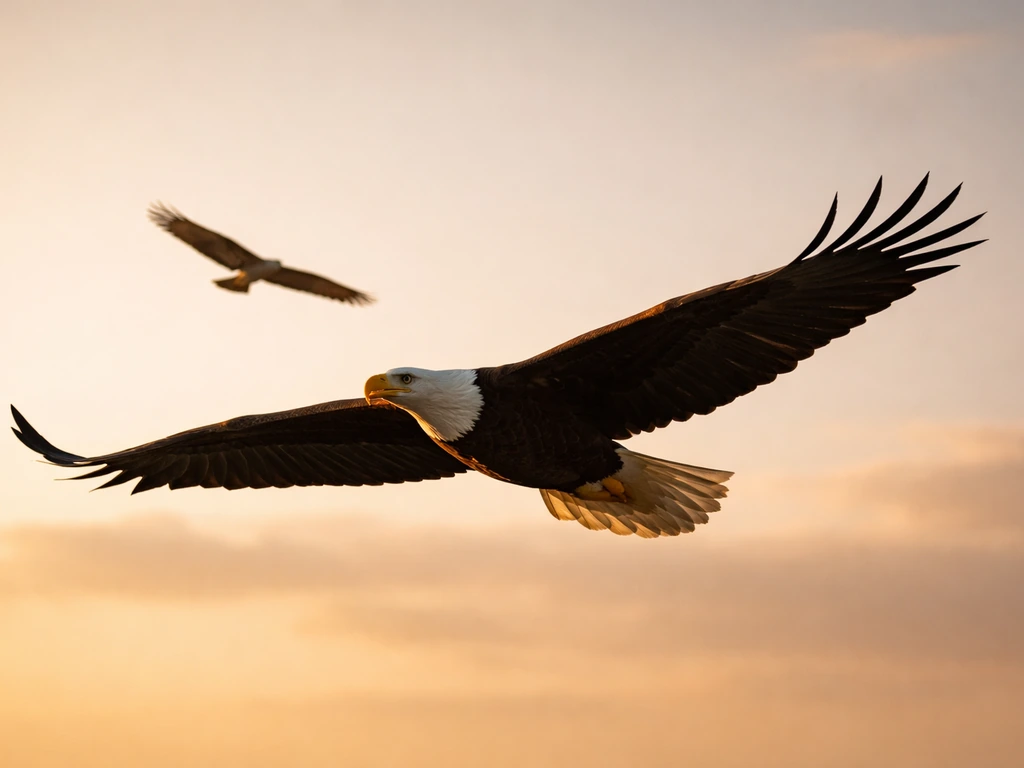
Eagles belong to a broader group of soaring raptors that share a common body plan: long broad wings built for riding thermals, a heavy hooked bill, and a large body relative to other birds. That silhouette is shared, to varying degrees, by buteo hawks like Red-tailed Hawks, fish-hunting specialists like Ospreys, and low-coursing hunters like Northern Harriers. When you spot one overhead at any distance, the basic shape reads 'eagle' before your brain registers the finer details. Add in juvenile plumage, which tends to be streaky, mottled, and brown across almost all these species, and the confusion compounds fast.
Size is also deceptive in the field. A Bald Eagle has a wingspan of roughly seven feet, but a large Red-tailed Hawk soaring alone overhead can look enormous against an open sky with no reference point. That's why experienced birders build identifications from multiple clues at once rather than relying on a single feature like size or color.
Quick visual checklist: in flight vs. perched
Before diving into specific look-alikes, run through this mental checklist the moment you spot a bird. Different views give you different clues, and knowing which ones to prioritize saves time.
When you see it in flight
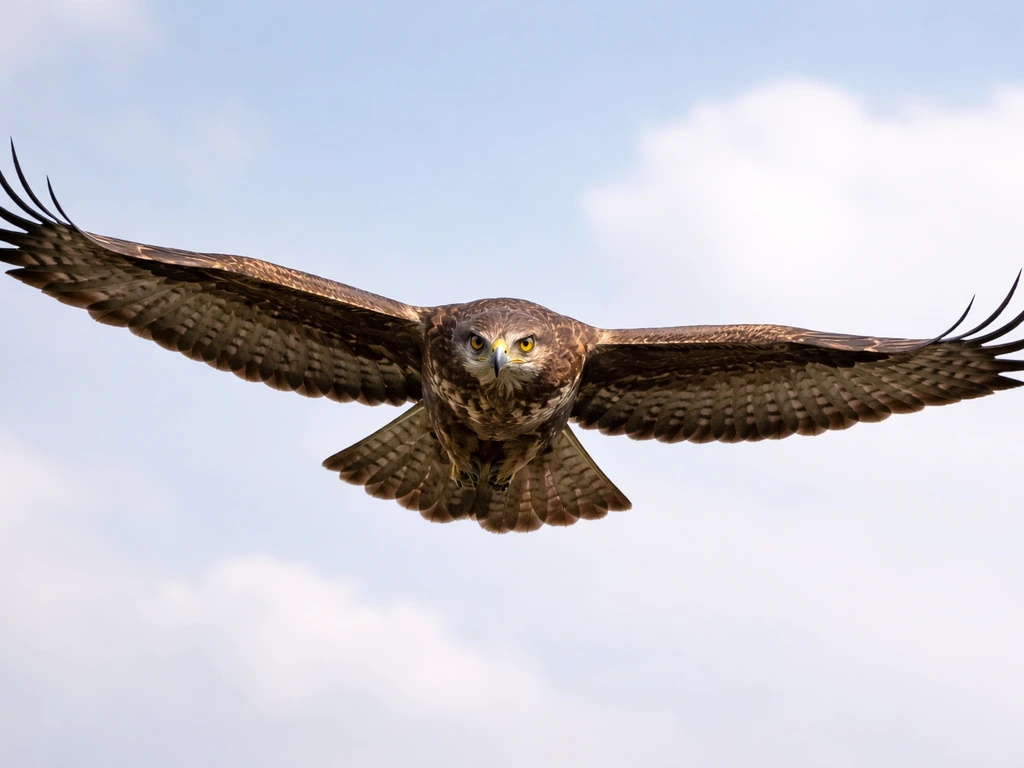
- Wing posture: are the wings flat and board-like, angled slightly upward in a V (dihedral), or kinked backward at the wrists?
- Wingbeat style: are the beats slow and powerful, languid and floppy, or steady and mechanical?
- Tail shape: long and narrow, short and fanned, or with a distinctive pattern like a white rump or dark terminal band?
- Head projection: how much neck and head sticks out in front of the wings? Eagles project a long neck relative to tail length.
- Underside pattern: mostly dark, all white below, or a contrasting mix of brown and white patches?
- Behavior: circling on thermals high up, coursing low over fields, or hovering above water?
When it's perched
- Bill color and size: yellow and heavy like an eagle's, or smaller and darker?
- Head color: white, brown, tawny, or streaked?
- Tail color: reddish-brown on top, banded, or white with a dark tip?
- Leg feathering: are the legs feathered all the way down to the toes (Golden Eagle) or bare-legged (Osprey)?
- Overall bulk: does it look truly massive, or more like a large crow-sized bird that just caught your eye?
The most common eagle look-alikes (and how to tell them apart)
Red-tailed Hawk
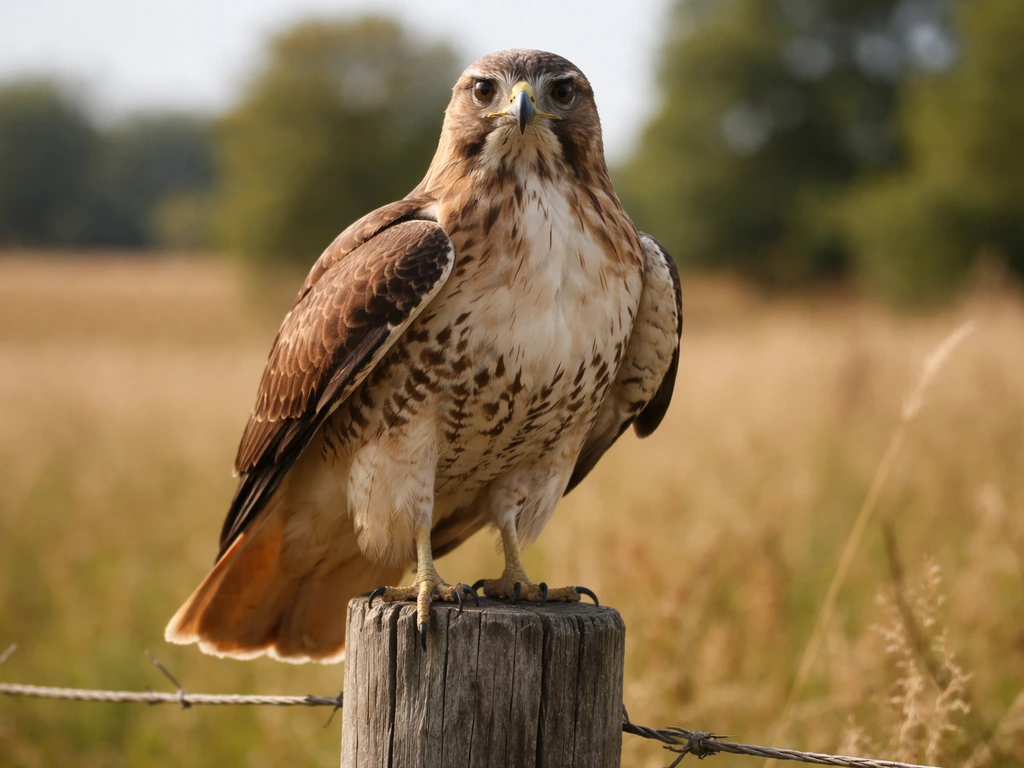
The Red-tailed Hawk is probably the bird you're looking at. It's North America's most common large raptor, and it posts up on telephone poles, fence posts, and treetops everywhere. In flight, you'll notice a 'muscular' look, with round-tipped wings and bulging secondary feathers that give the trailing edge a slightly S-shaped curve. Adults flash a brick-reddish tail on the upper side, which is the fastest ID clue if you can see it. Look also for a dark patagial bar, a smudgy dark stripe along the front edge of the underwing that shows up clearly when the bird is banking overhead. It's smaller than a Bald Eagle and holds its wings flat or in a very shallow V, but it lacks the long-necked silhouette that eagles project.
Osprey
Ospreys are one of the most eagle-like birds you'll encounter near water, and the confusion is understandable because they're large and powerful. The giveaway in flight is the wing shape: Osprey wings show a distinctive crook or bend at the wrists, so the wingtips angle slightly backward, almost like a gull. That M-shaped outline when seen from below is unlike any eagle. The underside is mostly white with brown 'wrist patches' and strongly barred flight feathers, which is a stark contrast to the mostly dark underside of a soaring eagle. Ospreys also circle high over relatively shallow water before diving feet-first for fish, a behavior that's very different from the thermal-soaring or low treetop-flapping you'd see from a Bald Eagle.
Northern Harrier
At first glance, a Northern Harrier crossing a field can seem large and eagle-like, especially a female or juvenile in brown plumage. But the flight style is the immediate tell: harriers have languid, floppy wingbeats and glide with wings raised in a clear dihedral, rocking side to side as they course low. The single fastest ID mark is the bright white rump patch, a bold square of white at the base of the tail that flashes every time it banks. The tail also shows multiple dark bars (usually five to seven narrower bands) with a broad dark subterminal bar, totally different from an eagle's tail. No eagle shows a white rump patch, so if you see that, you can rule out an eagle immediately.
Golden Eagle
Golden Eagles are genuine eagles and the closest thing to a Bald Eagle in terms of size and silhouette, so this is the comparison that really matters. Both are very large dark raptors, but the flight posture is the key split: Bald Eagles hold their wings completely flat like a plank, while Golden Eagles fly with wings raised in a slight dihedral and end each wingbeat sequence with a noticeable upward snap. If you're seeing an adult Golden Eagle, look for crisp white patches restricted to the inner primaries and the base of the tail, not the full white head and tail of an adult Bald. The Golden Eagle also has fully feathered legs all the way to the toes, which you can occasionally see on a perched bird.
| Feature | Bald Eagle | Golden Eagle | Red-tailed Hawk | Osprey | Northern Harrier |
|---|---|---|---|---|---|
| Wing posture in soar | Flat, board-like | Slight dihedral (V) | Flat to very shallow V | Kinked/bent at wrists | Raised dihedral, rocking |
| Wingbeat style | Slow, powerful | Slow, ends in upward snap | Steady, 'muscular' | Steady, bowed wings | Languid, floppy |
| Head/neck projection | Long (about 50% of tail length) | Shorter projection | Short | Short | Owl-like face, short |
| Tail pattern | White (adults); banded (immatures) | White base, dark tip (immatures); dark (adults) | Reddish-brown (adults) | Barred | 5-7 dark bars + white rump |
| Underside color | Dark with white head/tail | Dark; white wing patches (imm.) | White with dark patagial bar | White with brown wrist patches | Variable; always white rump |
| Leg feathering | Bare lower leg | Feathered to toes | Bare lower leg | Bare | Bare |
Juvenile vs. adult look-alikes: plumage changes everything
This is where most eagle misidentifications happen. Juvenile and immature raptors look dramatically different from the adults you see in field guides, and the changes happen gradually over several years. A juvenile Bald Eagle, for example, is entirely dark brown with white mottling on the belly and no white head or tail at all. By its second year it develops a white belly but a brown chest with a dark mask. By the fourth year it still shows variable flecking on the head and a dark tip to the tail, so it doesn't look 'classic' at all. Meanwhile, juvenile Golden Eagles have white patches on the wings and a white tail base with a sharp dark terminal band, which actually makes them look more patterned and lighter than adults.
The practical takeaway: if you see a large dark raptor that doesn't match the clean adult eagle pattern from a field guide, don't rule out eagles. Bald Eagles take four to five years to reach adult plumage, and Golden Eagles follow a similar timeline. A streaky brown bird the size of a small table could absolutely be a third-year Bald Eagle. Check the overall size, the flat wing posture, and the long-necked silhouette rather than expecting a white head.
Red-tailed Hawk juveniles also add to the confusion. Young birds have a brown, narrowly banded tail rather than the classic reddish one, so the easiest adult mark disappears. In that case, lean on wing shape, the patagial bar (which juvenile Red-tails still show), and relative size.
Use location and habitat to narrow the list fast
Where you are makes a huge difference. If you're watching over open water, a large dark raptor circling above is far more likely to be an Osprey than an eagle, especially if it eventually dives feet-first. If you're in an open field or marsh and a big brown bird is coursing low with rocking, wobbly flight, think Northern Harrier before you think eagle. If you're in a mountainous or wild area in the western U.S. or in open tundra, Golden Eagle becomes a real possibility. Bald Eagles concentrate near large bodies of water, rivers, and coastlines where fish are accessible, though they also gather at large carrion sites and roost communally in winter.
Season matters too. Red-tailed Hawks are year-round residents almost everywhere in North America, so they're statistically the most likely large raptor you'll encounter at any time. Northern Harriers are more visible during migration and winter when they move into agricultural lowlands. If you're seeing something in late summer near a lake in the Pacific Northwest, Osprey is near the top of the list. Golden Eagles are more visible during fall migration along ridge lines and in open western landscapes.
How to verify your ID before you commit to an answer
One quick look is rarely enough for a confident eagle ID. The best habit is to build the identification from multiple features observed over several minutes rather than calling it on a single mark. Here's a practical approach:
- Note the first thing you notice (size, wing shape, or color), then immediately try to verify with a second feature. If wing posture says 'eagle,' check the head projection and tail next.
- If you have a camera or phone, take several shots from different angles. The underwing pattern, tail base, and head shape all reveal more in photos than they do to the naked eye in a fleeting moment.
- Watch the bird for at least a few minutes if possible. Wingbeat cadence, soaring behavior (thermal circling vs. low coursing vs. hovering over water), and posture shifts are critical, and they're easy to miss in a single glance.
- Pay particular attention to the tail during banking turns. That's when you'll see the tail pattern, the rump area, and the underwing all at once.
- For perched birds, try to get a broadside view at eye level if you can approach slowly. Leg feathering, bill color, and the overall head-to-body proportion are much clearer from the side than from below.
- Compare your photos against multiple images showing different ages and lighting conditions, not just the single 'classic adult' image. A juvenile bird will almost never match the clean adult photo.
Common mistakes that lead to a wrong ID
Calling it an eagle because it's big is the most common error. Without a reference point in an open sky, a large Red-tailed Hawk looks enormous, and many people lock onto size as the primary clue. Size matters, but only when you have something to compare it against, like another bird flying nearby or a tree branch it's sitting on.
Ignoring wing posture and going straight to plumage is another frequent mistake. Plumage varies wildly with age and lighting, but wing posture in flight (flat board vs. dihedral vs. kinked wrists) is remarkably consistent and visible from far away. Train yourself to check posture first.
Dismissing a bird as 'not an eagle' because it doesn't have a white head is a third pitfall. Remember that Bald Eagles spend four or five years without that white head, and many of the eagles you see along rivers in winter are young birds in mottled brown plumage.
Finally, don't rely on a single feature when conditions are imperfect. At distance, ground-level details become invisible, and backlighting washes out color. When you're not sure, note every feature you can and cross-check them together. A bird that 'kind of looks like an eagle' but shows a white rump, a rocking flight, and coursing low over a marsh is a Northern Harrier, full stop. Some birds also mimic peacock-like patterns, so if the look just seems “peacocky,” verify the species by checking wing shape, tail pattern, and overall behavior. That same kind of look-alike confusion also applies to other species that can resemble a turkey, so checking size, body shape, and head details together helps a white rump. Letting one uncertain feature override a set of consistent ones is how misidentifications stick around. If you’re also wondering, “what bird looks like a woodpecker,” look for species with strong climbing behavior and a stout bill rather than the soaring raptor features discussed here.
FAQ
If I only get a brief glance, what single feature should I check first to avoid calling it an eagle too quickly?
Check wing posture in flight (flat like a board, slight dihedral, or kinked at the wrists). Posture is much more consistent across ages than color, and it separates the most common confusions like Osprey (crooked wrist bend), harrier (raised dihedral with rocking), and most true eagles (flat, “plank” wings).
How can I tell an immature Bald Eagle from a large Red-tailed Hawk when the colors don’t match?
Don’t wait for white on the head or tail. Instead, compare the silhouette and tail pattern together: eagles project a more long-necked look and a heavier “overall body” shape, while Red-tails typically keep a bulkier but shorter silhouette and show patagial bar and trailing-edge feel in the wings. If possible, watch for the eagle-style wing hold versus the Red-tail’s flatter, but still different, wing set.
What’s the best way to confirm an Osprey if it’s circling high and I can’t see the dive?
Look for the wing shape signature during the circle. Ospreys often show an unmistakable wrist bend that makes the wingtips angle backward slightly, creating a gull-like look. If you can see underside feathering, check for the contrast of white underparts with darker wrist patches and barred flight feathers, rather than overall “dark eagle” color.
Can a Northern Harrier be mistaken for an eagle while perched or at a distance?
Yes, but you can usually still catch it by behavior and tail-base markings when it banks or shifts. The bright white rump patch is the key exclusion clue, it shows up as a flashing square at the base of the tail. If you can see the tail pattern, harriers also show multiple narrower dark bars plus a broad subterminal bar, which is not how eagle tails typically look.
Why does size feel unreliable for eagle look-alikes, and what should I use as a reference point instead?
Because a solitary raptor overhead looks larger when there is no nearby object for scale, and birds can also fly at very different distances. Use a reference like a nearby tree, rooftop, fence, or another bird in the same frame. If you can compare two birds at once, size becomes much more meaningful than when the bird is alone against open sky.
What should I do if backlighting or distance makes the plumage colors washed out?
Switch your priority to structural cues that survive lighting changes: wing posture, tail shape (length and how it ends), and flight style (soaring with flat wings, low coursing with rocking, or circling before a dive). Color-based ID will often fail when a bird is silhouetted or when the light is behind it.
How can I tell apart adult Golden Eagle versus juvenile Golden Eagle when they look “patchy”?
Use the pattern placement and the overall body impression. Adults tend to show crisp white limited to inner primaries and the base of the tail, while juveniles have more broadly patchy, streaky-looking tones with a more barred or mottled look. Also watch wing posture, Golden Eagles typically fly with wings slightly raised in dihedral and show an obvious upward snap at the end of wingbeat sequences.
If I see a “white rump” or a flash of white at the tail base, does that always mean harrier?
In this context, a clearly visible white rump patch strongly points away from eagles and toward a Northern Harrier. Still, confirm with flight behavior, harriers usually fly low with rocking side to side and show a conspicuous dihedral. If the bird is soaring high like a thermal rider, re-check distance and whether the “white” is actually underside tail coverts.
What are the most common mistakes when someone tries to ID an eagle-like raptor from a photo?
Mistakes include freezing the bird in one angle and trusting color alone. Another frequent issue is cropping out the tail base, which is crucial for spotting harrier-type rump flash. Try to capture wing posture and tail pattern in the frame, and if you only have one photo, be cautious with conclusions because angle and lighting can hide the most diagnostic details.
When should I update my ID guess while I keep watching, instead of sticking with the first impression?
Re-evaluate after you get a different view that reveals wing posture or tail-base markings. A single early impression based on “dark and big” can be misleading for several years of juvenile plumage. If later you observe consistent features that don’t fit your first guess, change it, and record what feature triggered the switch.
What Bird Looks Like a Bald Eagle? Key Look-Alikes
Learn key bald eagle traits and compare top look-alikes with clear field marks to identify the right raptor fast.