If you searched "what does a bird dog look like" hoping to identify a bird you spotted outside, you're not alone in the confusion. The phrase "bird dog" almost always refers to a type of hunting dog, not a bird species. But there are a few good reasons people end up searching this on a bird ID site, and this guide will help you figure out exactly what you're actually looking for and how to find it.
What Does a Bird Dog Look Like? ID Guide and Lookalikes

Marcus Whitley
17 Jun 2026
Wait, is "bird dog" a bird or a dog?
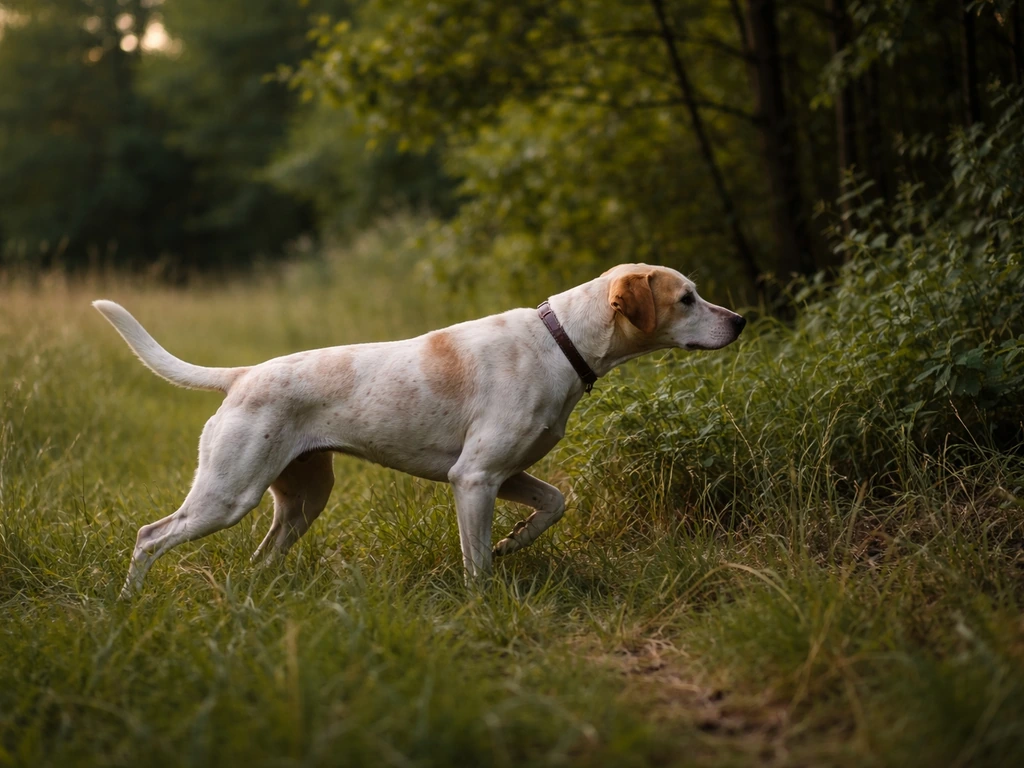
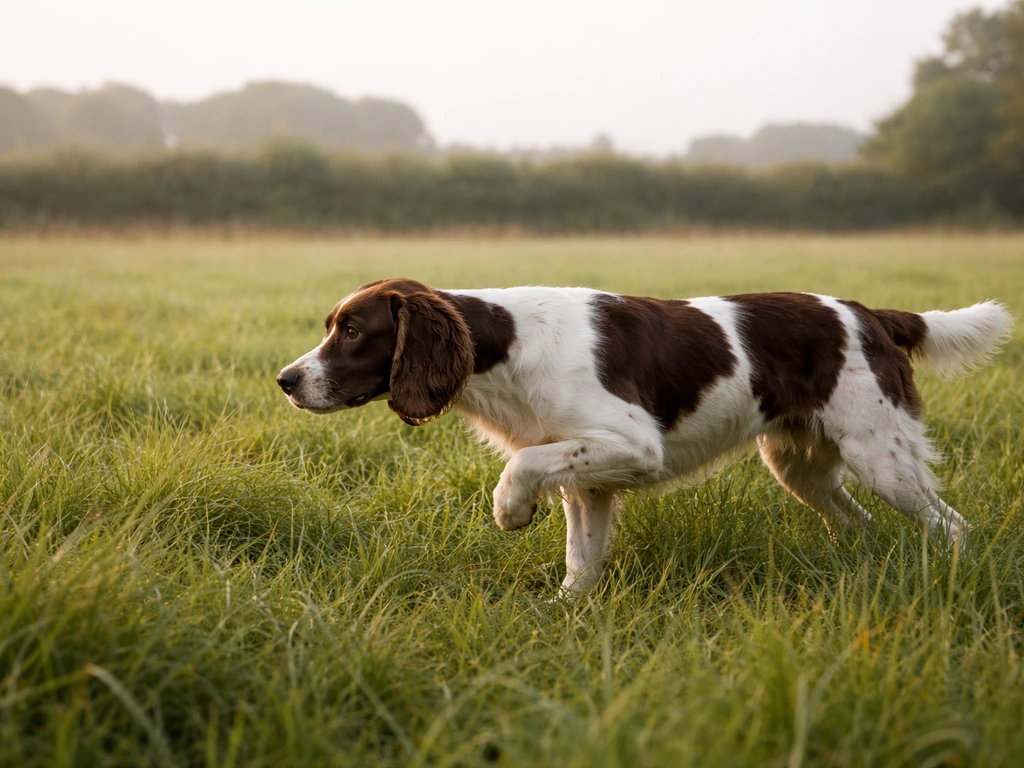
A bird dog is a dog. Specifically, it's any dog bred and trained to help hunters locate and flush or retrieve game birds like quail, pheasant, chukar, and ruffed grouse. In Collins Dictionary (American English), “bird dog” is defined as a dog trained for hunting birds, and it can also be used as a verb meaning to tail, track, or scout something [Collins Dictionary defines “bird dog” as a dog trained for hunting birds](https://www. collinsdictionary.
com/us/dictionary/english/bird-dog). The term has been used in this sense since the early 1800s and covers a whole category of working dogs, most famously Pointers and Setters. The American Kennel Club, Britannica, and every major dictionary all define "bird dog" the same way: a hunting dog that works with gunners in the field to find upland game birds using its nose. In parts of the American South, the word is used so specifically that it practically just means "Pointer.
"
So if you're here because you saw an interesting bird in your backyard or on a walk and someone called it a "bird dog," that's a nickname or a mishearing of another bird name, not an official species name. The most likely candidates are birds like the American Woodcock (sometimes nicknamed the "timberdoodle" or confused with game birds), or upland game birds like the Bobwhite Quail or Ruffed Grouse, which are the very birds that actual bird dogs are trained to hunt.
The common mix-up: bird species vs. hunting dogs
Here's where the confusion usually comes from. Someone watches a nature video, hears a hunter or wildlife person say "bird dog," and wonders what creature they're picturing. Others genuinely think "bird dog" might be a regional name for a specific bird. And honestly, it's a fair assumption since birds do get all kinds of colloquial nicknames. To be clear though, there is no bird species officially or commonly called a "bird dog." If you're trying to identify a bird you actually saw, the right move is to describe what it looked like and match it from there, which is exactly what the rest of this guide helps you do.
The birds most likely to come up in a "bird dog" context are the game birds these dogs are trained to hunt. The Pennsylvania Game Commission describes Bobwhite Quail as an explosive-flight gamebird, and Maine's wildlife agency notes Ruffed Grouse as a native North American game bird with a notable size and weight range. These are the birds a Pointer "points" at in the field. So if you're trying to identify one of those birds, you're in the right place.
What to look for if you're trying to ID a game bird
Since the birds most associated with bird dogs are upland game birds, here's a visual breakdown of the most common ones you might encounter. Think of this as a field guide entry for each.
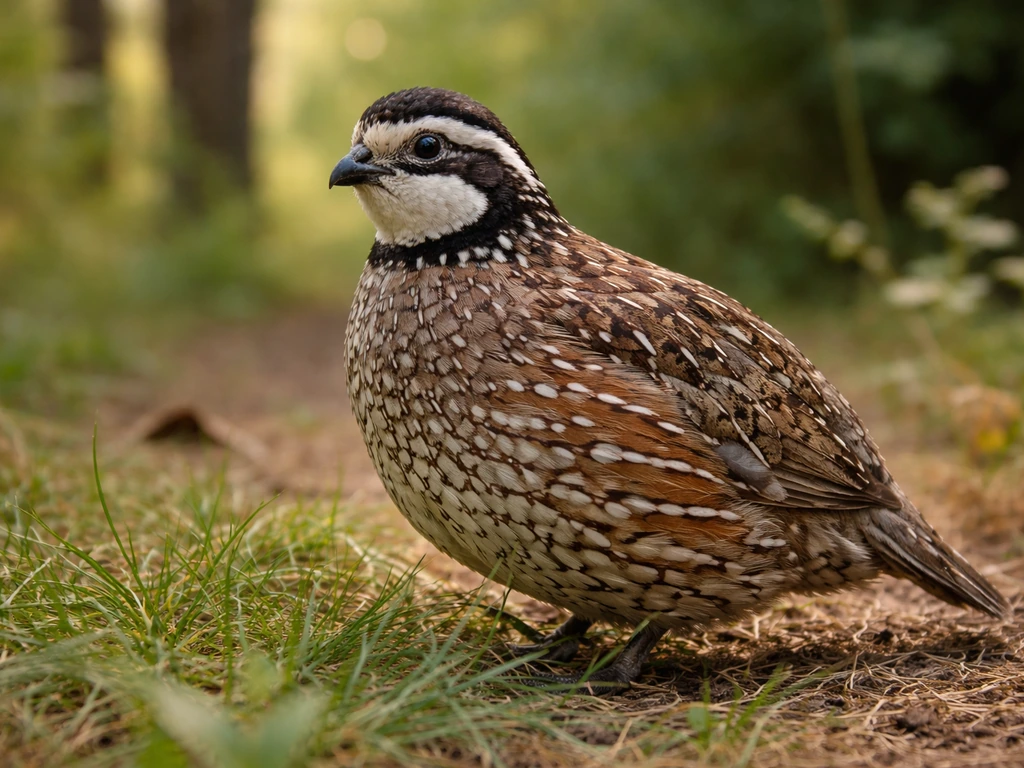
Bobwhite Quail
Bobwhites are small, chunky, round-bodied birds about the size of a large orange. The male has a bold white stripe above the eye and a white throat patch, with a dark brown cap on the head. The body is reddish-brown with streaked black-and-white patterning on the sides and back. Females look similar but swap the white facial markings for buff-yellow ones. You'll usually see them in small groups (called coveys) moving through low brush or field edges. Their body shape is almost spherical when they're at rest, and they tend to run before they fly.
Ruffed Grouse
Ruffed Grouse are noticeably bigger, roughly the size of a small chicken. They come in two color phases: brown and gray, with the brown form more common in southern areas and gray more common in the north. Look for a barred pattern across the chest, a subtle crest on the head, and a fan-shaped tail with a dark band near the tip.
When you inspect the bird’s chest, focus on the color, patterning, and how those markings transition from the throat to the belly bird chest look like. The "ruff" that gives them their name is a patch of dark feathers on each side of the neck that the male flares out during display. They blend almost perfectly into the forest floor, which is why they seem to appear out of nowhere.
Ring-necked Pheasant
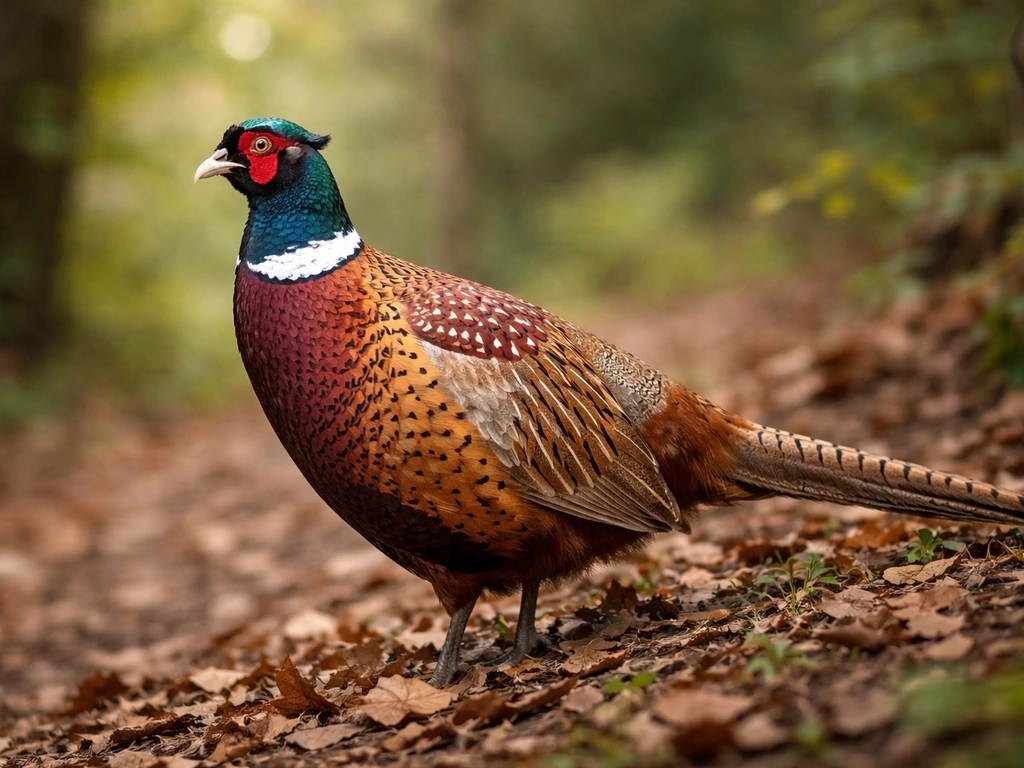
The male Pheasant is hard to miss: iridescent green-blue head, bright red facial wattle, a white ring around the neck, and a long, pointed tail. The body is rich copper-brown with black scaling. Females are streaky brown overall, much more camouflaged, and about the same size as a small domestic chicken. Pheasants are upland birds that spend most of their time walking through tall grass, crops, and brush edges. Their long tails are one of the easiest shape cues to catch even at a distance.
Birds that look similar and how to tell them apart
These game birds get mixed up with a few other species, especially if you only get a quick look. Here's what commonly causes confusion and how to sort it out.
| Bird | Size | Key Visual Trait | Common Lookalike | What Separates Them |
|---|---|---|---|---|
| Bobwhite Quail | Small (robin-sized, rounder) | Bold white/buff facial stripe, round body | California Quail, Scaled Quail | Bobwhite lacks the teardrop head plume of California Quail; Scaled Quail has a fluffy white crest tip |
| Ruffed Grouse | Medium (small chicken) | Barred chest, fan tail with dark band | Spruce Grouse, Sharp-tailed Grouse | Ruffed has a crest and boldly banded tail; Spruce Grouse male is darker overall; Sharp-tailed has a pointed tail |
| Ring-necked Pheasant | Large, long-tailed | White neck ring, iridescent green head (male) | Wild Turkey (female), Prairie Chicken | Pheasant's long pointed tail is distinctive; Wild Turkey female is much larger and darker; Prairie Chicken has a shorter, rounder tail |
One bird that surprises people is the American Woodcock, which hunts earthworms in wet thickets and has an unusual chunky silhouette with a very long straight bill. It's not technically an upland game bird in the same category, but it does get flushed by bird dogs and can confuse people who are new to field identification. If you saw a round brown bird with a comically long beak probing soft ground, that's your Woodcock.
Your step-by-step ID workflow in the field
Whether you spotted one of these birds on a walk or flushed one unexpectedly, run through these checks in order. You usually only have a few seconds, so knowing what to prioritize matters. A quick way to picture what you saw is to understand what bird vision looks like, including how sharp they are at seeing motion and details.
- Size first: Is it sparrow-small, robin-sized, or closer to a chicken? Size is the fastest filter. Bobwhites are compact and small; Pheasants are large and elongated.
- Body shape: Is it round and short-tailed, or long-bodied with a prominent tail? A fan-shaped tail or a long pointed tail narrows it down quickly.
- Head markings: Look for stripes, crests, or colored patches on the face and throat. The bold white stripe on a male Bobwhite is a near-instant ID.
- Overall color and pattern: Is the bird mostly brown and streaked, barred, or does it have solid iridescent patches? Barring runs horizontal across the chest on grouse; streaks are more vertical on quail.
- Behavior: Did it run first, then flush? Was it in a group? Did it "hold" still for a long time before flying? Quail often run in coveys; grouse tend to sit tight and flush explosively.
- Habitat: Were you in dense woods, brushy field edges, tall grass, or wet thickets? Ruffed Grouse favor mature forest; Bobwhites like agricultural edges and hedgerows; Woodcock prefer wet alder thickets.
How to confirm what you saw
The fastest way to confirm is to compare your memory (or a photo) against a reference image. Apps like Merlin Bird ID from the Cornell Lab let you describe what you saw by size, color, and behavior and will return a short list of likely matches with photos. If you need help visualizing what a bird look like, focus on its size, color pattern, and typical behavior.
If you managed to snap a picture, use the photo ID feature in Merlin or iNaturalist, which both handle game birds well. For printed references, the Sibley Guide to Birds and National Geographic Field Guide to Birds of North America are the two most trusted resources and both have detailed visual plates for every species mentioned here.
If you're still not sure after checking photos, ask yourself three narrowing questions: How big was it compared to something familiar (a robin, a crow, a chicken)? What was the most distinctive mark you remember, even a partial one? And where exactly were you, what state or region and what kind of habitat? Those three pieces of information will get you to a confident ID almost every time. Regional range matters a lot with game birds since Bobwhites are mostly an eastern and southern US species, while Ruffed Grouse range much farther north.
If you're curious about bird appearance more broadly, thinking about how birds are built and what their individual features say about their habits is a great way to sharpen your eye. Catbirds look like small, grayish songbirds with dark caps and often a distinctive tail, so matching color and shape is the key. The shape of a bird's chest, the structure of its head, and even the way it holds its body at rest all carry useful ID information, and getting familiar with those cues makes every future sighting faster to sort out.
FAQ
If I heard someone say “bird dog,” am I supposed to identify a bird species?
A “bird dog” is not a bird, it’s a category of hunting dogs (like Pointers and Setters). If you want the term used the way people mean it in a field setting, listen for context such as “points,” “flush,” or “retrieve,” which refer to dog behavior, not an animal you saw.
What does an American Woodcock look like when people confuse it with “bird dog” birds?
Yes, but focus on behavior rather than plumage. A Woodcock typically looks like a round-bodied bird with a very long straight bill used to probe soft ground, and it often disappears quickly into wet thickets. If it looked more like a typical upland game bird (no extreme bill) it was less likely to be a Woodcock.
How can I tell male vs female bobwhite quail quickly in a brief sighting?
Bobwhite quail are usually the most “confusing for size” because they look compact and almost ball-shaped at rest. A practical check is the facial pattern, males have a bold white stripe above the eye and a white throat patch, and females replace those with buff-yellow facial markings.
Do ruffed grouse look different depending on where you are?
Ruffed Grouse have two main color phases, brown and gray. Habitat and geography help, brown is more common in southern areas and gray is more common farther north, but you can still use the barred chest pattern and the fan-shaped tail with a dark band near the tip.
Why are female pheasants harder to identify than males?
Yes. Female pheasants are much more camouflaged than males, so in quick views they can blend into tall grass. The simplest distinction is that males show a bright red facial area plus an iridescent green-blue head and long pointed tail, females are mostly streaky brown.
If a bird flushed quickly, what’s the fastest way to avoid misidentifying it?
Don’t assume “flushed suddenly” means one of the big upland game birds in the list. If the bird’s bill is noticeably very long and straight relative to its body, or it’s probing soft ground, that points to a Woodcock-style silhouette rather than a quail or grouse.
What’s the most common mistake people make when identifying “bird dog” game birds?
Yes, especially if you rely only on color. Game birds can look similar in low light, and motion blur hides key marks like the quail facial stripe, the grouse chest barring, or the pheasant tail shape. If you can’t get crisp color details, prioritize body shape (round quail, chicken-sized grouse, long-tailed pheasant) and the most distinctive structural feature you noticed.
How do I estimate size when I don’t have a clear reference nearby?
Size comparisons help, but use stable reference points. Compare the bird to a nearby object with known scale (a robin is often smaller than people expect, a chicken is a better anchor for grouse), and if you have no reference, use behavior cues like whether it ran before flying (common with bobwhite) versus walking in grass edges (common with pheasants).
When two birds look similar, how should I use geography and habitat to decide?
Range is a tiebreaker, not the starting point. If you’re between likely species, check your state and habitat type, bobwhites are more tied to eastern and southern regions, ruffed grouse more to farther north, and pheasants often occur around edge habitat and tall cover.
What details should I write down immediately after a sighting to help identify it later?
If you don’t have a photo, describe what you remember in order of confidence. Start with the most unique feature (extra-long straight bill, barred chest, quail facial stripe, or long pointed tail), then add body size and movement style. This makes app-style identification and photo comparisons far more accurate.
Next Articles
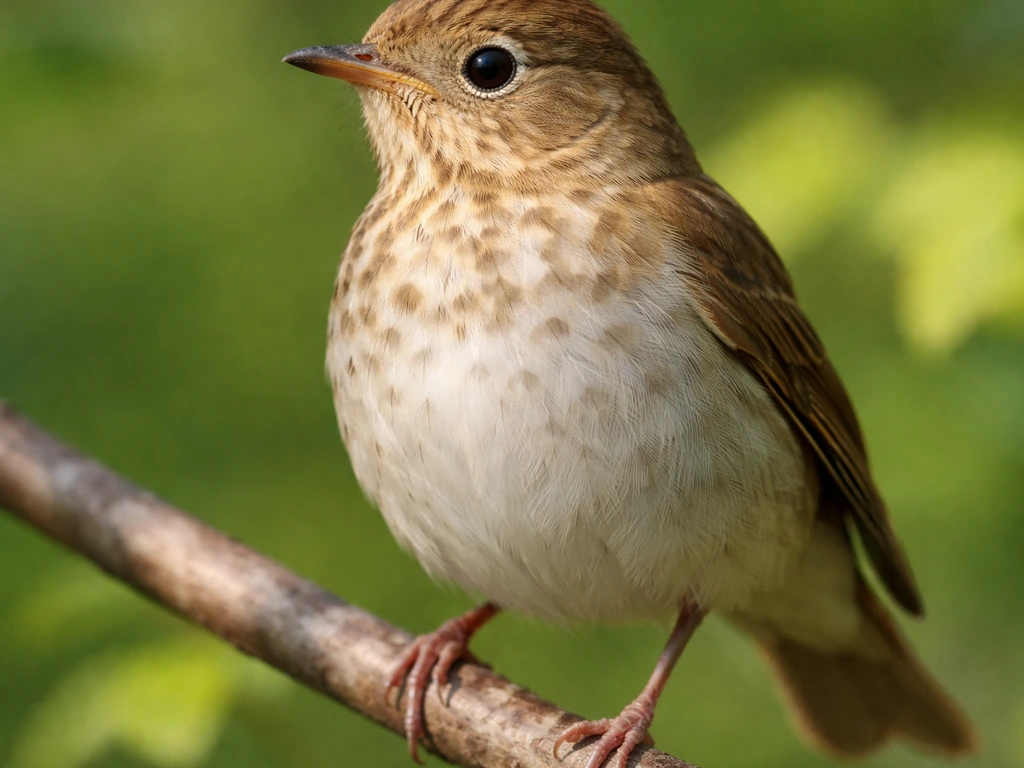
What Does a Bird Chest Look Like? Field Marks Guide
Learn what a bird’s breast/chest looks like: underpart color, patterns, field marks, and how to ID by chest traits.
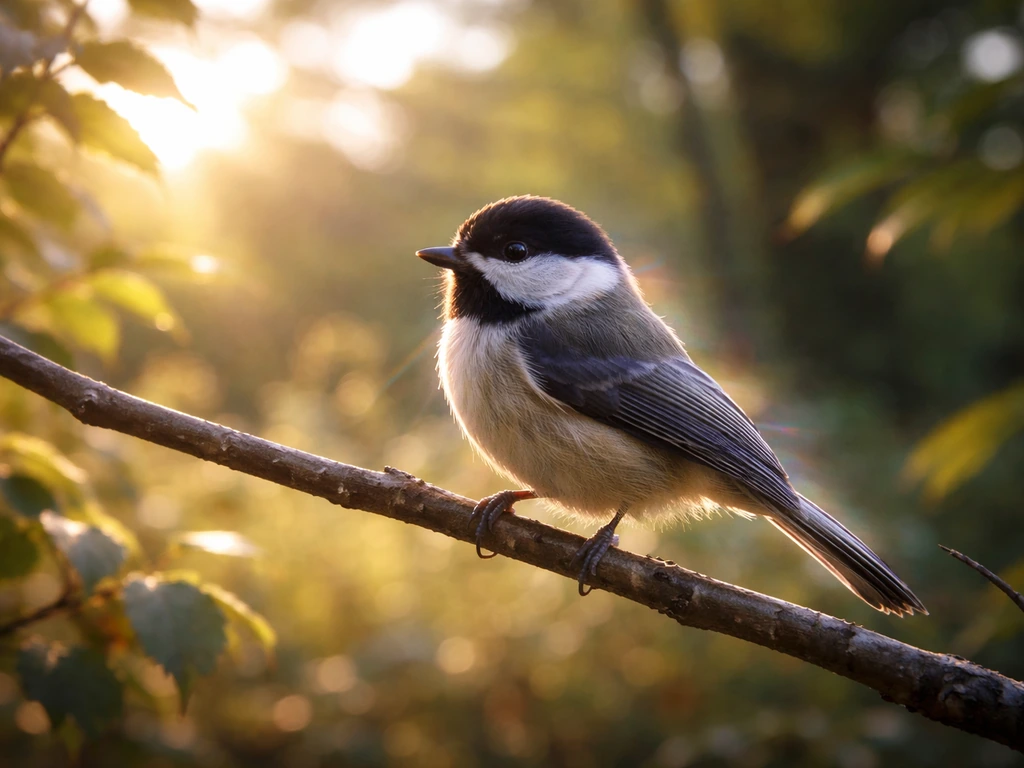
What Does Bird Vision Look Like in the Real World
See how birds perceive color, motion, distance, and contrast in real life, plus tips for better birdwatching.
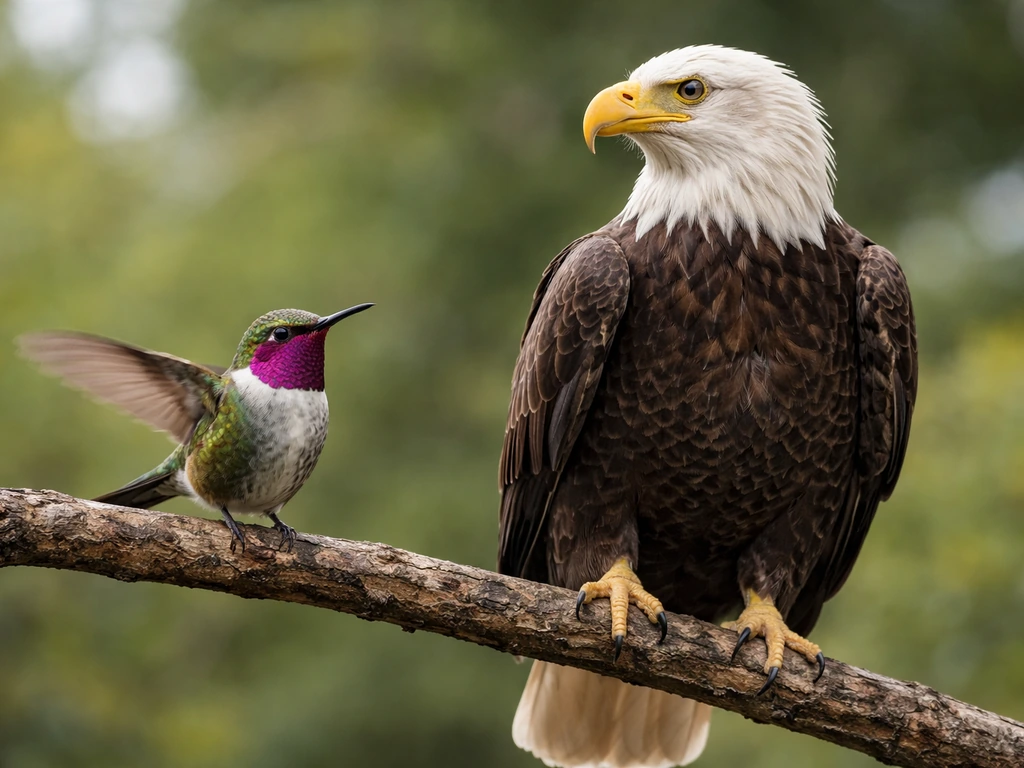
What Does a Bird Look Like? Identify Key Features Fast
Use a quick checklist to identify bird appearance by size, colors, wings, tail, bill, and key distinguishing traits.