A snipe is a compact, football-shaped wading bird with one feature that stops you in your tracks: an absurdly long, straight bill that can make up nearly a quarter of the bird's total length. Think of a bird roughly the size of a starling or a small thrush, maybe 10 to 11 inches from bill tip to tail, but with short greenish-grey legs, a plump brown body, and bold cream-and-black stripes running down the head and back.
What Does a Snipe Bird Look Like? Field ID Checklist

Marcus Whitley
6 Jun 2026
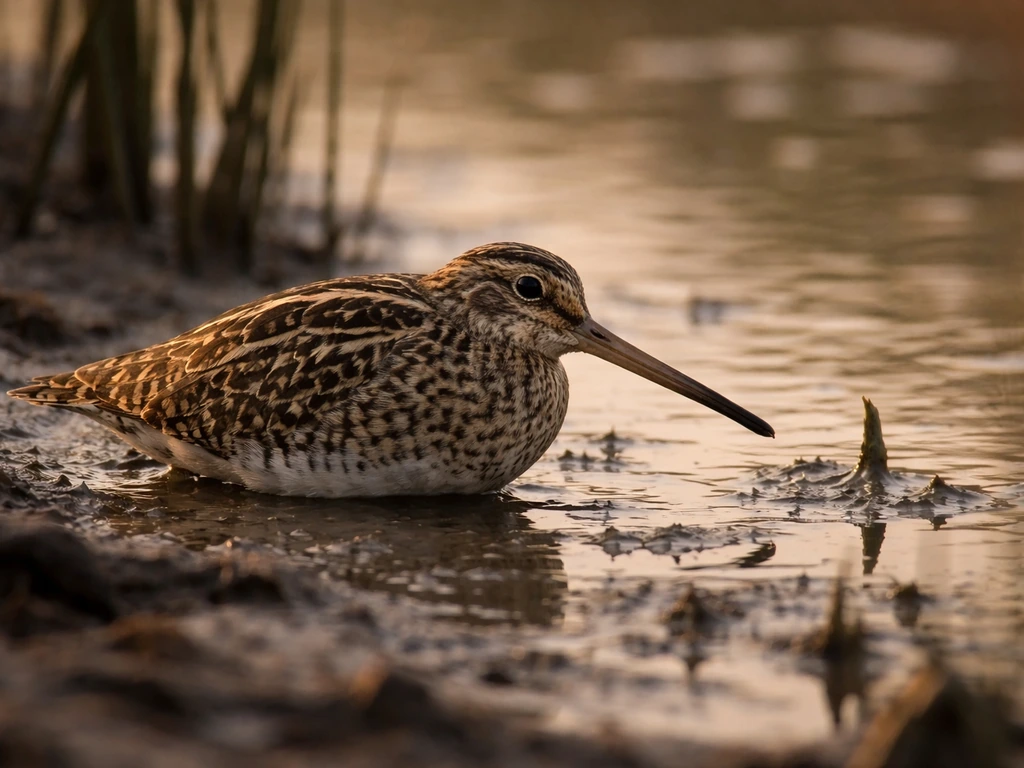
That combination of pudgy silhouette, impossibly long bill, and intricate camouflage patterning is what you're looking for. Snipe (Gallinago spp. ) are described as medium-sized “skulking wading birds” with short legs and long, straight bills, which matches the field description above [Snipe are medium-sized “skulking wading birds” with short legs and long, straight bills](https://www. rspb.
org. uk/birds-and-wildlife/snipe).
Snipe vs. similar birds at a glance
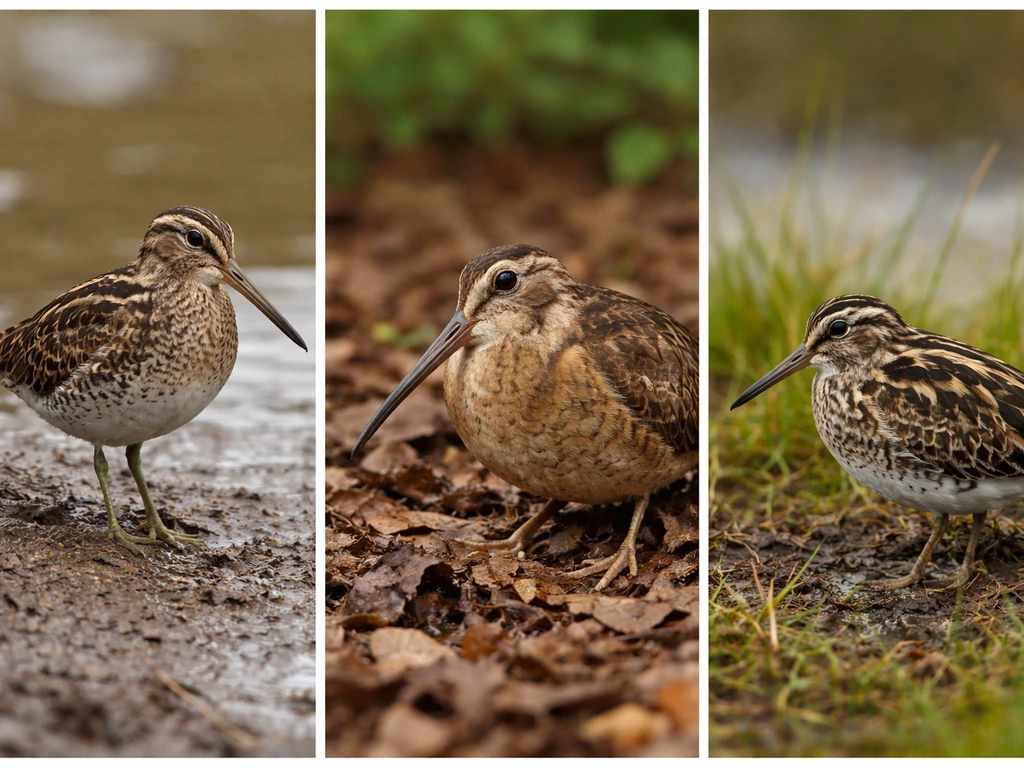
Before diving into the details, it helps to know which birds get confused with snipe most often. The three main mix-up candidates are the American Woodcock, the Jack Snipe, and general sandpipers. Here's the quick version of how they differ.
| Feature | Common/Wilson's Snipe | American Woodcock | Jack Snipe | Sandpipers (general) |
|---|---|---|---|---|
| Body shape | Plump, squat | Very round, almost no neck | Smaller, very compact | Slender, upright |
| Bill length | Very long, straight | Very long, straight | Long but shorter than snipe | Varies; usually shorter |
| Head stripes | Bold cream and dark stripes | No prominent stripes | Bright buff stripes, very vivid | Usually plain or finely marked |
| Belly color | White with barring | Plain orange-buff | Whitish with streaks | Usually pale or white |
| Leg color | Short, greenish-grey | Short, pinkish | Pale greenish | Longer, variable |
| Flight style | Fast, erratic, zigzagging | Low, rounded wings, slow | Bouncy, rises reluctantly | Usually direct and smooth |
The key takeaway: if you see bold stripes on the head and back combined with that long bill and a plump body, you're almost certainly looking at a snipe rather than a woodcock or a sandpiper.
Size, shape, bill, and posture: the core field marks
When you get your first look at a snipe, size alone won't save you. At 10 to 11 inches, they're bigger than most sandpipers but smaller than a woodcock. What really locks in the ID is the overall body shape combined with the bill. The body is genuinely pudgy and round, sitting low on very short legs, which gives the bird a hunkered-down, almost neckless look. Then the bill shoots out from that stocky body like a probe, about 2 inches long on its own, straight as a ruler, and dark in color. That contrast between the squat body and the dramatic bill is the silhouette you want burned into your brain.
In terms of posture, snipe tend to crouch and lean forward rather than standing upright like a typical shorebird. They press themselves close to vegetation and the ground, which is part of how their camouflage works. You're not going to see a snipe standing tall and alert on an open mudflat the way you might see a sandpiper. When you do spot one, it usually looks like it's trying hard not to be spotted. A sleeping bird can look even more cryptic, so focus on the stillness, low posture, and the long bill and head stripes when it settles sleeping birds look cryptic.
Plumage patterns: common snipe, Wilson's snipe, and the lookalikes
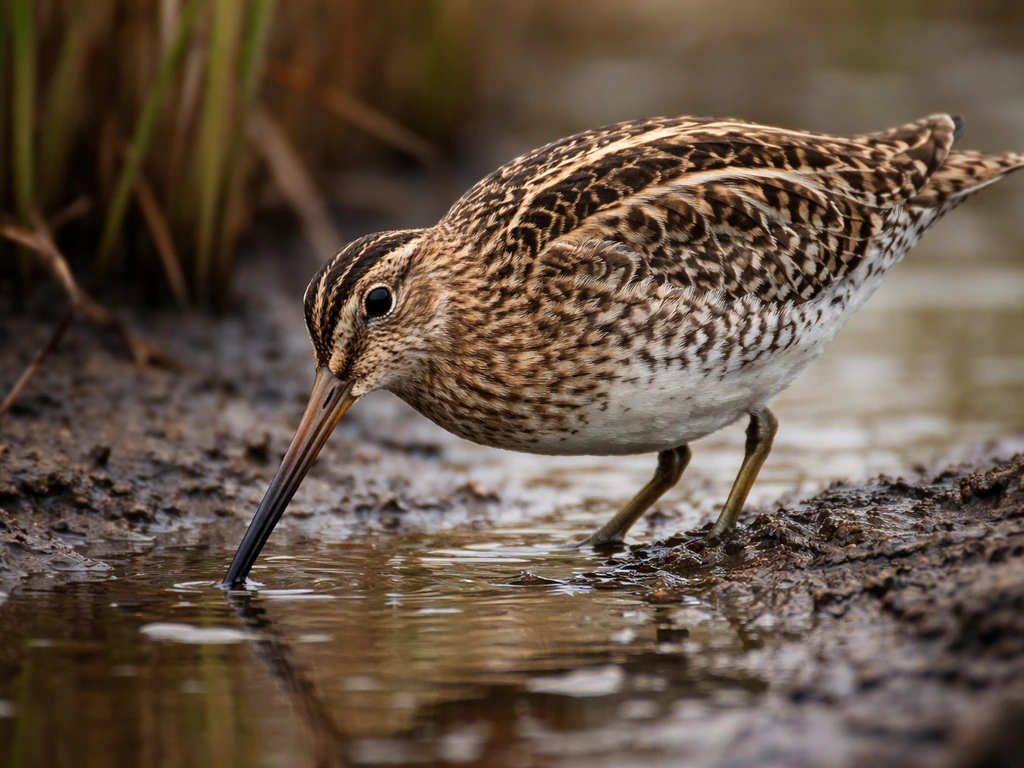
The plumage is genuinely beautiful once you get a close look, even if its purpose is to make you miss the bird entirely. The overall color palette is buff, cream, brown, black, and white, layered into a rich streaked and barred pattern that mimics dead grass and marsh vegetation almost perfectly. If you're also wondering what a nightingale looks like, its plumage and overall body shape are quite different from snipe, so it helps to compare the key field marks side by side what does a nightingale bird look like.
Common Snipe and Wilson's Snipe
Common Snipe and Wilson's Snipe look nearly identical to each other, and for most North American birders, Wilson's Snipe is the one you'll encounter. Both have the same essential plumage: heavily streaked brown and buff upperparts with darker brown and black patterning, a white belly, and dark barring across the flanks and chest. Near the tip of the tail, look for a rusty-orange band, which can flash briefly when the bird flushes or fans its tail during display.
One technical difference worth knowing is that Wilson's Snipe has eight pairs of tail feathers compared to the Common Snipe's seven, but you'll almost never be able to count those in the field. The plumage doesn't change much with the seasons, and males, females, and juveniles all look essentially the same, which makes life a little easier.
Jack Snipe
Jack Snipe (mainly a European species) shares the same general pattern but is noticeably smaller and, if anything, even more cryptic. The buff and cream stripes on its back are brighter and more vivid than on Common Snipe, and the mantle feathers extend further over the flight feathers, giving the wing a slightly different look. Jack Snipe also tends to bounce rhythmically while feeding, a quirky habit that sets it apart from Common Snipe once you know to look for it.
American Woodcock (the most common mix-up)
Woodcock lack the bold head and back striping that's central to snipe identification. Their underparts are a plain orange-buff rather than white with barring, and they have a proportionally much larger eye and a bigger, rounder head. If you're looking at a bird with no clear stripes on the crown and a warm rusty belly, you're probably looking at a woodcock, not a snipe.
Start with the face: the head pattern tells you almost everything
Experienced birders will tell you to go straight to the head when you're trying to nail a snipe ID, and they're right. The face and crown of a snipe carry a very distinctive striped pattern that you can spot even in poor light if the bird sits still for a moment.
Look for two pale cream stripes running along the top of the crown, separated by a dark central stripe down the middle of the head. Below that, there's a broad pale supercilium, which is the eyebrow stripe that runs from just behind the bill base, above the eye, and back toward the rear of the head. Below the supercilium is a dark eye stripe that cuts through the eye itself.
Then there's often a pale stripe along the lower face, separating the dark cheek area from the chin. That stack of alternating dark and pale stripes on the head is the fastest way to confirm you've got a snipe and not something else. Woodcock have nothing like it. Most sandpipers don't either.
Tail, legs, and the way they move
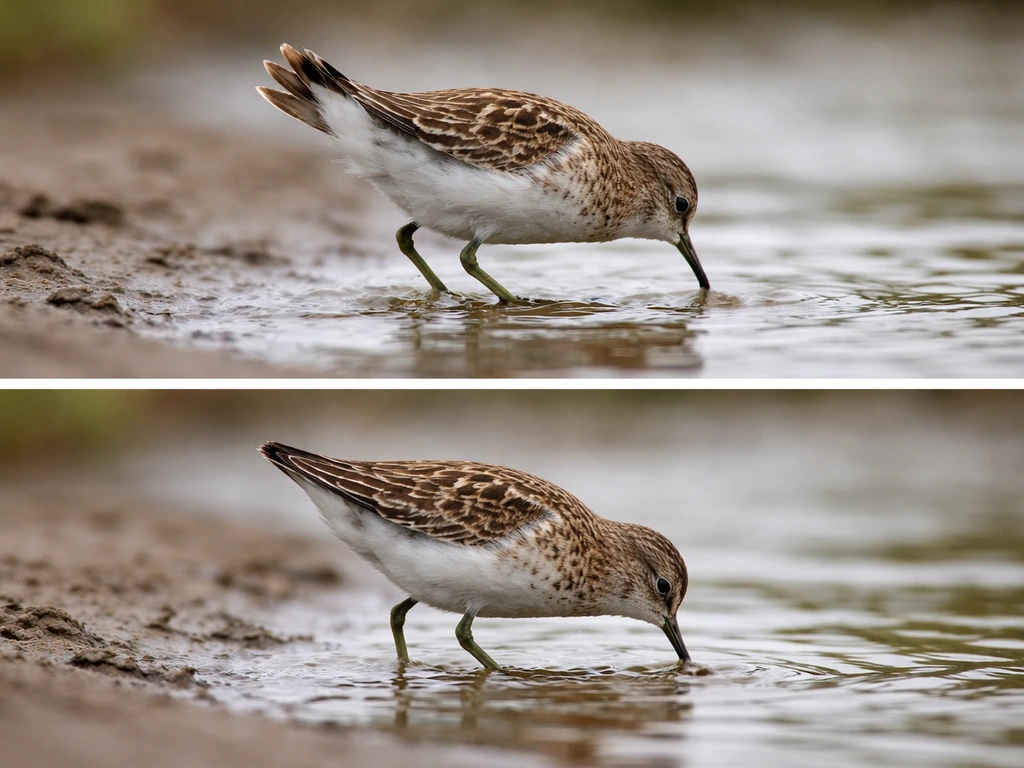
The tail is short and often hidden when the bird is feeding, but it becomes a great ID tool in two situations: when the bird flushes and fans it briefly, or during territorial and aggressive displays on the ground when the bird will crouch, raise, and spread the tail to show off that rusty band near the tip. If you're watching a snipe display and can see the tail fanned out, the warm orange-rusty coloring near the tip is a solid confirming feature.
The legs are short and greenish-grey, which you can sometimes pick up in good light when the bird is wading in shallow water. They look almost too short for the body, and that low-slung, crouching posture is one reason snipe can be so hard to spot among reeds and sedges. When a snipe feeds, it probes the mud repeatedly with that long bill in a rapid, sewing-machine motion, pushing the bill deep into soft ground to feel for invertebrates. The bill is sensitive enough to detect food without the bird even needing to see it, which is why you'll often see a snipe probing in cloudy water or thick mud.
When flushed, snipe are immediately recognizable by their flight: fast, erratic, and zigzagging in a way that few other shorebirds match. They twist and dive unpredictably before usually dropping back down into cover not far away. This jinking flight is a classic snipe behavior cue that can clinch an ID even when you barely got a look at the sitting bird.
Where and when to look
Snipe are birds of wet, boggy, marshy ground. Think shallow wetlands, wet meadows, the muddy margins of ponds, flooded fields, and sedge marshes. They stay tight to vegetation and rarely expose themselves in open areas the way other shorebirds do. If you're scanning a mudflat with a bunch of sandpipers and dunlins, a snipe might be lurking in the reedy edge you barely glanced at.
Seasonally, Common Snipe and Wilson's Snipe are migratory. In North America, Wilson's Snipe breeds in wetlands across the northern states and Canada through spring and summer, then moves south for winter. Migration periods in spring and fall bring them through a much wider range, often turning up in freshwater marshes and wet agricultural fields that are far outside their breeding range. Winter birds are most common in southern states. If you're in the Upper Midwest in late September or October and you flush a small, fast, zigzagging bird from a wet ditch, there's a solid chance it's a Wilson's Snipe passing through.
Getting a photo that actually confirms the ID
Snipe are infuriatingly good at giving you just enough of a look to be confused. Here's how to use your camera or phone effectively if you get a chance. For a quick visual comparison, you can also look up what does a stork bird look like to compare body shape and overall silhouette with other long-billed waders.
- Go for a head-on or three-quarter angle first. The face pattern, including the crown stripes, supercilium, and eye stripe, is your strongest ID feature and reads well from the front.
- Get a side profile if you can. This shows the full bill length, the body shape, the leg length and color, and the overall proportions in one frame.
- If the bird flushes, keep shooting. The flight silhouette (compact body, short tail, long bill) combined with the erratic zigzag pattern can confirm snipe even in a blurry action shot.
- Try to capture the tail, especially if the bird fans it. The rusty band near the tail tip is a strong confirming mark.
- Photograph the back and upperparts in good light. The cream and buff streaking pattern is distinctive, and the contrast between the pale back stripes and dark mantle helps separate snipe from woodcock.
Common misidentification traps to avoid
- Calling it a woodcock: Woodcock are rounder, have no bold head stripes, have a rusty-buff belly (not white), and larger eyes. If the belly is warm orange and the head looks plain, it's probably a woodcock.
- Confusing it with a dowitcher: Dowitchers also probe with long bills, but they're more upright, slender, and often found in more open water. They lack the bold head striping and have a very different body shape.
- Lighting and mud: Snipe covered in mud can look much darker or plainer than they really are. Get multiple angles before deciding the plumage doesn't match.
- Assuming it's common when it might be Jack: In Europe especially, Jack Snipe are sometimes dismissed as Common Snipe. Jack Snipe are smaller, have brighter buff back stripes, and flush much more reluctantly, often sitting still until you're almost stepping on them.
- Mistaking the flight for a woodcock flush: Woodcock flight is slower, lower, and more rounded-winged. Snipe are noticeably faster and more erratic in the air.
If you're building your bird identification skills more broadly, the same head-pattern approach that works so well for snipe applies to many other species too. A nestling bird can look very different from an adult, with softer, less defined markings and a body shape that can be surprisingly bulky compared with its head what a nestling bird looks like. Carefully noting face stripes, eyebrow lines, and crown markings is one of the most transferable skills in bird ID, whether you're looking at a nightingale in a thicket or a starling in a flock. The more you practice reading faces, the faster the whole process gets.
FAQ
What does a snipe look like when it is flying away, and can you identify it from that brief moment?
Yes. When flushed, a snipe typically gives fast, erratic, zigzag flight with sudden twists and dives, then drops back into nearby cover rather than continuing in a straight line. The best “from a distance” clue is that jinking flight pattern combined with the impression of a small, compact body rather than the long, slender look of many other waders.
Are snipe ever pale or white, and what would that mean for identification?
They usually do not look bright white overall. Snipe plumage is more buff, cream, brown, and black, with streaking and barring, plus a white belly. If a bird appears mostly uniform pale without the head-and-back striping pattern (or the long straight bill silhouette), it is more likely another wader or a different species rather than a snipe.
How long should the bill seem, and does it ever look shorter in the field?
The bill is the signature feature, often looking like it forms nearly a quarter of the bird’s total length. It can look shorter if the bird is partially hidden in reeds, holds the bill angled, or is seen only from certain angles. Even then, you should still notice a straight, probe-like bill extending well beyond the face, plus the squat, crouched body.
Do juvenile snipe look the same as adults?
They are generally very similar in overall appearance, since season and sex do not drastically change the core patterning. The most practical difference is that juveniles still keep the same basic camouflage style, so your identification should still rely on the head stripe “stack” and the overall hunkered posture rather than expecting obvious age-based color changes.
What if I cannot see the tail or bill, can I still confirm a snipe?
You can often get close without the tail. The head pattern is the fastest reliable field mark, especially the two pale crown stripes separated by a darker line, plus the supercilium (eyebrow stripe) and the dark eye stripe. If those face stripes are present and the bird remains low and crouched in vegetation, that can outweigh missing tail or bill details.
How do I tell a snipe from a sandpiper when the bird is just a blur?
Use behavior and silhouette. A snipe tends to crouch and lean forward, staying tight to vegetation, and its flush flight is fast and jinking. Many sandpipers look more upright and tend to show a smoother, more consistent flight path. If the bird repeatedly gives a zigzag, erratic escape and reappears near cover, that strongly supports snipe.
Can I rely on the rusty-orange band near the tail tip for identification?
It is helpful when visible, but it is not always seen. The band may only flash briefly when the bird fans its tail during displays or when it flushes and the tail is exposed. Treat it as a confirming clue, not the primary one, and prioritize the head striping plus the long straight bill.
Why do snipe look so hard to spot in marshes, and what’s the best way to search?
Their low, crouched posture and dead-grass camouflage make them blend into reeds and sedges, and they often stay still until close range. Instead of scanning open mud, focus along dense vegetation edges, look for still “hunkered” shapes, and watch for the long bill silhouette or the head striping when the bird adjusts or probes.
Next Articles
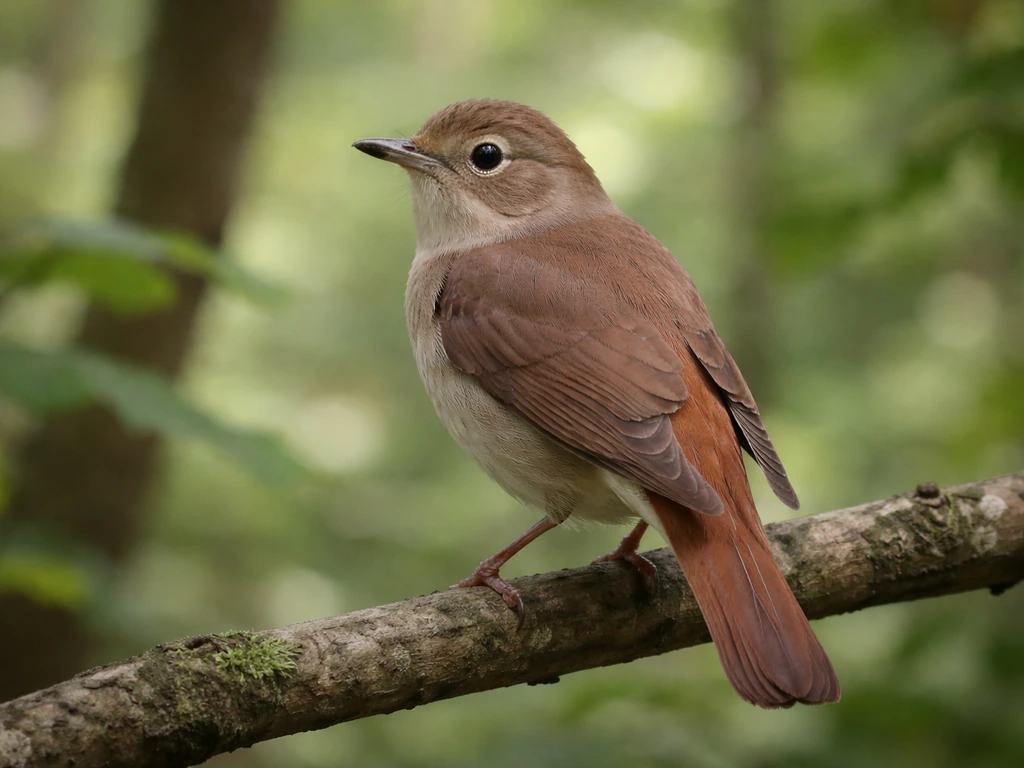
What Does a Nightingale Bird Look Like? Field Guide
See nightingale field marks: size, brown plumage, head pattern, wings, tail, and tips to spot look-alikes.
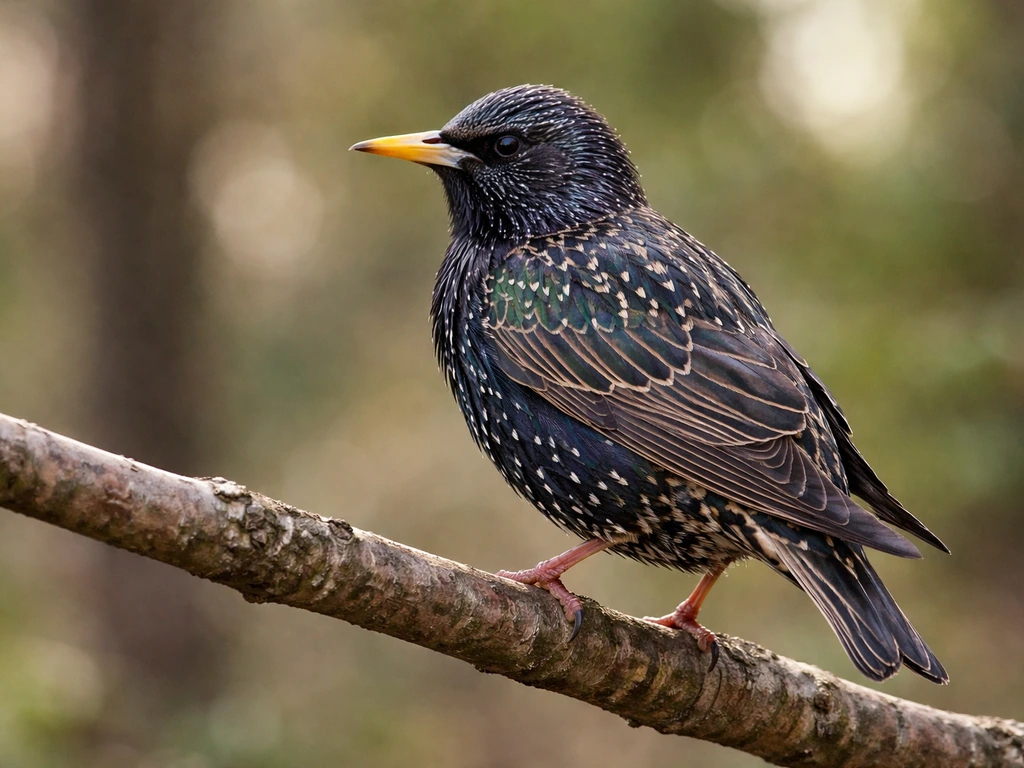
What Does a Starling Bird Look Like? Key ID Features
See starling ID features: glossy dark plumage, speckled patterns, bill shape, legs and tail marks plus lookalikes.
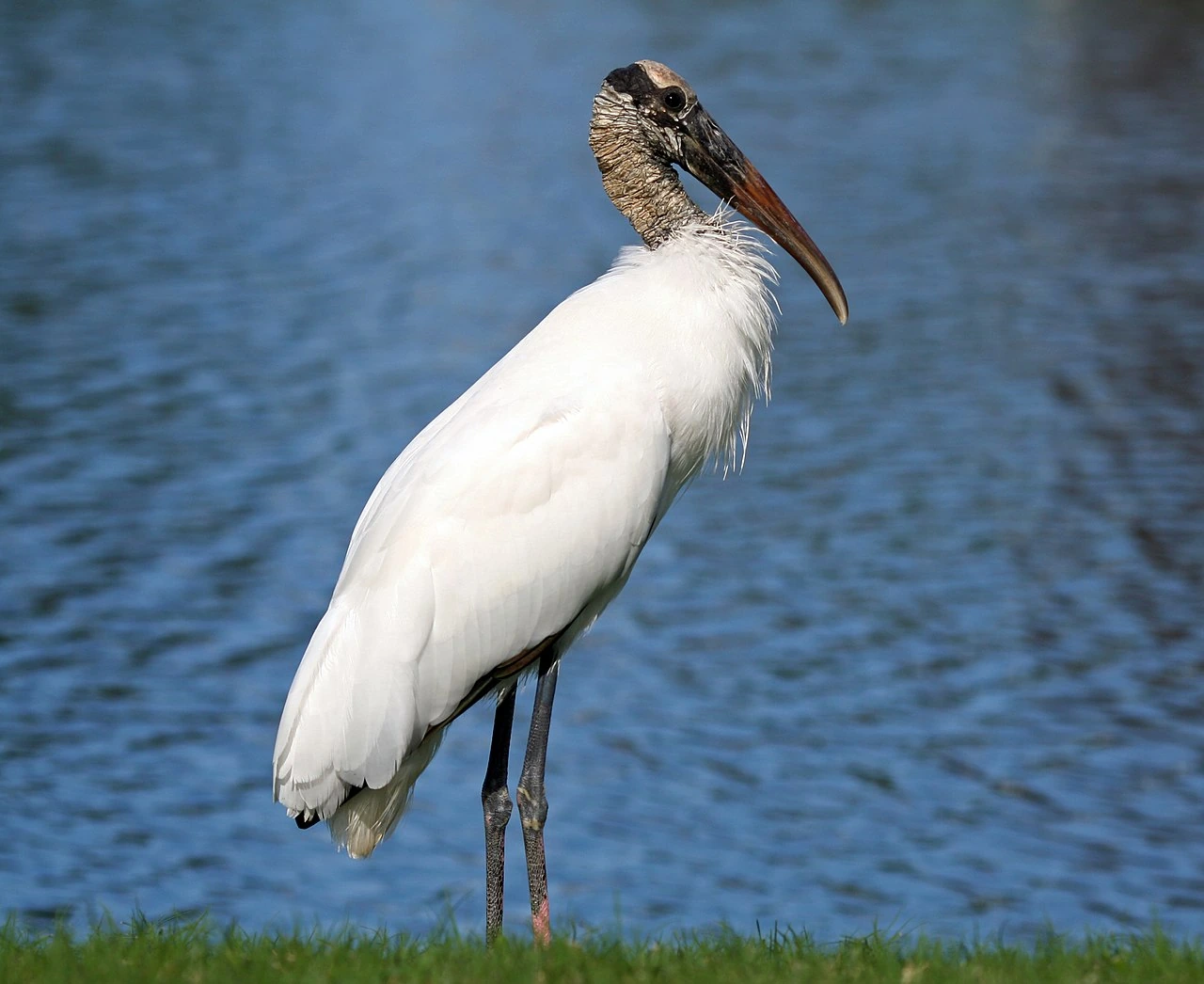
What Does a Stork Bird Look Like? Identification Guide
Identify storks by neck, bill, legs, plumage and compare lookalikes like herons, cranes and ibises with field checklist.