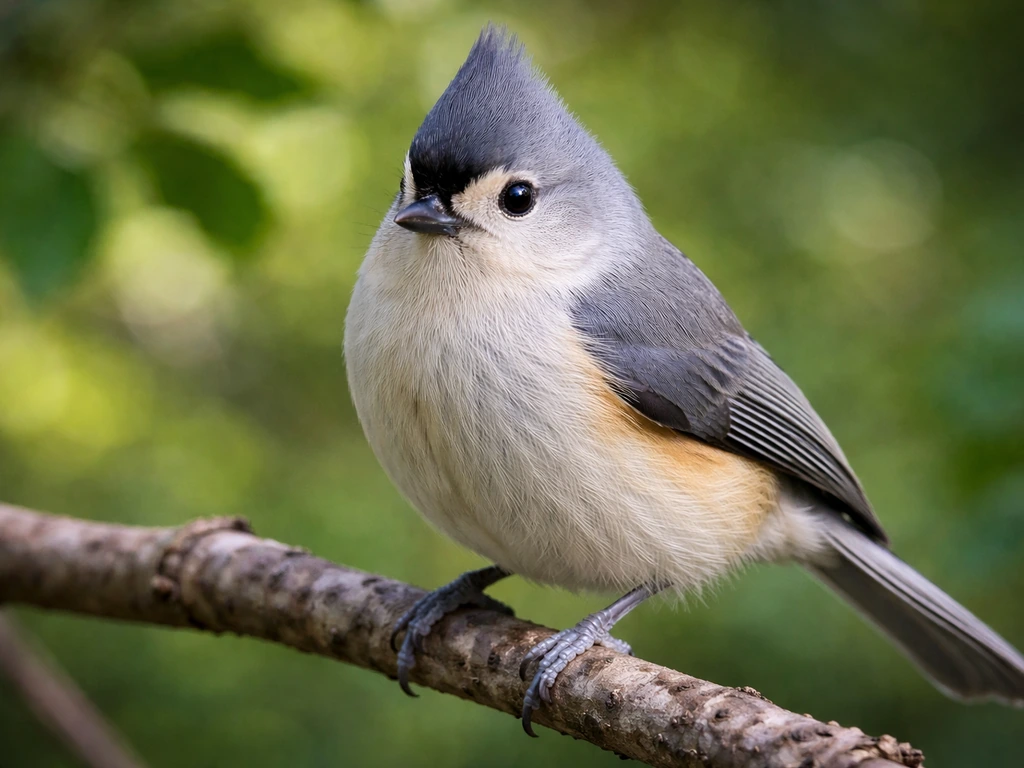
Terns are slender, graceful seabirds with long pointed wings, deeply forked tails, and sharp, dagger-like bills. Picture something like a gull, but leaner, more angular, and built for speed rather than bulk. If you are trying to identify a tufted titmouse look-alike without the tuft, start by comparing the head shape and overall size before you assume it is a different species of songbird twitch like a gull.
What Does a Tern Bird Look Like A Field Guide

Marcus Whitley
4 Jun 2026
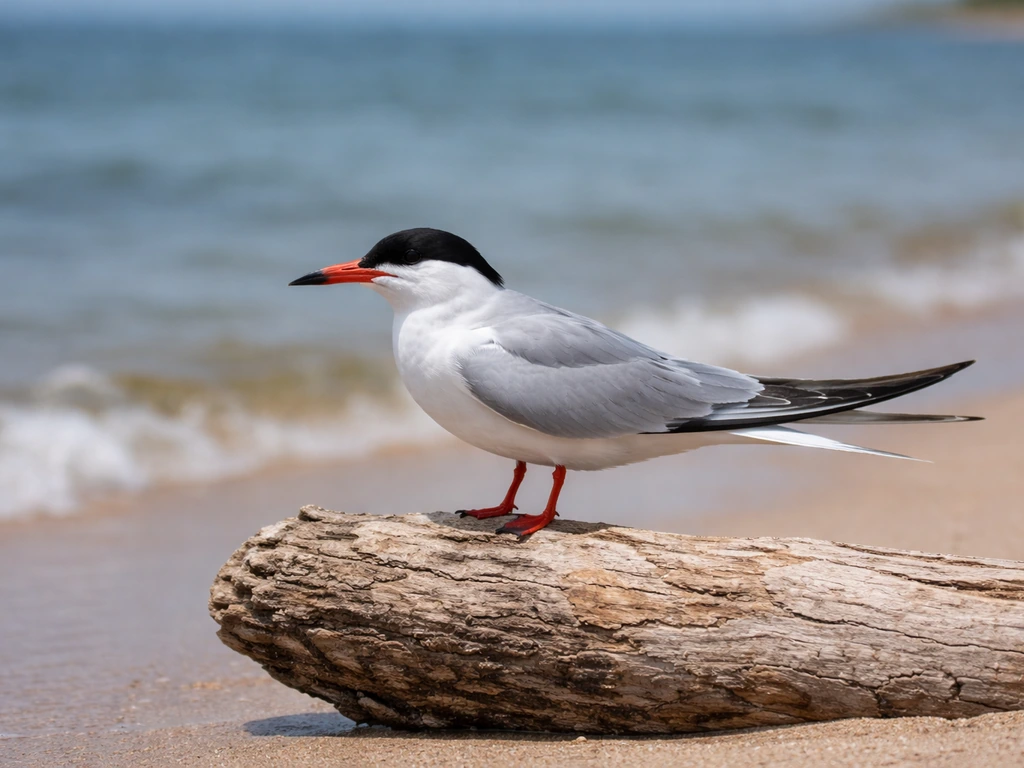
Most terns you'll encounter are pale gray above and white below, with a bold black cap on the head during breeding season. That forked tail is the single biggest giveaway: if the bird you're watching has a noticeably split, swallow-like tail and dives headfirst into water, you're almost certainly looking at a tern.
Quick identification: what makes a tern look like a tern
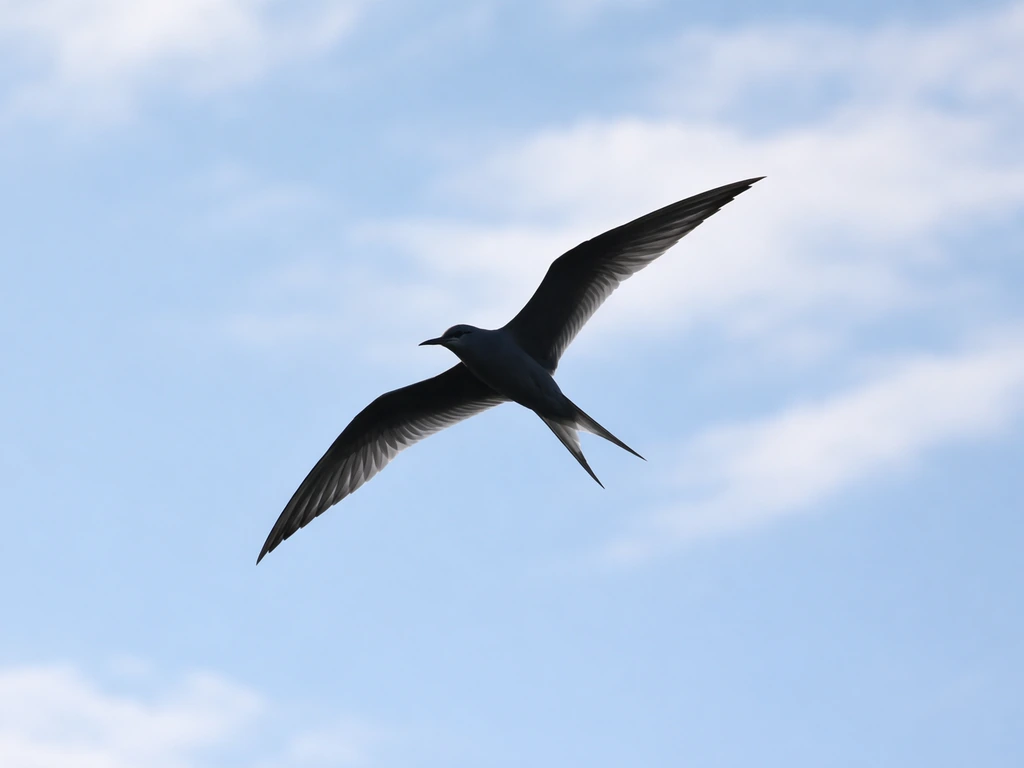
The overall impression of a tern in flight is light, airy, and angular. They don't lumber through the air the way gulls do. Their wings are narrow and pointed, their bodies are slim, and they hold their bills angled slightly downward, giving them a purposeful, hunting posture. That combination of a forked tail, pointed wings, and a downward-tilted bill is really the tern's signature look. You'd notice it immediately if you've spent time watching gulls and then a tern sails past, it's a noticeably different silhouette.
Most terns are also surprisingly small. Even a Common Tern, which is one of the more widespread species you might see in North America or Europe, is noticeably smaller and more delicate than the average gull. Their legs are short, so on the ground they look a little hunched. In the air, though, they look effortless.
Key field marks: size, shape, bill, and wings
When you're trying to lock down a tern ID, these are the features worth focusing on first:
- Tail: Deeply forked, like a swallow's tail but more pronounced. On a breeding adult Common Tern, the long outer tail feathers (called streamers) can cross over each other when the bird is perched. In flight, look for the tail notch — it's usually obvious.
- Wings: Long, narrow, and pointed. In flight, the wingtips often reach about as far back as the tip of the forked tail. You'll see a gentle, buoyant flap rather than a heavy wingbeat.
- Bill: Slender and sharply pointed, like a thin spike. On a Common Tern, it's orange-red with a black tip during breeding season. The bill is almost always held pointed slightly downward in flight — that angled head posture is a great quick tell.
- Size: Most common terns are roughly the size of a small gull or large pigeon, but much more lightly built. The Least Tern is notably tiny — about the size of a large swallow.
- Head: A bold black cap covering the top of the head and back down to the nape. In breeding plumage this cap is crisp and clean. Outside breeding season it can look patchy or reduced.
- Body: Pale gray on the back and upper wings, white underneath. The contrast between the gray upperparts and white underparts is usually clean and easy to see.
One thing beginners sometimes miss is the wing pattern. On a Common Tern in good light, you'll see a darker wedge or dark trailing edge on the outer primary feathers (the outermost wing feathers). This gets more pronounced as the season goes on and feathers wear down. It's a subtle but useful detail when you're trying to separate similar species.
Plumage details by age and season
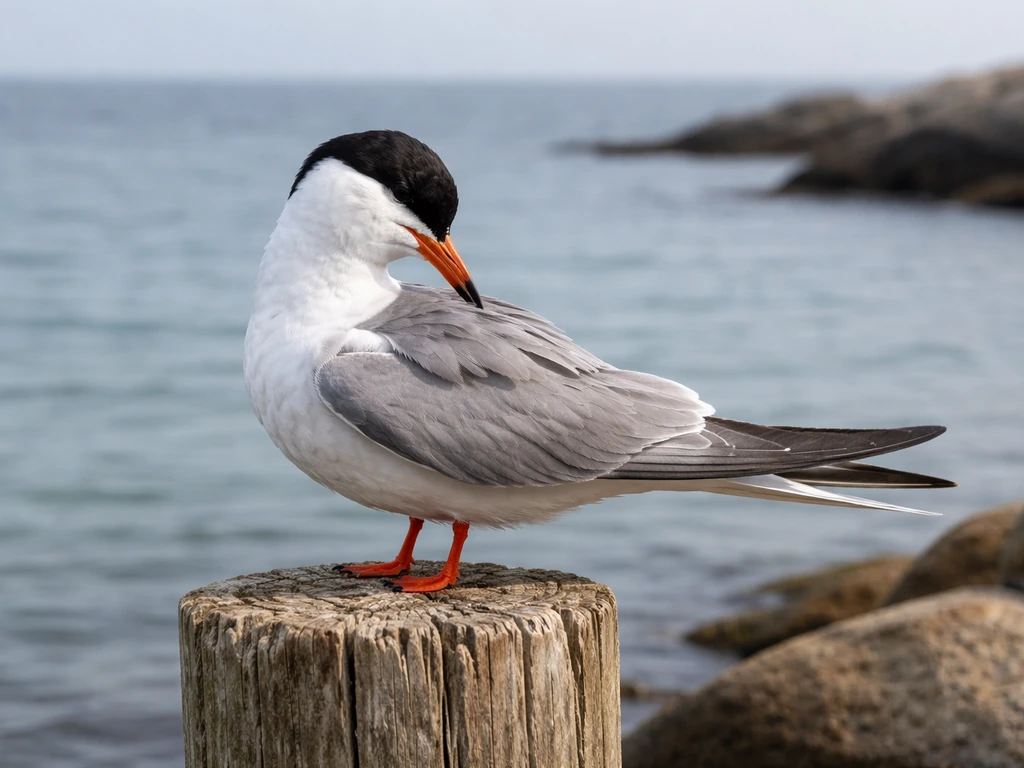
This is where tern ID trips up a lot of beginners, because terns look quite different depending on their age and the time of year. Understanding these changes will save you a lot of confusion. Birds without feathers still keep the same basic structure and proportions, so you can often identify them by silhouette, bill shape, and tail shape. Towhees are a very different group of birds, so if you're wondering what a towhee bird looks like, focus on their body shape and distinctive markings what does a towhee bird look like.
Breeding adults (spring and summer)
This is the classic look most field guides show. If you're also trying to identify a different backyard species, you can compare these tern features with what a titmouse bird looks like what does a titmouse bird look like. Adults in breeding plumage have a sharp, solid black cap, a bright bill (orange-red on Common Terns), clean pale gray upperparts, and white underparts. The tail streamers are long and the forked tail is at its most dramatic. This is the easiest time to identify them confidently.
Non-breeding adults (fall and winter)
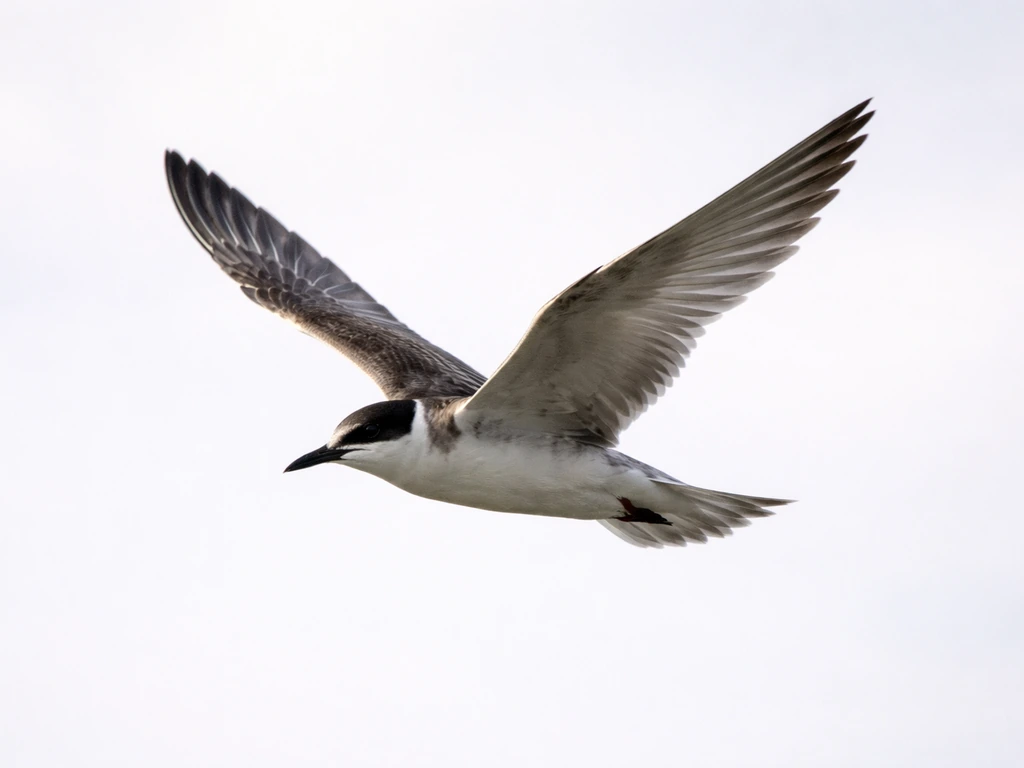
Outside of breeding season, adult terns lose that crisp black cap. The forehead goes white, and the black is reduced to a dark smudge or patch behind the eye and around the back of the head. The bill can also fade or darken. If you see a tern in winter and it looks like the cap is missing, this is why, it's still a tern, just in its off-season look. The body shape and forked tail remain, so focus on structure rather than color in these cases. If you mean “what does a TUI bird look like” specifically, it helps to compare its size, bill, and overall plumage to the tern features described here.
Juveniles and immature birds
Young terns look noticeably different from adults, and this catches a lot of people off guard. Juvenile Common Terns appear darker overall in flight, with more black in the wings and tail. They lack the long tail streamers of breeding adults, so the forked tail looks less dramatic. The bill is usually duller, more dark or orange-brown rather than bright red.
Some species, like Forster's Tern, can take up to three years to reach full adult plumage, meaning you might see first- or second-year birds that look like a confusing mix of adult and juvenile features. If a tern looks generally right in shape but the colors seem muted or patchy, it's probably a young bird. Juvenile/immature Least Terns show [a small smudgy black patch behind the eye and a dark bill](https://www. allaboutbirds.
org/guide/Least_Tern/id) unlike adults, while still having yellow legs.
Seasonal wear matters more than you'd think
Even within a single breeding season, a Common Tern's wing pattern can change as feathers wear down. By late summer, the outer wing feathers are often more extensively dark than they were in spring. So a photo taken in May and one taken in August of the same species can look noticeably different. When you're comparing your photo to a field guide, check whether the photo was taken early or late in the season, it can make a real difference.
Most common tern look-alikes and how to tell them apart
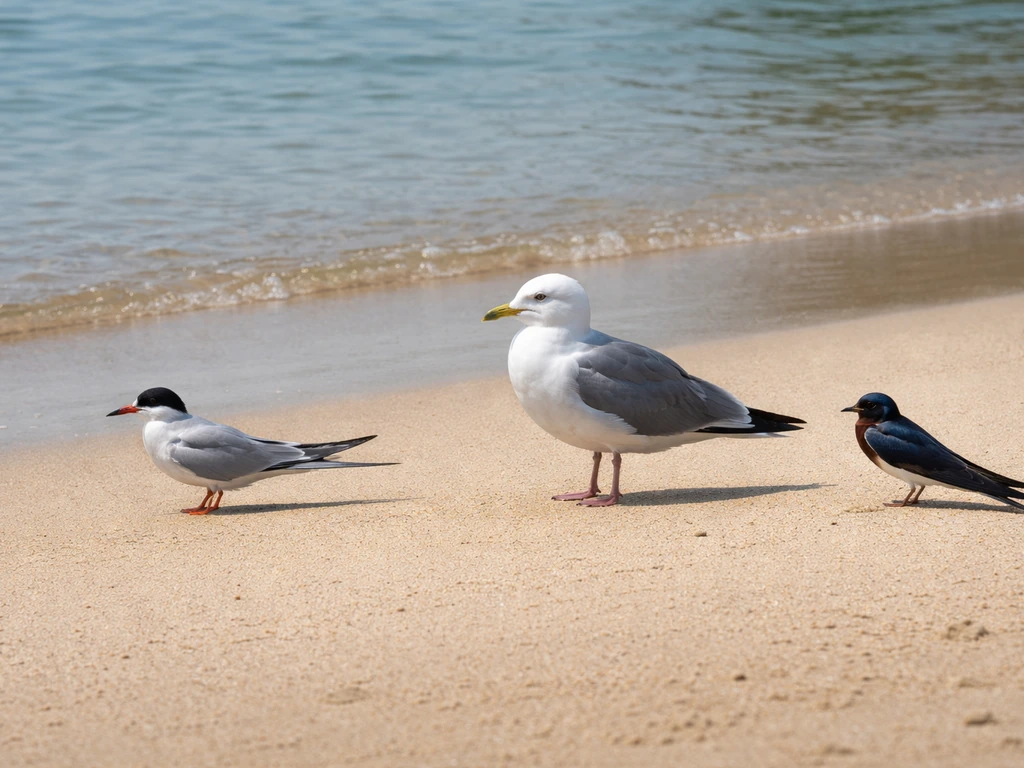
Terns are their own distinct group, but a few other birds get confused with them regularly. Here's a quick rundown of the most common mix-ups:
| Bird | Key difference from terns | Quick tell |
|---|---|---|
| Gulls | Broader, heavier body; rounded or squared tail, not forked; thicker bill | Gulls look bulky and flat-winged; terns look slim and angular |
| Arctic Tern | Shorter legs, shorter bill, and grayer underparts than Common Tern | Arctic Tern looks smaller-headed and paler below; Common Tern has longer legs visible when perched |
| Forster's Tern | Similar to Common Tern but has paler, frosty-white outer primaries instead of a dark wedge; non-breeding birds show a distinct black eye patch, not a full cap | Look at the wingtip: Forster's looks silvery-white on top, Common looks darker |
| Least Tern | Much smaller than any other common tern, about swallow-sized; yellow-orange bill with black tip; yellow legs | If it looks tiny and barely bigger than a sparrow with a yellow bill, it's a Least Tern |
| Black Skimmer | Tern-like body but with a massive, uneven bill where the lower mandible is much longer than the upper; flies low skimming the water surface | That oversized, mismatched bill is unmistakable — no tern has anything like it |
The Common vs Forster's comparison is probably the trickiest for beginners in North America, since the two species share the same habitat and look very similar in many plumages. The key is the wingtip: Forster's has silvery-white upper surfaces on those outer primaries, making the wingtip look paler than the rest of the wing. Common Tern shows the opposite, a darker wedge on the outer primaries. In non-breeding plumage, Forster's also tends to show a clean, defined black eye patch rather than the more extensive dark mask of a non-breeding Common Tern.
Where to spot them and behavior cues that help with ID
Knowing where a tern is likely to be, and what it's doing, is almost as useful as knowing what it looks like. Terns are almost always near water, coastal beaches, bays, estuaries, rivers, and large lakes. Common Terns breed along coastlines and large inland bodies of water, foraging by plunge-diving headfirst into the water to catch small fish. You'll often see them hovering briefly over the water before dropping down, sometimes barely breaking the surface, other times going in completely.
The Least Tern is particularly distinctive in its foraging style, it hovers low and fast over shallow water with rapid wingbeats before a quick, shallow dive. It can also dip to pluck prey right from the surface without fully diving. If you see a tiny, pale bird doing rapid hovering over shallow coastal water and then darting down, it's almost certainly a Least Tern.
Forster's Terns are a bit more flexible in habitat, you'll find them over marshes and inland wetlands as well as coasts. Arctic Terns, on the other hand, are serious ocean travelers and you're most likely to see them in coastal areas during migration. Knowing which species are expected in your region at a given time of year narrows things down a lot before you even look at the bird closely.
When terns are perched on a beach or dock, notice how they hold themselves: short-legged and a little hunkered, with bills often pointing outward or slightly up. They're alert and will take off quickly. A tern in an aggressive or defensive posture often drops its wings and tilts its head down, a bent, forward-leaning stance that's actually a useful behavioral marker in photos if you can see it.
How to use photos to confirm you've got the right tern
Got a photo and want to nail down the ID? Work through it step by step rather than jumping straight to color details.
- Check the overall shape first. Is the bird slim and angular with a forked tail and pointed wings? If yes, you're in tern territory. If the tail is rounded or square, you might be looking at a gull.
- Look at the bill. Is it long, thin, and sharp? What color is it? An orange-red bill with a black tip points strongly to a Common Tern in breeding plumage. A yellow-orange bill suggests Least Tern. A dark or black bill could mean a non-breeding adult or a juvenile.
- Examine the head markings. Is there a full black cap, a partial cap, or just a dark patch behind the eye? A full solid black cap means breeding adult. A patchy or reduced cap means non-breeding adult or juvenile.
- Assess the wingtip pattern. In flight photos, look at the top surface of the outer wing feathers. Are they darker than the rest of the wing (Common Tern) or silvery-pale and almost frosted-looking (Forster's Tern)?
- Check the tail fork. Is it deeply split with long streamers, or is the fork shallower? Long streamers = breeding adult. Short or absent streamers = juvenile or non-breeding bird.
- Consider the time of year and location. A tern photo taken in winter will show different plumage than a spring photo of the same species. Cross-reference the season with what you're seeing — a pale, washed-out look with a reduced cap in October is normal for a non-breeding adult.
- Compare the size if other birds are nearby. If there's a gull or a smaller shorebird in the same photo, use it as a reference. A Least Tern next to a gull looks dramatically tiny. A Common Tern looks noticeably smaller and slimmer than most gulls but not as tiny as a Least.
If you're still stuck after going through those steps, check a regional bird app or range map for your area and the time of year. Often only one or two tern species are realistically possible at a given location and season, which makes the final confirmation much easier. For photo ID, the combination of tail shape, bill color, and wingtip pattern will get you to a confident answer in most cases, the other details are there to confirm what those three features are already telling you.
FAQ
If the tern is far away or blurry, what features should I rely on to still recognize it?
Yes, but focus on structure, not just color. Even when plumage is faded, terns still show a slim body, narrow pointed wings, and a clearly forked tail. If the tail split is hard to see, look for the hunting posture (bill angled slightly downward) and the typical headfirst plunge behavior from near water.
Can I identify a tern by bill color alone?
Tern bills are often bright in breeding season, but bill color can vary with age and light. For confirmation, don’t treat bill color as the only clue. Use the forked tail and wing shape first, then compare wingtip pattern and how the bird holds its bill (slightly down-tilted) to narrow it down.
What should I do if the tern I see seems to lack the black head cap?
Usually, but check the species and season. During breeding season many terns have a crisp black cap, while off-season the forehead looks whiter and the black becomes a reduced smudge or patch behind the eye. If the cap seems “missing,” it can still be a tern, so verify with tail shape and overall silhouette rather than assuming it’s another seabird.
How can I tell a young tern from an adult when the colors don’t match field-guide photos?
A juvenile can look darker and less “clean” than adults, often with a less dramatic tail streamer look and more black in the wings and tail. Also, some species take years to reach full adult plumage, so muted or patchy colors can indicate an immature bird even when the overall proportions match a tern.
Why might my photo of a tern not match the wing pattern shown in the guide?
Yes. Wing pattern can shift as feathers wear down, so the same species can look different between spring and late summer. When comparing your photo to a guide, note the month, and prioritize the wingtip wedge or dark trailing edge on the outer primaries over “perfect” color intensity.
What’s the quickest way to tell Common Terns from Forster’s Terns?
Forster’s and Common Terns are the most common confusion, and the wingtip is the deciding clue. Forster’s often shows paler, silvery-looking outer primaries, while Common tends to show a darker outer-primaries wedge. In non-breeding conditions, eye-area pattern can also differ, but wingtip brightness is usually the fastest check.
What if the bird isn’t near water, could it still be a tern?
Less than you might think. Many look similar in basic plumage, but terns are consistently tied to water and typically feed with plunge-dives from hovering. If you’re not near water or the bird isn’t using that headfirst plunge style, consider other groups before committing to tern ID.
How reliable is behavior for identifying a Least Tern?
Often, yes, especially for Least Tern. Least Tern behavior is distinctive: it hovers low and fast over shallow water with rapid wingbeats, then makes a quick shallow dive, sometimes even dipping from the surface. If you see repeated hovering-then-darting dives over shallow coastal water, that behavior can confirm your guess.
What should a perched tern look like, compared with a gull?
Plumage features can be misleading, but posture helps. Perched terns tend to look short-legged and slightly hunched, with alert stance, and they often hold bills pointing outward or slightly up. In defensive or aggressive moments, they may drop wings and tilt the head down, which can be a useful photo clue.
What’s the best order of checks if I’m trying to ID a tern from a photo?
Do this in order: tail shape first (forked and split), then wing silhouette (narrow, pointed wings), then bill angle or posture, then wingtip pattern (outer primaries wedge versus paler wingtip). Save color-based judgments like cap darkness or bill brightness for last, because they change with season and age.
Next Article
What Does a Titmouse Bird Look Like Field Guide
Practical field guide to titmice, including tufted titmouse key marks, size, colors, and look-alikes to confirm ID.